









Gulf AI Ambitions Under Fire Amid Middle East Conflict
 14
14The Gulf’s plan to become a global AI powerhouse is hitting a wall. Conflict in the Middle East turned strategic data centers into war targets. Drone strikes damaged key Amazon Web Services facilities in the UAE. The Strait of Hormuz remains closed, oil prices have surged, and energy costs are rising. The region’s AI boom is no longer just about tech—it’s now a geopolitical gamble.
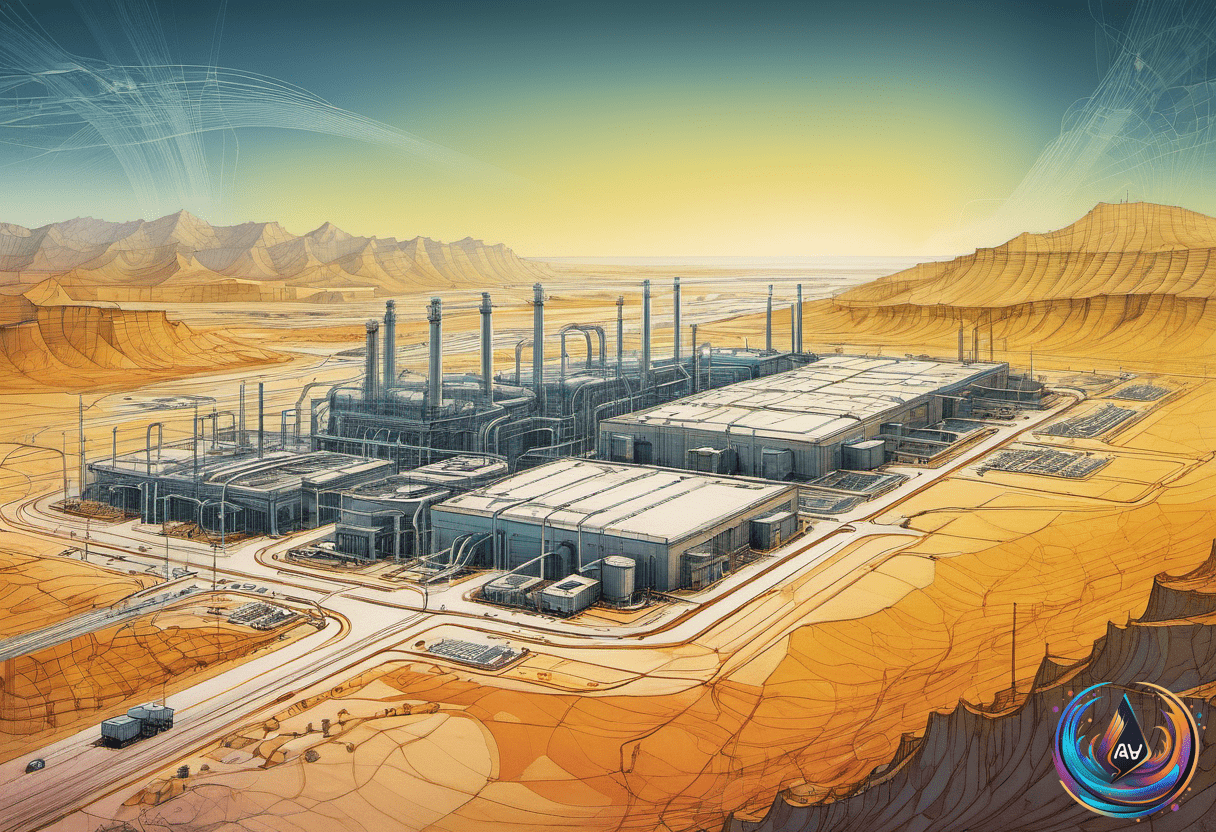
Before the war, the UAE, Saudi Arabia, and Qatar raced to build vast AI infrastructure. They banked on cheap, abundant energy, sovereign wealth, and stable conditions. Hyperscalers like Amazon, Microsoft, Google, and Oracle built data centers, lured by low power prices and fast permitting. But the war has shattered that narrative. Investments have paused or slowed as risks multiply.
Two Amazon data centers and an Oracle facility were hit by drone strikes. This unprecedented targeting of AI infrastructure signals a new front in regional conflict. The Islamic Revolutionary Guard Corps even released satellite footage targeting OpenAI’s Stargate campus in Abu Dhabi. Data centers now share the strategic value—and vulnerability—once reserved for oil pipelines.
Energy economics have flipped. The Gulf once offered power at roughly $0.11 per kWh; Europe’s rates run two to four times higher. Now, with oil prices spiking 55% and gas costs rising 30%, cheap industrial power is not guaranteed. Data centers, power-hungry beasts by design, face higher operational costs. Facility hardening, anti-drone defenses, insurance hikes, and supply chain delays will inflate build times and budgets.
Connectivity poses another headache. The Gulf’s AI ambitions rely on a fragile network of undersea cables running through volatile chokepoints like the Strait of Hormuz. These cables carry 95% of international data traffic. Damage or disruption risks can cripple the entire digital ecosystem. Recent attacks on cables in the Red Sea cost billions in damages and showed the vulnerability of these critical arteries.
Efforts are underway to diversify. Terrestrial fiber corridors through Saudi Arabia, Jordan, Syria, and Turkey aim to reduce reliance on maritime routes. Projects like Saudi Arabia’s SilkLink and Iraq’s WorldLink cable offer alternative paths. But these land routes run through politically unstable zones and carry their own risks. Satellite links provide backup but can’t match fiber’s capacity or latency.
Industry insiders warn the Gulf’s AI infrastructure must adapt. Physical hardening of data centers is becoming a necessity—potentially underground construction. Risk management now involves kinetic threats, not just cyberattacks. Investors demand multiple availability zones to avoid single points of failure. Confidentiality around facility locations is rising to protect assets from becoming targets.
Despite all this, Gulf AI champions remain publicly bullish. UAE’s G42 and Saudi Arabia’s HUMAIN insist their AI strategies are intact and growing. They emphasize scale, connectivity corridors, and sovereign backing as long-term advantages. Yet, analysts caution the war exposed a fragile illusion of stability. The region’s AI future will be costlier, slower, and riskier.
Global supply constraints compound the challenge. The AI infrastructure buildout faces chip shortages and hardware delays. Add geopolitical risk, and the Gulf’s data center projects sit at a precarious crossroads. The world’s AI race isn’t pausing, but the Gulf must rethink its playbook. Its ambitions remain, but the price of progress just climbed.
Based on
- The Gulf was supposed to power the AI boom. Then the war started. — thenextweb.com
- The Middle East war is testing the Gulf’s ambitions to become AI hub — cnbc.com
- The Middle East war is testing the Gulf’s ambitions to become an AI hub …Middle East — eng.pressbee.net
- How geopolitical instability could reshape Gulf datacentre investments and sovereign AI strategies | Computer Weekly — computerweekly.com
- The Gulf’s AI Boom Has an Undersea Cable Problem | Agooka News — agooka.com
- Iran Threatens Stargate AI Data Centers: What It Means for Global Tech and Security (2026) — toplucky7casino.com

















What do you think?
It is nice to know your opinion. Leave a comment.