AI Regulation
-
Generative AI
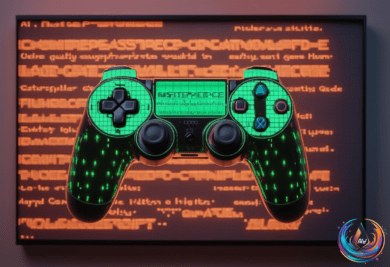
AI Tools Slash Time to Clone Video Games and Fan the Copycat Flames
Creating a cheap knockoff of a video game now takes hours, not months. Vibecoding, a new AI method, lets anyone…
Read More » -
Cloud Computing

Why AI Data Centers Are Stuck Waiting for Power and Facing Pushback
The race to build AI data centers is heating up worldwide. But many projects face a big hurdle: getting enough…
Read More » -
AI Ethics & Policy

AI Copyright Clash Ignites Fierce Debate on Fair Pay and Tech Power
The battle over AI and copyright is heating up in Australia and beyond. The stakes? Fair pay for creators and…
Read More » -
Future of Work

AI’s Job Shakeup Arrives Faster Than Ever
AI is not waiting for us. The clock is ticking, and the job landscape is shifting at a pace no…
Read More » -
AI Ethics & Policy

Global Moves to Limit Kids’ Social Media Access
Governments around the world are stepping up efforts to protect children from potential social media harms. Several countries plan to…
Read More » -
AI in Media & Entertainment

AI-Generated Flyers Trigger Backlash Amid Sports and Global Updates
AI-designed flyers are stirring up serious hate. Readers of 404 Media say they can’t stand them. One anonymous respondent put…
Read More » -
Cloud Computing

UK clamps down on cloud giants to guard financial stability
The UK is putting the largest cloud providers under the microscope. Starting 13 July 2026, Microsoft Ireland Operations, AWS EMEA,…
Read More » -
AI Ethics & Policy

Europe’s New Push to Limit Kids’ Social Media Use
Europe is moving toward stricter rules on children’s use of social media. The European Union plans to limit access for…
Read More » -
AI Ethics & Policy

Meta Faces Heat Over Child Safety and AI Ads Controversy
Meta, the company behind Instagram and Facebook, is under fire for ads linked to child sexual abuse material, or CSAM.…
Read More » -
Artificial Intelligence

China’s Open AI Model Challenges Global Control and Security Concerns
Zhipu’s GLM-5.2 just cracked the top three global ranks on the toughest AI benchmarks. It’s the first Chinese large language…
Read More »