









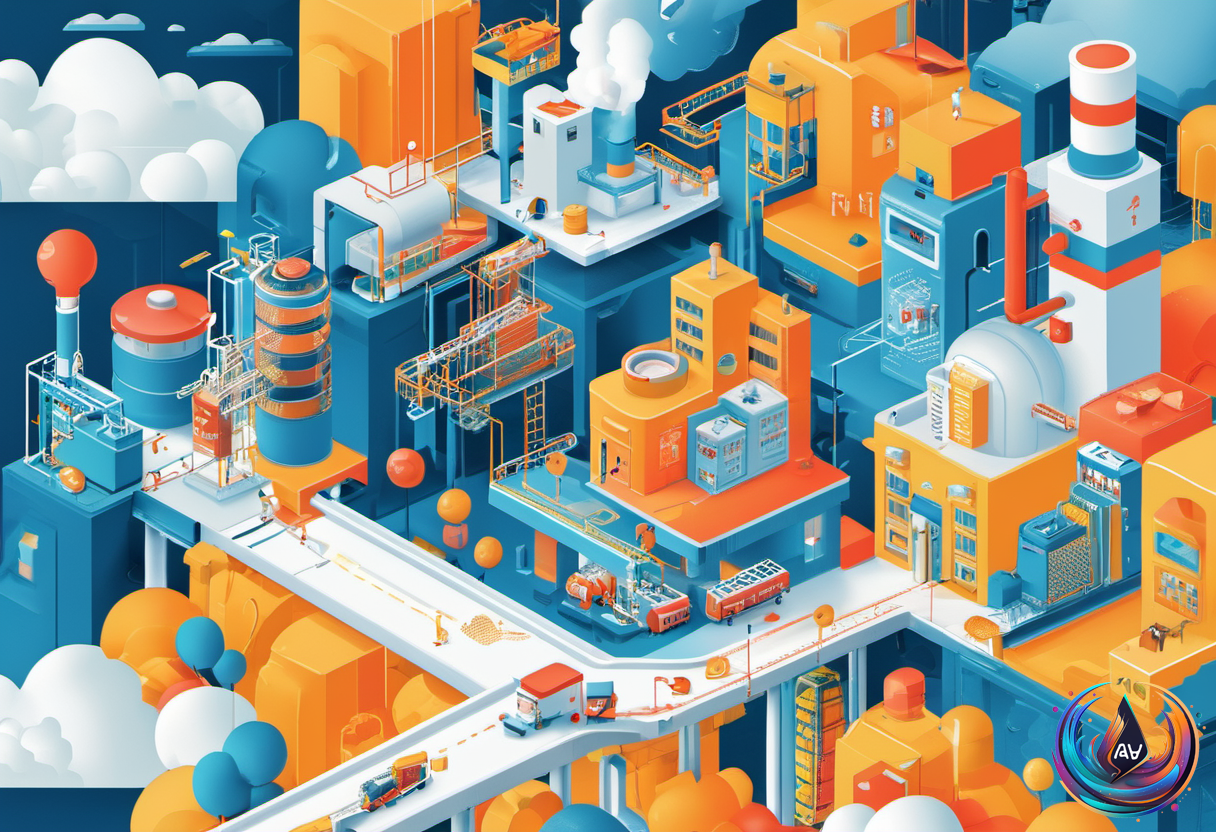
How PepsiCo Uses AI to Transform Factory Design and Operations
 162
162PepsiCo is exploring new ways to improve how its factories are built and run. Instead of focusing on office tasks or chatbots, the company is applying artificial intelligence to physical operations. This shift aims to reduce mistakes, speed up changes, and make manufacturing more flexible and efficient.
Using Digital Twins to Model Factory Changes
PepsiCo is leveraging digital twins — virtual models of real-world factory systems — to plan and test factory layouts before making actual changes. These models simulate equipment placement, material flow, and production speed, allowing teams to see potential issues and improvements without disrupting live operations.
When combined with AI, digital twins can run thousands of scenarios quickly. This helps PepsiCo identify the best configurations for production lines and make smarter decisions faster. It’s a way to experiment safely and avoid costly mistakes in the real world.
Speeding Up Factory Adjustments
Traditionally, changing a factory’s layout or upgrading equipment takes weeks or even months. It involves detailed planning, approval processes, and physical testing, which can slow down supply chains and affect product availability. Digital twins help cut down these timelines significantly.
Early pilots at PepsiCo show that using AI-driven models can validate changes faster and improve throughput. While the company has not shared detailed results, the pattern is clear: virtual testing accelerates decision-making and reduces operational risks.
This approach isn’t about replacing workers. Instead, it’s about helping teams make better decisions more quickly. AI acts as an engineering tool, enabling faster experimentation and smarter planning in physical operations.
Why Operational Efficiency Matters More Than Automation
PepsiCo’s focus highlights a broader trend in large companies. Many enterprises are now prioritizing measurable operational results over just deploying AI for automation. The goal is to save time, reduce disruptions, and improve planning rather than simply increasing productivity figures.
This pragmatic approach helps explain why many AI projects stall. When the benefits are tied directly to real-world outcomes—like faster factory updates or fewer delays—they are easier to justify and sustain. AI becomes a tool for operational engineering rather than just a productivity gimmick.
Overall, PepsiCo’s use of AI in manufacturing shows how digital innovation can reshape factory design and management. It’s about making physical operations smarter, faster, and more flexible, helping the company stay competitive in a fast-changing market.














What do you think?
It is nice to know your opinion. Leave a comment.