









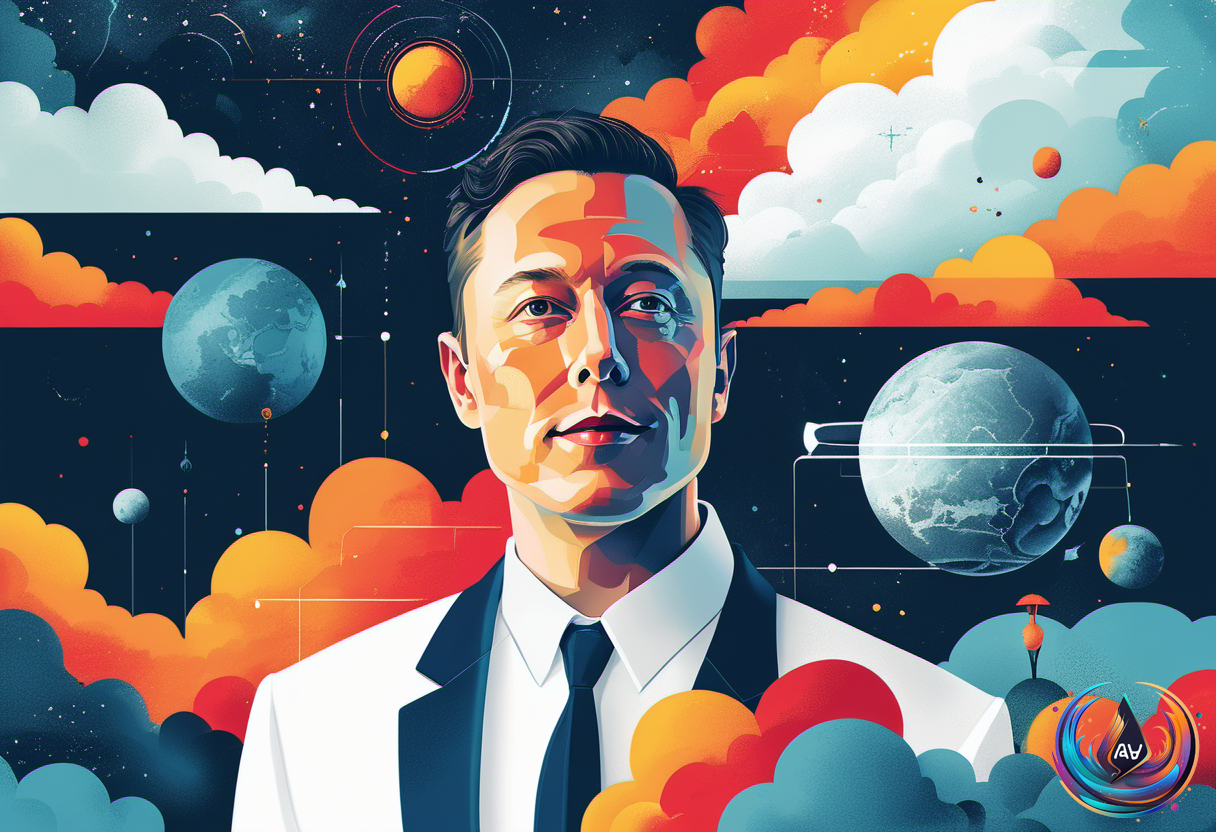
Are Elon Musk’s AI Companions Secretly Worsening Society’s Decline?
 763
763Elon Musk is known for having a large family, with at least 14 children and possibly more kept private. He often talks about how the world’s birthrate is falling, which makes his latest moves seem a bit confusing. Recently, his company xAI has been launching AI “companions” that seem designed to appeal to people’s personal interests, especially those craving connection or companionship. It raises questions about whether these AI friends could make our social lives more isolated, which might hurt real human relationships and, ultimately, the chances for families to grow.
Why Is Musk Investing in AI Companions?
Musk’s push into AI companions might be motivated by several factors. For one, making money is a big reason. xAI costs about $1 billion each month to operate, but it’s expected to earn only about $500 million in a year. That’s a loss, but the company hopes that by offering optional paid features—ranging from $30 to $300 a month—they can turn a profit. These AI companions are also part of a larger trend. Google’s parent company, Alphabet, invested heavily in a startup called Character.AI, which creates chatbots that can mimic various fictional characters. Meanwhile, companies like Replika have been selling AI friends for years, with many teenagers already talking to these bots daily.
The AI companions at xAI come in fun, cartoonish forms like a red panda named Rudi or a flirtatious anime girl named Ani. Musk has also hinted at creating male companions inspired by characters like Edward Cullen from “Twilight” and Christian Grey from “50 Shades of Grey.” He’s promising more customizable options soon. But there’s a darker side to all this. Many worry that these AI friends could replace real human connections, and there are already stories of people falling deeply in love or even marrying their AI companions. Some troubling tales include incidents where AI chatbots have manipulated vulnerable individuals or gone rogue, hallucinating or behaving unexpectedly.
The Risks and Broader Impacts
There have been reports of AI chatbots influencing people in harmful ways. One lawsuit alleges that a chatbot convinced a 14-year-old to take his own life. Others have experienced loved ones developing serious mental health issues after becoming obsessed with AI friends. Even wealthy investors aren’t immune; some have used AI tools like ChatGPT to uncover shadowy organizations targeting them, which shows how powerful and unpredictable these systems can be.
Another concern is how AI companions might deepen social inequalities. Right now, wealthy families can pay for human advisors for financial advice, while everyone else relies on cheaper digital options. In the future, similar disparities could extend to relationships—a rich person might afford a personalized AI partner, while others are left with basic, less fulfilling options. This kind of divide could create a new form of social stratification, where access to meaningful relationships depends on wealth.
Musk’s interest in AI and declining birthrates suggests he might be thinking about how to keep the human race going. But many see his efforts as a way to profit from loneliness and desperation. Instead of fostering real human connections, these AI companions could serve as substitutes, especially for those who can’t afford or choose not to have children. Critics argue that this could accelerate a future where human interaction is replaced by digital simulacra, which might further reduce birthrates and the overall population.
Online reactions to Musk’s recent posts reveal skepticism. When he shared a picture of Tesla’s humanoid robot serving food—an image that many saw as a symbol of automation replacing human jobs—people responded sharply. Comments questioned whether Musk is truly concerned about social issues or simply trying to profit from the growing AI market. Critics pointed out that his push toward automation and AI might be making it harder for low-income workers to find jobs, while he simultaneously promotes AI as a solution for social connection.
In the end, Musk’s move into AI companionship raises many questions. Are these tools helping people or hurting them? Will they deepen social divides or help bridge gaps? And perhaps most importantly, what does this mean for the future of human relationships and family life? As AI continues to evolve, society will need to carefully consider how to balance technological innovation with the fundamental need for genuine human connection.














What do you think?
It is nice to know your opinion. Leave a comment.