









Are Autonomous Vehicles Starting to Mimic Human Driving Habits
 485
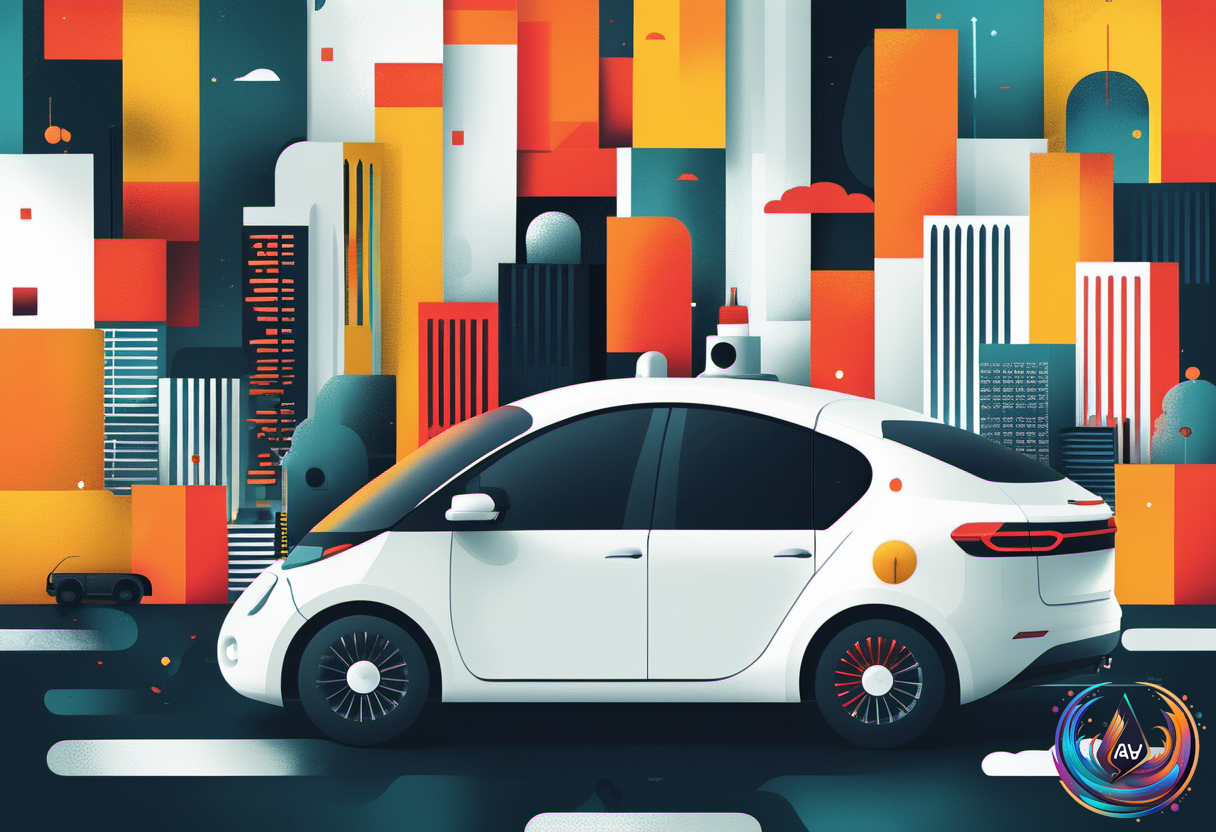
485Autonomous vehicles powered by AI are getting more human-like in how they drive. They’re now honking, taking sharper turns, rolling through stop signs, and edging into crosswalks—behaviors that mimic real drivers. These vehicles learn from millions of miles of real-world driving data, which helps them adapt to different traffic situations.
Some of these behaviors might actually make AVs safer. For example, Tesla’s Shadow Mode observes how humans drive and compares it to the vehicle’s own decisions, aiming to improve performance. But it raises an interesting question: should these cars copy all human habits? While some human actions—like knowing when to be assertive—are helpful, others like speeding or running stop signs are illegal and unsafe. Finding the right balance is key. Vehicles should learn from the best drivers, not the worst.
How AVs Are Becoming More Confident and Communicative
In San Francisco, experts have noticed a shift in how AVs drive. Waymo’s fleet of over 1,500 robotaxis is now driving more naturally and confidently, even honking when necessary to assert themselves—like when cut off by another driver. Their autonomous tech, Waymo Driver, learns from over 100 million miles driven in the real world and billions of simulated miles. It helps the vehicle understand its surroundings, anticipate what other drivers might do, and navigate safely through busy city streets.
Waymo’s approach combines advanced AI with human-like judgment. For example, their vehicles can now confidently take turns at four-way stops, merge smoothly into traffic, and navigate around obstacles like double-parked cars. These improvements come from understanding local driving customs and norms, all while maintaining high safety standards. The goal is to create a driving experience that feels familiar and trustworthy to other drivers and pedestrians.
Communication and Assertiveness Improve Safety
AI-driven cars are also learning to communicate better. Mercedes-Benz’s vehicles, for example, use turquoise lights to signal when they’re in autonomous mode, replacing more traditional signals like eye contact or gestures. As AI advances, clear communication between vehicles and with pedestrians will become crucial for safety.
Studies show that assertiveness and safety can go hand in hand. Waymo’s data indicates their driverless cars are involved in fewer serious crashes than human drivers. Being too hesitant in traffic can be just as dangerous as being too aggressive. So, AVs are now better at judging when to assert themselves—like merging or changing lanes—based on local driving habits and norms. This helps prevent accidents and keeps traffic flowing smoothly.
Some AVs go beyond sounds and lights to communicate. Zoox, a robotaxi company owned by Amazon, uses a directional speaker system to talk directly to pedestrians or other road users. Instead of honking, these vehicles can say “please” or give targeted audio cues, which many see as less disruptive. In the future, passengers might be able to customize their ride experience—choosing to go faster, slower, or ride only with certain groups of people.
Kara Kockelman, a transportation professor, has tested AVs and finds them to be safer than human drivers overall. She notes that AVs tend to stick to local roads and avoid highways until they can demonstrate safe driving at higher speeds and in heavier traffic. One reason for their safety edge is that AVs have a constant, comprehensive view of their environment. They know what’s around them at all times, even things humans can’t see, thanks to a network of sensors and cameras.
While honking might seem annoying, Kockelman says it’s a useful safety tool for alerting others to mistakes or dangerous situations. As these vehicles get smarter, their ability to communicate will only improve. The key is ensuring they mimic good driving habits and avoid replicating unsafe behaviors.
In summary, autonomous vehicles are increasingly adopting human-like behaviors, but with a focus on safety and efficiency. They’re learning when to assert themselves, how to communicate effectively, and how to navigate complex traffic environments. As AI continues to evolve, these vehicles could become even better drivers—safer, more confident, and more communicative—leading to fewer accidents and smoother traffic flow for everyone.
















What do you think?
It is nice to know your opinion. Leave a comment.