









How Major Music Labels Are Shaping AI Licensing in Creative Industries
 411
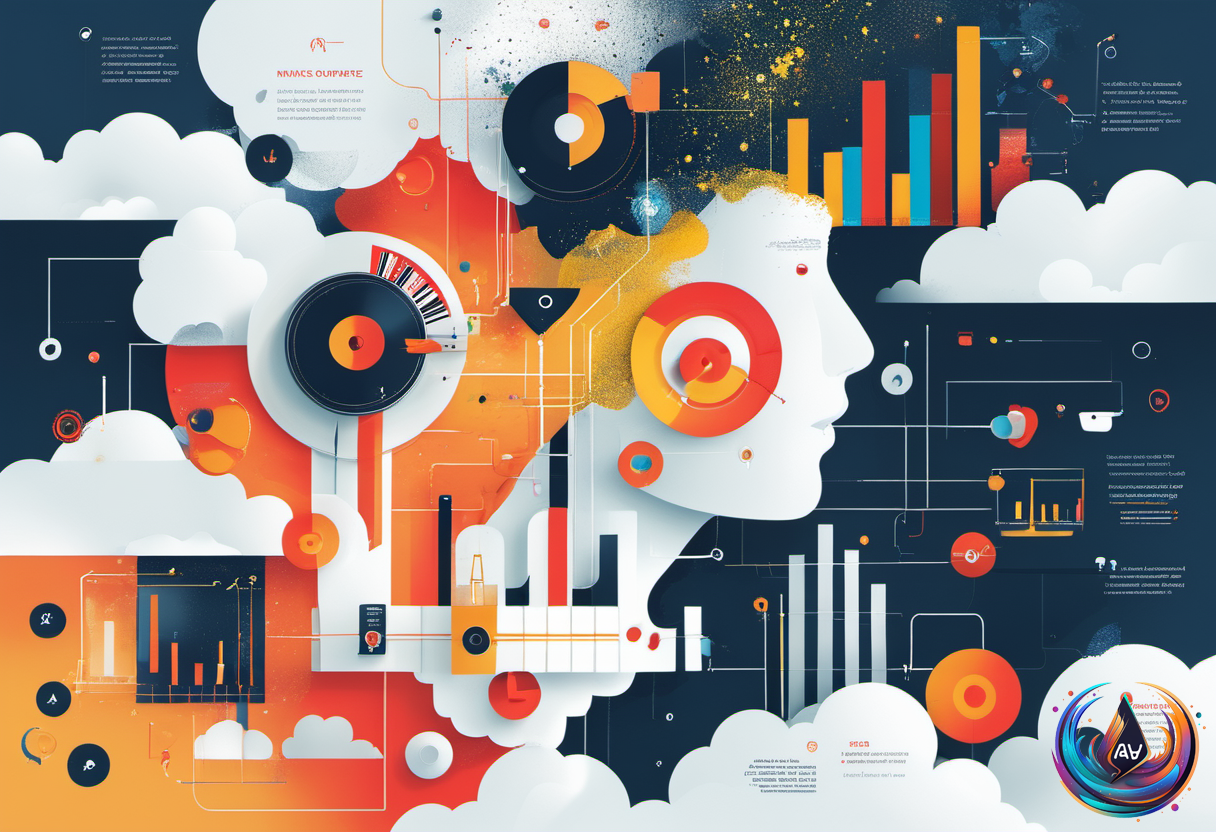
411The music world is about to change quite a bit. Big record labels are close to signing new agreements with AI companies that could set the stage for how creative works are used and paid for in the future. These deals will let AI firms access music catalogs legally while making sure artists and rights holders get their fair share. This move might become a blueprint for other creative fields grappling with AI.
Music Licensing and AI: A New Approach
Recently, the trend has been toward finding ways to work with AI instead of fighting it. For example, Disney sent a cease-and-desist letter to Character.AI over the use of Disney characters, which is a more confrontational approach. But in the music industry, licensing agreements suggest a different path—one that focuses on collaboration and monetization. Instead of banning AI-generated music, these deals aim to regulate it, allowing platforms to produce convincing songs in the style of famous artists while paying royalties. This could prevent a repeat of viral unauthorized tracks, like the AI-generated Drake song that made headlines last year.
The Bigger Impact on Creative and Regulatory Fields
The ripple effects of these licensing deals go beyond music. Governments and regulators are paying close attention. The European Union’s AI Act, for example, already promotes clear labels for synthetic content, which could include AI-created music, videos, or text. Industries such as publishing, marketing, and journalism are also dealing with similar issues. Studies show that nearly a quarter of corporate press releases last year involved AI writing parts of the content. If licensing models become common in music, other sectors might adopt similar frameworks, shifting from constant legal battles to structured agreements.
Financial and Cultural Shifts in AI Use
Investors are pouring billions into generative AI technologies across many fields. Hollywood experiments with AI actors and startups promising rapid business software migrations highlight how broad this trend is. Licensing agreements could bring stability, ensuring artists and creators are compensated fairly as AI becomes more integrated into everyday work. For many, this signals a cultural shift—recognizing that AI isn’t going away. The key question is whether these licensing frameworks will truly protect creativity or just turn art into a commodity sold to the highest bidder. Is this progress or just another remix of an old story?
Closing out, it’s clear that these new licensing deals mark a significant change in how creative industries will handle AI. They’re a sign that collaboration and regulation might be the best way forward, rather than banning or ignoring AI altogether. The challenge will be ensuring that creativity remains protected and that artists are fairly rewarded in this evolving landscape.














What do you think?
It is nice to know your opinion. Leave a comment.