









The Future of Brain Tech and Neuro Innovation Unfolds Today
 25
25Neurotechnology is exploding right now. Imagine brain electrodes soft enough to fold through a tiny cut, then unfold inside the skull. This isn’t science fiction. It’s happening today. A Swiss startup just raised $7.5 million to make this a reality. Their goal? To build brain-computer interfaces that are softer, stretchier, and cover more brain than ever before.
Soft Electrodes Changing Brain Interfaces
Traditional brain electrodes are stiff. They sit on the brain surface but can only cover limited areas. The brain’s surface is folded and complex, so rigid devices miss huge sections. Plus, stiff electrodes irritate brain tissue, causing scar formation. That scar tissue blocks signals and ruins device performance over time.
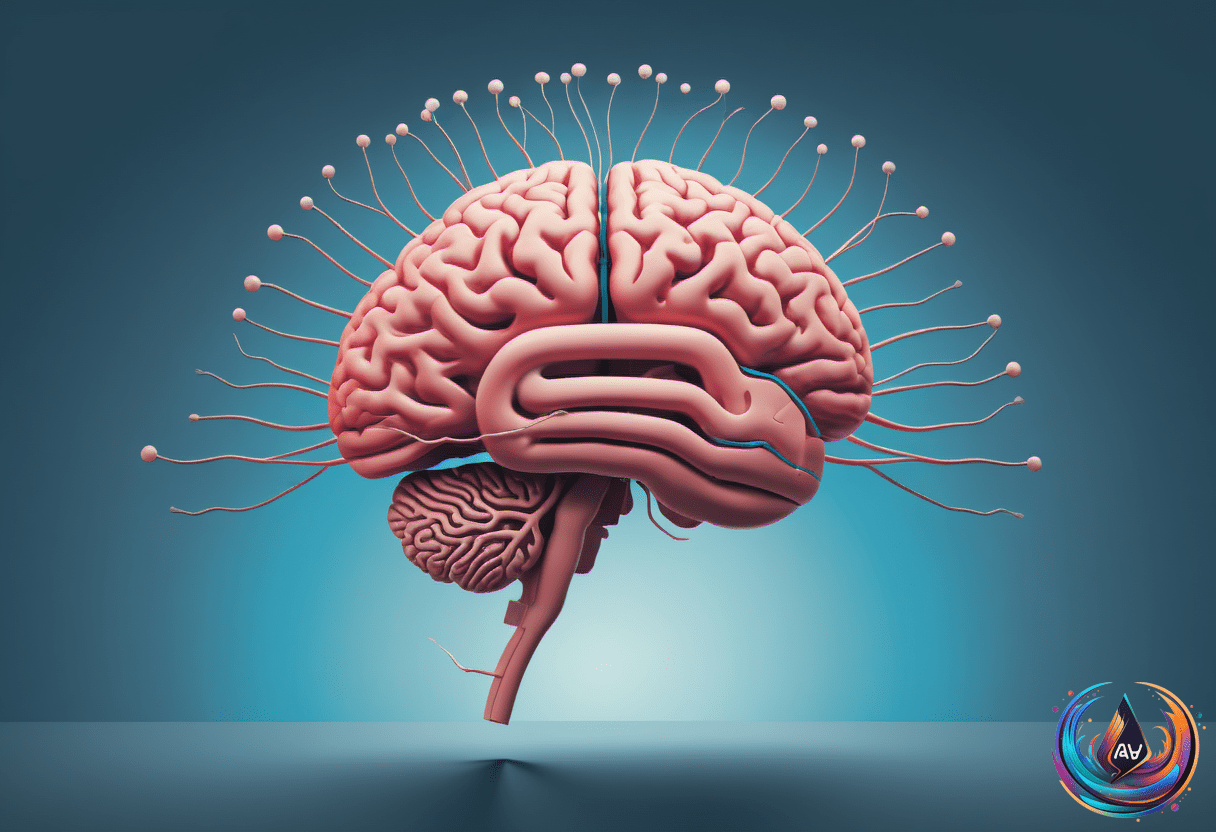
This startup flips the script. Their electrodes are made from soft, elastic materials. They fold up small enough to slip through a tiny incision. Then they unfold inside the skull, wrapping around brain folds like a glove. This lets them reach more cortical surface than older devices. That means better, clearer signals for brain-computer interfaces (BCIs).
These BCIs connect brains directly to computers. They can help people with epilepsy, paralysis, and other neurological disorders. This tech isn’t just for medical use. It could also power future AI-enhanced brain devices.
Big Moves in Brain AI and Funding
This seed round wasn’t small news. The startup raised $7.5 million in an oversubscribed funding round. Top venture capital firms jumped in, pushing total funding past $20 million. That’s a vote of confidence. It shows investors believe soft, scalable BCIs will shape the future.
Across the globe, other neurotech companies are also grabbing attention. A Dutch firm raised $100,000 to develop high-performance neuroscience research tools like EEG and TMS machines. Meanwhile, an Israeli startup secured $725,000 to advance wearable muscle stimulation systems that aid rehabilitation and muscle recovery.
The race is heating up to create next-gen neuro devices. Some players focus on brain implants. Others target muscle interfaces or neurodiagnostic tools. All of them aim to unlock new ways to understand and enhance the human nervous system.
Why Now? The AI and Brain Connection
AI is turbocharging neurotech. Brain signals are complex patterns that AI can decode better than ever. Some companies are building “foundation models” trained on massive neural datasets collected from implants. These AI models aim to interpret brain activity in real time and with more precision.
One recent example involves a US company planning to train AI on large-scale brain recordings. Their vision is to create AI agents that learn human cognition directly from neural data. This could revolutionize how we treat neurological diseases and develop brain-machine interfaces.
Soft electrodes make this possible by gathering richer, more stable signals. Better data means smarter AI. Smarter AI means better brain tech. It’s a feedback loop pushing the entire field forward.
What’s Next for Brain-Computer Interfaces?
- Clinical trials are already underway in multiple countries. Real patients are testing these flexible implants.
- Near-term goals include launching commercial products in the US market. This will open doors for new medical treatments and brain-driven devices.
- Developers aim to build AI-powered software that learns from neural data in real time, improving accuracy and responsiveness.
- Future research will explore how these soft interfaces can support more complex applications, including cognitive enhancement and neuroprosthetics.
The neurotech revolution is accelerating. Soft, scalable brain electrodes are breaking barriers. AI is decoding brain signals with fresh clarity. Investors are pouring cash into startups turning bold ideas into reality.
What does this mean for you? Brain-computer interfaces might soon move from labs into everyday life. They could restore lost abilities, unlock new communication methods, and even amplify human cognition. The future is unfolding right now, one soft electrode at a time.
Based on
- Neurosoft Bioelectronics Raises $7.5M Seed Round to Advance Soft and Scalable Brain-Computer Interfaces — justainews.com
- NeuroTrigger Raises $725K for Muscle | Signalbase — trysignalbase.com
- ANT Neuro Raises $100K Seed Funding | Signalbase — trysignalbase.com
- Why NeuroLink AI’s $500M Funding Stunt Has Investors Chasing After the Next OpenAI – The Tech Edvocate — thetechedvocate.org

















What do you think?
It is nice to know your opinion. Leave a comment.