









Online Safety Battles and Climate Tech’s Industrial Shift
 17
17The fight over online safety is heating up in Washington. Researchers who study hate speech and disinformation are suing the administration over new visa restrictions. The policy blocks foreign-born experts whose work helps moderate harmful content on social platforms. They argue it violates free speech and due process rights. This case could reshape who gets to work on digital safety.
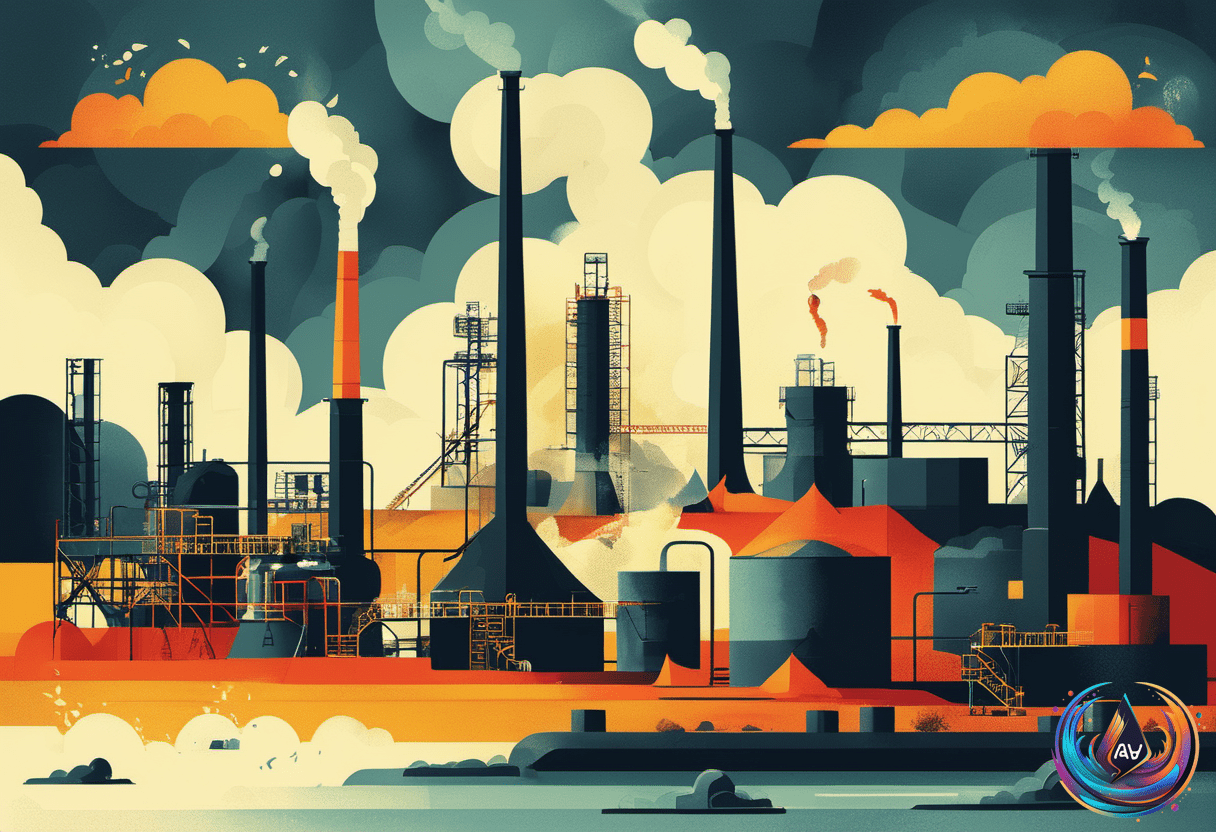
Meanwhile, climate tech startups are pivoting away from pure decarbonization. With political backing waning, companies like Boston Metal are raising tens of millions to produce critical metals instead. Steel production causes roughly 8% of global greenhouse gases. Boston Metal’s new focus could keep it afloat through tougher times. The shift signals a broader industry trend—survival through diversification, not idealism.
Artificial intelligence is also evolving. Researchers are moving beyond large language models to build AI that understands the physical world. Called world models, these systems aim to grasp real-world environments, not just text. Big names like Google DeepMind and new startups are racing ahead. This approach may finally push AI from pattern mimicry toward genuine understanding.
SpaceX filed for an IPO expected to be the largest ever. Elon Musk could become the world’s first trillionaire. But the filing reveals losses nearing $2 billion in the first quarter of 2026, mostly from AI investments. Rivals are challenging SpaceX’s launch monopoly. Musk’s empire may be massive, but it’s far from bulletproof.
On the AI hardware front, Nvidia smashed revenue records thanks to the AI boom. Yet it ceded the Chinese market to Huawei, making no chip sales there. Samsung narrowly avoided a strike over AI profit-sharing, exposing tensions in the tech labor force. And President Trump is set to sign a cybersecurity directive—without mandating federal approval of AI models before release. The patchwork approach to AI oversight continues.
Amid all this, the US still struggles to fund education properly. Proposals to pour $60 billion into school repairs and stops to teacher layoffs ignore simpler savings. Cutting excessive testing and resisting plans to ramp it up would free billions. But bureaucracy and politics prefer flashy spending over smart cuts.
Finally, a grim reminder lurks outside the tech bubble. A worker died alone on the job, unnoticed for days. His death went unchallenged, dismissed as inevitable. It highlights how poverty and neglect can become invisible tragedies, even as tech headlines dominate.
Based on
- The Download: online safety’s future and climate tech’s big pivot — technologyreview.com
- Le blog du JAIME français : La description physique et l’âge — leblogdujaimefrance.blogspot.com
- Big Education Ape: Schools Matter: How to come up with $60 billion (or more) for education — bigeducationape.blogspot.com
- Big Education Ape: K-12 News Network | Open Letter to President Obama: The One Book You Should Read on Public Education: Diane Ravitch’s Reign of Error — bigeducationape.blogspot.com
- CAIS DO OLHAR: OS DIAS VISTOS DO CAFÉ DO MONTE — caisdoolhar.blogspot.com
- My Heart, Your Home: 32/52 — myheartisyourhome.blogspot.com

















What do you think?
It is nice to know your opinion. Leave a comment.