









Why People Are Embracing Typos to Prove They’re Human
 13
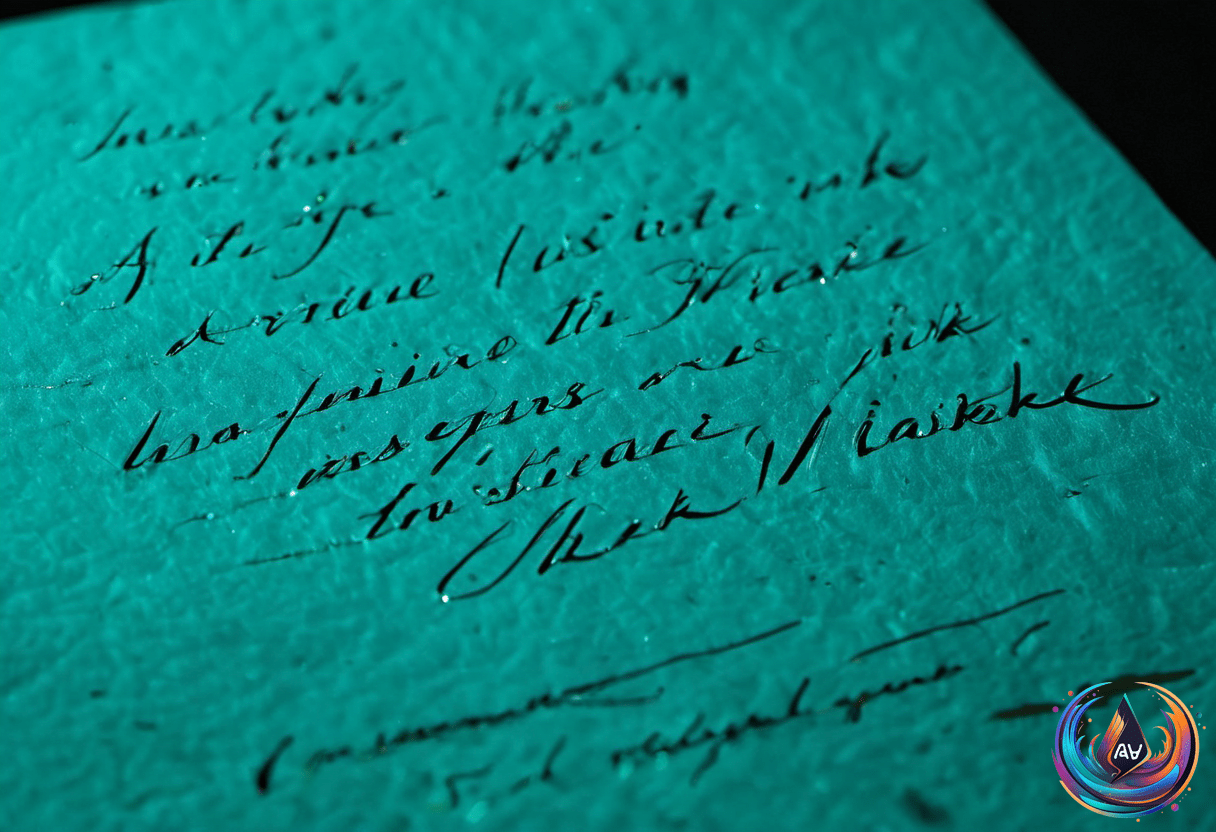
13Typos used to be a mark of carelessness. They were the mistakes you fixed before sending a message or publishing a text. Now, they are becoming a badge of honor. People are adding typos on purpose to show they are not AI.
Here is the thing: AI writing tools produce perfectly polished text. They rarely make spelling or grammar errors. That smoothness, once admired, now feels suspicious. If something looks too perfect, readers often assume it was made by a bot.
As AI-generated content floods emails, social media, and even dating profiles, typos have become a way to prove a human hand wrote the words. A little misspelling or a small grammar slip signals genuine effort and personality.
The New Meaning of Typos
Typos have flipped from bad to good. They used to be signs of laziness or sloppy work. Now, they are signs of authenticity. Celebrities sometimes leave typos in their posts to appear more relatable and sincere.
In online dating, typos can show that someone wrote their profile themselves instead of copying AI-generated text. This small imperfection creates trust. It says, “I’m real. I took the time.”
Even political figures have embraced typos. For example, a spokesperson once defended a president’s frequent spelling mistakes as proof of genuine communication. The idea is that flawless writing can feel fake or scripted.
Why This Matters for Our Culture
We live in a world where AI is everywhere. It writes emails, reports, social media posts, and more. The polished style of AI can feel cold and impersonal. People crave something messier and more human.
This craving has created a new social pressure. To prove you are human, you might purposely make a mistake or reveal a personal flaw online. This “authenticity trap” forces people to share more private moments or errors just to gain trust.
That pressure can be exhausting. It means you have to perform being imperfect to be accepted. Ironically, this feels less natural than just writing or speaking normally. The quest for “realness” has become a new kind of script.
At the same time, the shift challenges old ideas about professionalism. In the past, clean and error-free writing was a must in workplaces and formal settings. Now, some people argue that a perfect email might seem less sincere, even less competent.
But this doesn’t mean all typos are good. Mistakes don’t automatically make a text better. Instead, typos act as a clue that a real person wrote the message, line by line, instead of a machine generating it.
When Style Becomes Suspicious
We also see a new kind of paranoia around writing. Some people suspect any clean, well-structured text is AI-generated. This can make writers second guess their style. A carefully written essay or email might raise eyebrows for being “too perfect.”
Good writing has always followed certain rhythms and structures. AI learned these from humans. So, when writing sounds polished and balanced, it might just mean the writer knows their craft well. It doesn’t prove a machine wrote it.
This suspicion can make writing less playful. Writers may avoid clear or precise language just to dodge being labeled as AI. That limits creativity and honest communication.
We should focus more on the content and meaning of the text. Does it make sense? Is it thoughtful? Can the writer explain their ideas? These questions matter more than spotting a typo or a phrase AI often uses.
In the end, typos are just one part of a bigger conversation. They highlight how much AI is changing how we write, read, and trust each other. The challenge is balancing technology with genuine human connection.
Typos remind us that behind every message, there is a person. Imperfect, messy, and real. And that is worth reading.
Based on
- People Are Loading Their Writing With Typos to Prove They’re Not AI — futurism.com
- The Typo Vibe Shift – The Culinary Gene — theculinarygene.com
- The Typo Vibe Shift – The Atlantic – Skeptic Society Magazine — dev.akhiles.co.uk
- AI is Forcing Us to Prove Our Humanity – Knight Errant — bsmknighterrant.org
- The New Fear of Writing. In the rush to detect AI written text… | by hejrene | Rene | May, 2026 | Generative AI — generativeai.pub
- I Told the Internet I Use A.I. Boy, Was It Mad’: The Rising Stigma of Synthetic Output | MNU Trailblazer — mnutrailblazer.com
















What do you think?
It is nice to know your opinion. Leave a comment.