









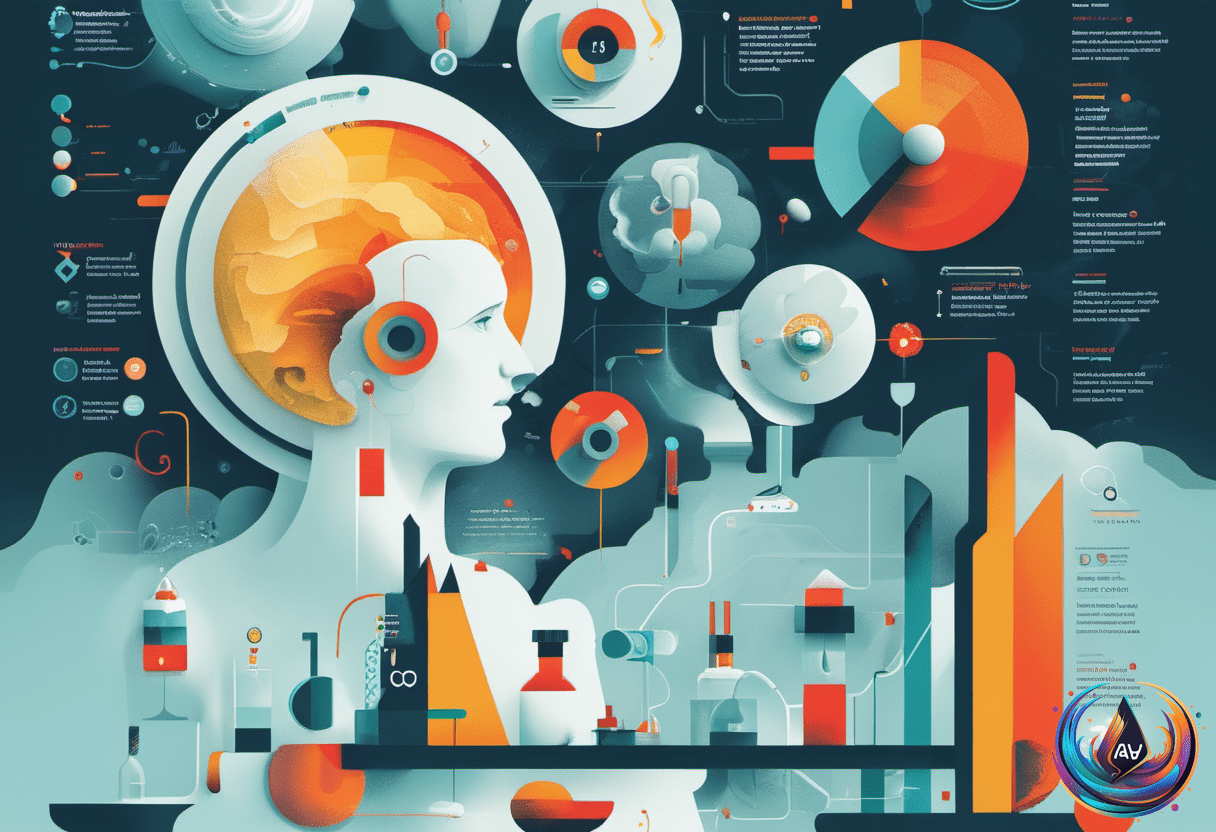
Inside Demis Hassabis’ Vision for AI and the Future of Medicine
 23
23Demis Hassabis, CEO of Google DeepMind, believes artificial general intelligence (AGI) could arrive by 2030. He recently shared his thoughts on what still needs to happen before that breakthrough and how AI could transform medicine.
Hassabis calls this moment “the foothills of the singularity.” That means we’re just beginning to see AI systems capable of autonomous, complex reasoning. These agentic AIs can already perform real tasks, like coding and search. But true AGI requires filling gaps in memory, consistency, and continual learning.
DeepMind has made huge progress with projects like AlphaFold, which predicted protein structures, earning a Nobel Prize. Hassabis says this is just the start. The goal is to build an AI platform that can help discover cures for all diseases within 10 to 20 years.
AI’s Role in Revolutionizing Drug Discovery
DeepMind is developing multiple AI models to tackle different stages of drug development. This includes predicting protein interactions, molecular binding, and how drugs behave inside the body. The vision is an engine that can address almost any disease by combining these tools.
This platform approach mirrors AlphaFold’s success but covers many more factors. While AI can speed up drug discovery, clinical trials still take time. Hassabis hopes AI will also optimize trials by selecting patients and dosages more effectively. This could shorten the overall timeline for new treatments.
Real-world applications like Gemini already assist people by analyzing medical scans. Some users report life-saving advice confirmed by doctors. Hassabis sees AI becoming a daily research assistant, helping scientists generate hypotheses and analyze data with tools like Co-Scientist.
Preparing for AGI and the Changing Human Role
Hassabis expects AGI to arrive gradually, not as a sudden event. He imagines testing future AI by seeing if it can replicate Einstein’s early breakthroughs in physics. Today’s models fail such tests, but soon they will pass them.
He encourages entrepreneurs and investors to prepare for rapid AI improvements. Startups relying on today’s AI weaknesses risk becoming obsolete as models grow more capable and cheaper. The winners will build solutions in areas requiring trust, compliance, and domain expertise—like healthcare, law, and logistics.
At the same time, Hassabis highlights uniquely human qualities that AI cannot replace. Creativity, taste, emotional connection, and original thinking will become more valuable. He urges people to think about how AI can elevate their skills rather than chasing “AI-proof” jobs.
Looking beyond AGI, Hassabis plans to use AI to explore deeper questions about reality and humanity. He envisions a future where AI helps us understand the nature of existence and meaning in new ways.
While some warn of AI risks, Hassabis remains cautiously optimistic. He sees AI as a tool for tremendous human progress. The coming decade could bring breakthroughs that reshape science, medicine, and society.
Based on
- Exclusive: Demis Hassabis on AGI, curing diseases with AI — therundown.ai
- Demis Hassabis says AGI could arrive by 2029 – Startup Fortune — startupfortune.com
- DeepMind CEO Demis Hassabis Says Humanity Is in Foothills of Singularity · Digg — digg.com
- DeepMind’s Insane AI Breakthroughs With CEO Demis Hassabis | Summary & Key Insights | Summify — summify.io
- DeepMind CEO: ‘AGI’ Is Coming Soon, But Here’s the Test It Must Pass First — me.pcmag.com
- DeepMind CEO Demis Hassabis Predicts AI Singularity at Google I/O – Archynewsy — archynewsy.com

















What do you think?
It is nice to know your opinion. Leave a comment.