









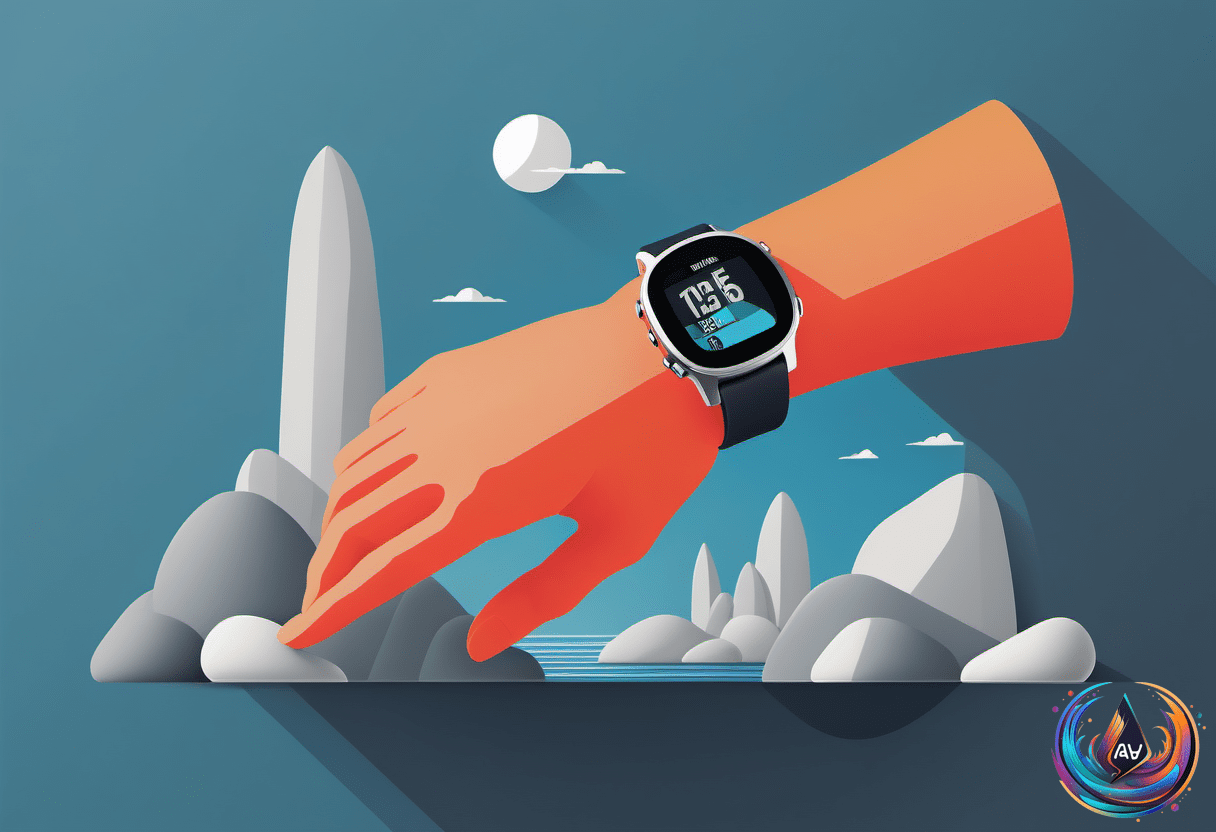
Google Unleashes Fitbit Air Blueprints for Custom 3D-Printed Bands
 22
22Google just flipped the script on wearable customization. Instead of locking down Fitbit Air accessories, they handed the keys wide open. Now, anyone—yes, you—can dive into the design process and 3D print your own Fitbit Air bands and accessories. No middlemen, no waiting for official releases. Just pure maker freedom.
This isn’t your typical product launch add-on. Google dropped detailed 2D CAD blueprints and exact technical specs for the Fitbit Air tracker. That means you get real measurements, tolerances, attachment forces, and design guidelines straight from the source. They even included critical info to keep the tracker’s sensors working flawlessly.
The Fitbit Air Gets Maker-Friendly
The Fitbit Air is already a game-changer. It’s a sleek, screenless fitness tracker that weighs less than 6 grams without its band. It tracks heart rate, SpO2, sleep, and over 140 different activities—all powered by Google’s AI-fueled Health Coach. But what really sparks excitement is its swappable pebble design.
Google’s new blueprint release lets creators craft bands that snap in securely but can be swapped out easily. They’ve outlined how bands should maintain steady skin contact to keep heart rate and SpO2 sensors accurate. The specs even cover the force needed to attach and detach the tracker without risk of damage or accidental loss.
By making these specs public, Google invites hobbyists, indie designers, and third-party brands to innovate without limits. Already, creators have started printing bicep bands and custom sleeves, expanding the Fitbit Air’s versatility beyond the wrist.
Blueprints, Guidelines, and Safe Materials
Google didn’t just hand over CAD drawings and walk away. They laid down strict guidelines to make sure every accessory is safe and comfortable. Designers must use skin-friendly materials that won’t cause irritation or allergic reactions. The company lists restricted substances and demands that metals like copper and brass are lead-free. Latex has to be free of allergenic proteins.
On a dedicated page, Google details how bands should apply gentle, consistent pressure—around 35 mmHg—to keep sensors flush against the skin without discomfort. This balance ensures accurate tracking during intense activity or sleep.
Plus, the sleeve holding the tracker needs flexibility. It should let users pop the tracker in and out smoothly while holding it firmly during workouts or daily wear. This design balance is critical to Fitbit Air’s usability and reliability.
Empowering the Maker Community
These design files aren’t ready-to-print 3D models. Instead, they provide everything needed to rebuild the tracker’s geometry in CAD software. That means with a bit of effort and the right tools, hobbyists can create parametric models, tweak dimensions, and produce custom-fit accessories tailored to their needs.
Even AI tools can help. Using the measurements, AI assistants can generate 3D modeling guides, parametric code, or printable files. This approach lowers the barrier for people who want to design but aren’t CAD experts.
Google’s move taps into the vibrant DIY and 3D printing communities. It encourages experimentation and personalization. Want a band that matches your style, sports your favorite color, or fits a unique body part like your bicep? Now you can make it yourself.
It’s a bold shift from usual tech product control. By sharing the Fitbit Air’s secrets, Google fosters an ecosystem where users become creators. This approach could redefine how wearables evolve in the future.
What This Means for Wearable Tech
Google’s open blueprint strategy signals a new era of wearable customization. Instead of one-size-fits-all accessories, we’ll likely see a flood of unique designs catering to diverse lifestyles and preferences. Fitness trackers will no longer be limited by official accessory lines.
The Fitbit Air’s low price and AI-powered features already make it a strong competitor in the fitness tracker space. Now, open hardware designs add a fresh layer of appeal. Makers and small brands can build niche accessories that big companies overlook. Users gain freedom to express personality while optimizing fit and function.
With growing interest in health tech and AI coaching, this move could inspire other companies to open their platforms for community innovation. Imagine a future where your wearable adapts to your style and workout needs through user-created parts—without waiting for official releases or expensive add-ons.
Google’s Fitbit Air is just the start. The maker revolution in wearables is here, and it’s powered by open data, smart design, and creative freedom. Are you ready to print your perfect band?
Based on
- Google shares Fitbit Air blueprints so you can 3D print your own accessories — engadget.com
- Google just made it ridiculously easy to 3D print your own Fitbit Air bands – Android Authority — androidauthority.com
- Google announces Fitbit Air specs and guidelines for 3rd-party accessories — newsbytesapp.com
- Google releases Fitbit Air blueprints to let anyone make bands — 9to5google.com
- Google Fitbit Air: The AI-Powered Fitness Tracker That Outsmarts the Competition — SpecDecoded — specdecoded.com
- Fitbit Air: Google überrascht mit Datenfreigabe zur Herstellung von Zubehör — smartdroid.de

















What do you think?
It is nice to know your opinion. Leave a comment.