









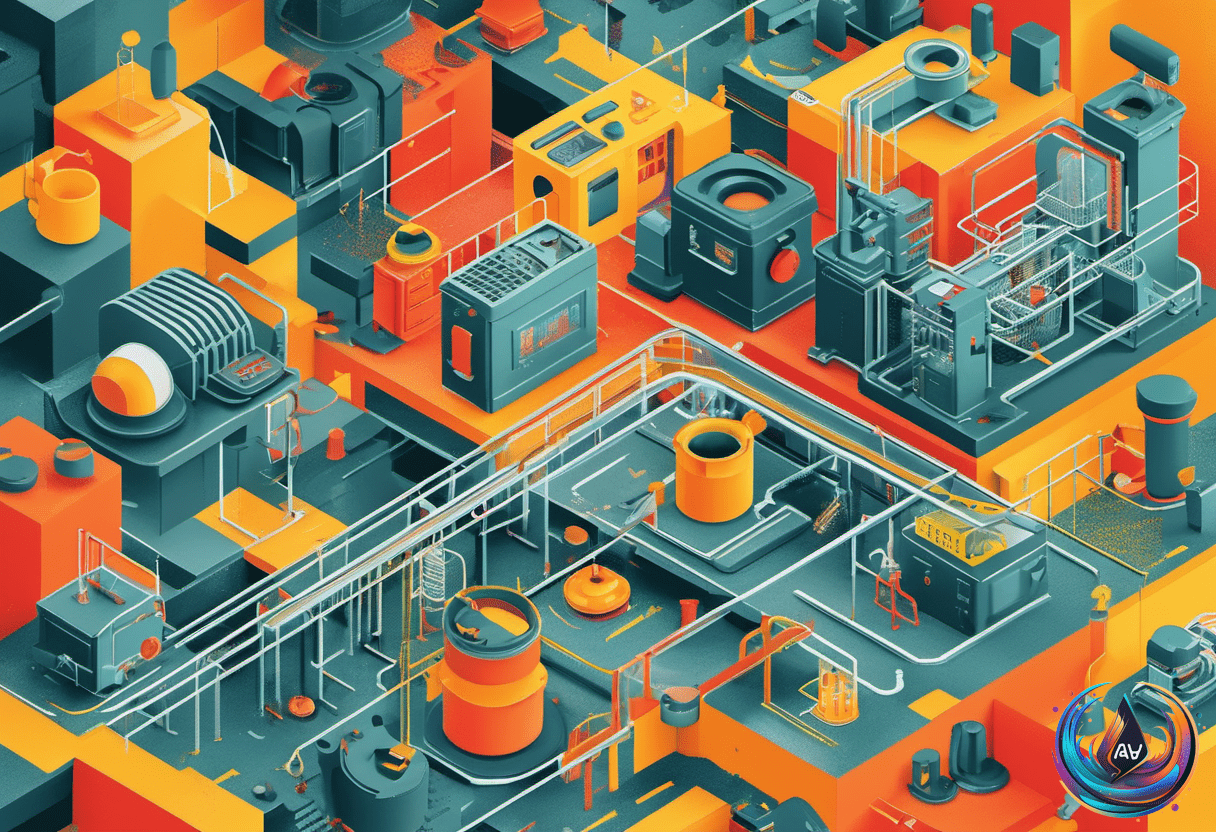
Revolutionizing Plastic Waste with Microwave-Powered Recycling
 17
17What if we could recycle all plastic waste, not just a small fraction? Imagine turning every type of PET—textiles, colored plastics, films—into brand-new, food-grade material. This isn’t sci-fi. It’s happening now.
A Swiss startup called GR3N just raised €15.5 million to build the world’s first microwave-powered PET recycling plant. This plant will be a game-changer, tackling 85% of PET waste that traditional recycling ignores.
Why Most PET Recycling Falls Short
PET plastic is everywhere—from water bottles to polyester clothing. But today, 98% of recycling depends on mechanical processes. Those only work for clear or light-blue bottles. That’s just 15% of total PET waste.
The rest? Colored plastics, textile fibers, films, and contaminated materials are dumped in landfills or burned. This waste pile not only harms the environment but also blocks progress toward stricter EU regulations demanding more recycled content.
With pressure mounting, brands and governments want real solutions. That’s where GR3N comes in.
Microwave Magic: The MADE Technology
GR3N’s secret weapon is MADE—Microwave Assisted DEpolymerization. It uses microwaves to break down PET into its original building blocks, no matter the color, contamination, or form.
- No feedstock limits: It can handle textiles, colored plastics, and films that mechanical recycling can’t.
- High purity output: The process produces food-grade monomers that can be recycled endlessly without losing quality.
- Carbon savings: MADE cuts CO₂ emissions by up to 80% compared to producing virgin PET.
Unlike other chemical recycling methods like glycolysis or methanolysis, MADE doesn’t degrade the material or restrict the input. This means a true circular economy is possible, where plastic waste cycles back into products again and again.
Scaling Up: The MODUS Plant in Spain
The €15.5 million funding will power the MODUS plant, designed to process 40,000 tonnes of PET waste annually. Located in Spain, this will be the world’s first commercial-scale microwave-assisted PET recycling facility.
The project is backed by a €35 million grant from the European Union’s Innovation Fund, showing strong institutional support. Intecsa Industrial, a part of the Cobra IS group, leads the engineering and construction, aiming for commercial operations by mid-2030.
GR3N’s CEO Martin Stephan, a seasoned leader with two decades of experience, is steering the company through this crucial growth phase. His goal? Prove that chemical recycling can work at industrial scale and meet real market demand.
Textile Waste: The Hidden Opportunity
Polyester textile waste is a giant problem. The fashion industry produces over 90 million tonnes of waste yearly. Yet less than 1% of garments are recycled back into new clothes.
Why? Mixed fibers, dyes, and contaminants make recycling extremely difficult. GR3N’s MADE technology can handle these complex streams, unlocking a vast source of high-quality recycled material.
Investors like VP Textile see this as a breakthrough for sustainable fashion. Their partnership with GR3N aims to transform discarded workwear and protective clothing into recycled polyester, closing a loop that was previously broken.
Europe’s Push for Circular and Climate-Friendly Tech
The EU is ramping up sustainability rules. Packaging waste regulations demand 30% recycled PET by 2030 and 65% by 2040. Brands want recycled content to meet consumer expectations and lower carbon footprints.
GR3N’s success could become a blueprint for Europe’s circular economy. The company’s technology and partnerships are proof that deep-tech innovation can scale beyond labs and pilot projects into real factories solving real problems.
This momentum is part of a broader wave. Other startups are tackling low-grade plastics, textile blends, and composite materials with new recycling methods. The mission is clear: stop plastic waste from polluting our planet and turn it into something valuable.
What’s Next?
GR3N’s upcoming MODUS plant will show if microwave-assisted chemical recycling can operate at the volumes industries demand. If it succeeds, it could revolutionize how we handle PET waste worldwide.
The next few years will be critical. Scaling deep-tech solutions is tough, but the stakes couldn’t be higher. With growing regulatory pressure and consumer demand, this technology might just be what the circular economy has been waiting for.
Ready to see plastic waste become a resource, not a problem? The future is heating up—literally—with microwaves leading the charge!
Based on
- Swiss startup GR3N raises €15.5M to build the world’s first microwave-powered PET recycling plant — thenextweb.com
- GR3N PET chemical recycling 04-06-2026 — polyestertime.com
- GR3N raises €15.5 million in a funding round led by 360 Capital — startupbusiness.it
- Circular11 secures €2.7 million for recycling low-grade plastics — n24.com.tr
- Renasens Secures €10M to Scale Breakthrough Textile Recycling Tech — bjournal.net
















What do you think?
It is nice to know your opinion. Leave a comment.