









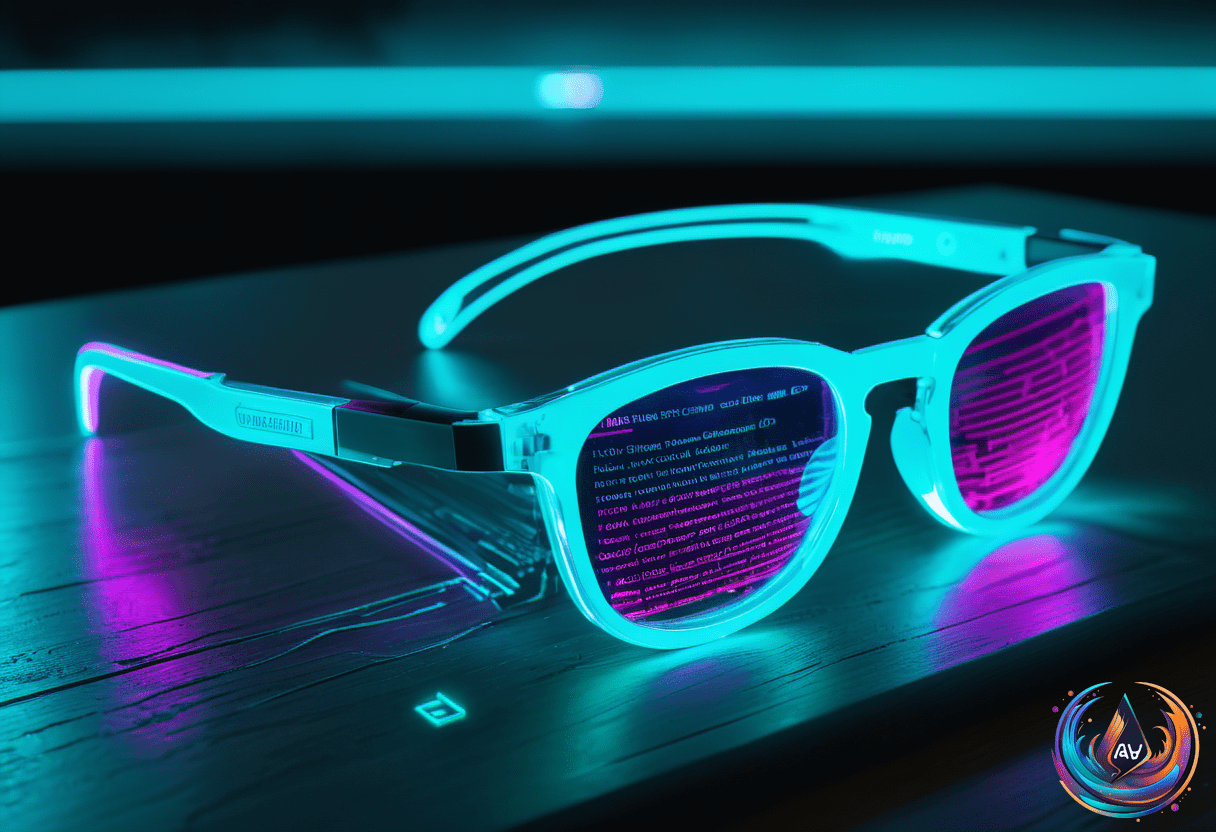
Meta’s Smart Glasses Spark Privacy Fears with Hidden Facial Recognition
 25
25Meta has quietly added facial recognition code to its smart glasses app. This code is not active yet, but it’s already inside the app millions use. The system, called “NameTag,” can turn faces into unique biometric signatures, or “faceprints.” These faceprints can be matched against a database stored on the user’s phone.
The app is needed to run Meta’s Ray-Ban and Oakley smart glasses and has over 50 million downloads. Some of the technology was added as early as January 2026. The system detects faces, crops them, converts them into biometric data, and alerts the wearer when it recognizes someone.
This discovery has raised alarms. Facial recognition is a hot-button issue because it can invade privacy and lead to misuse. Meta itself has a complicated history with this tech. In 2021, it shut down a major facial recognition system on Facebook and deleted over a billion faceprints. This followed a $650 million settlement over biometric privacy claims. Then in 2024, Meta agreed to a $1.4 billion settlement with Texas on a similar issue.
Why the Hidden Code Matters
The fact that Meta included this code in a widely used app worries many. It shows the company is exploring facial recognition for smart glasses, even though it hasn’t launched the feature. The code is dormant, meaning it’s not active or sending data back to Meta’s servers. But the technology is almost ready to run.
The key concern is consent. If the glasses scan faces in public, the people being scanned don’t get a say. They have not agreed to be identified or tracked. Even if the data stays on the user’s phone, it still captures private biometric information without clear permission from those being watched.
Meta says it is not building a central face database. It claims any future launch would be transparent and thoughtful. But privacy experts argue that local storage isn’t enough. The risk of misuse and abuse remains high. More than 70 organizations, including the ACLU, have asked Meta to drop the feature entirely.
Wearables and the Battle Over Privacy
Smart glasses offer real convenience. They can remember people, help visually impaired users, and provide instant context in social settings. But the same features can turn devices into silent surveillance tools. Cameras on glasses point where the wearer looks, making it hard for others to know when they’re being recorded or identified.
Public trust is fragile. Early products like Google Glass faced backlash because people feared being watched without consent. Meta needs to tread carefully. If consumers start viewing smart glasses as spying devices, adoption will stall. Businesses and public places might ban them outright.
Meta’s internal discussions show it considered timing the feature’s launch during a politically chaotic period. This suggests the company knows the backlash could be strong. The challenge is balancing innovation with respect for personal privacy and social norms.
The technology is powerful, but it raises tough questions. Should anyone be identified in public without their knowledge? How will biometric data be protected? Will users have control over who appears in their database? These questions remain unanswered.
Meta still has options. It can remove the dormant code, require clear opt-in from users, and develop visible signals to alert others when facial recognition is active. Transparency and consent will be critical if this technology ever rolls out.
For now, the feature is off. But the presence of the code means the conversation about privacy and wearable AI is far from over. How Meta handles this will shape the future of smart glasses and the trust consumers place in AI-powered devices.
Based on
- Meta Furious Over Bombshell Smart Glasses Revelation — futurism.com
- Meta Adds Face-Recognition Code to Smart-Glasses App | Let’s Data Science — letsdatascience.com
- Meta’s smart glasses now carry a bigger biometric risk – Startup Fortune — startupfortune.com
- Meta’s Smart Glasses Contain Secret Surveillance Code – indonesiakini — indonesiakini.id
- Facial recognition tech discovered in Meta smart glasses app years after 2021 shutdown – Gizmochina — gizmochina.com

















What do you think?
It is nice to know your opinion. Leave a comment.