









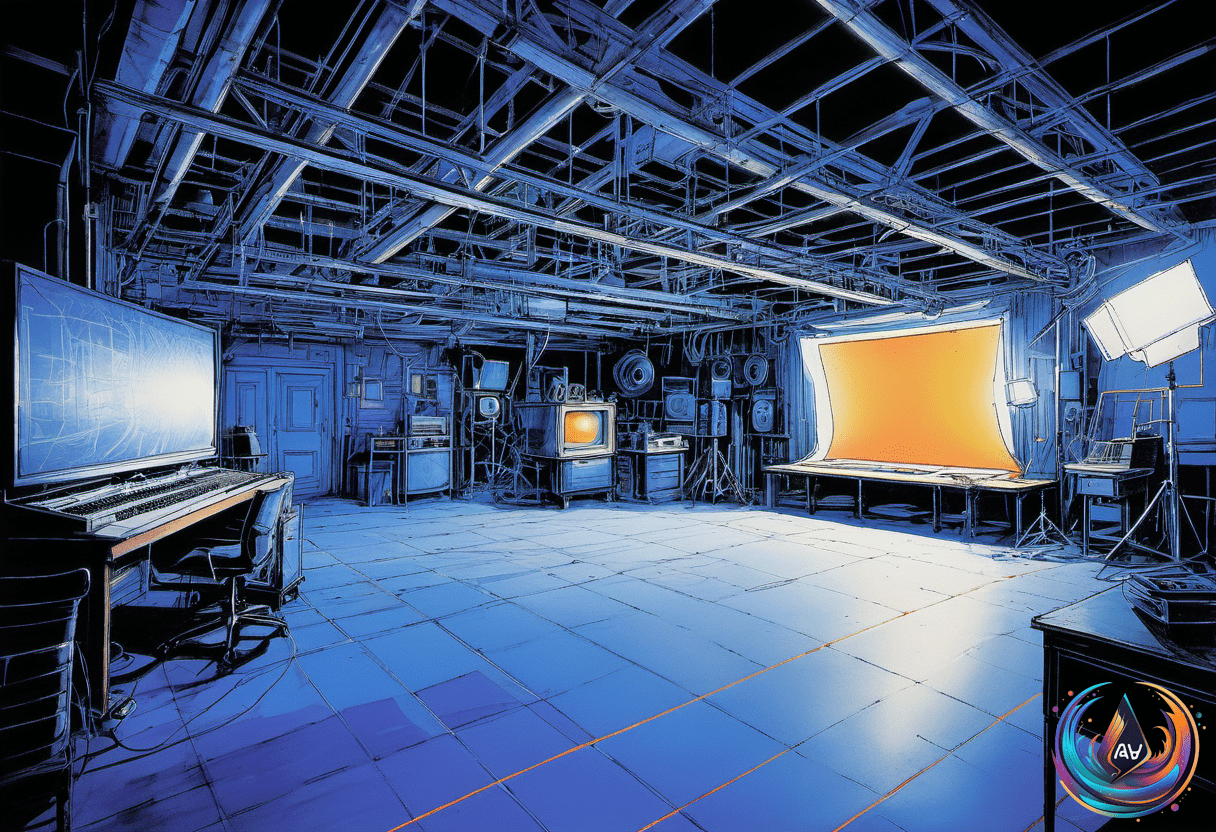
Hollywood’s AI Takeover and the Creators Fighting Back
 21
21Hollywood is not over — it’s changing, and not everyone is thrilled. The old guard wrestles with AI reshaping movies from script to screen. Low-budget horror films are beating big-budget franchises, signaling a seismic shift in audience taste and industry power.
AI is no longer sci-fi hype. Studios like Netflix, Disney, and Amazon use AI tools to analyze scripts, predict hits, and even de-age actors. Deepfake technology has moved from novelty to norm, enabling filmmakers to resurrect or digitally alter performers. This cuts costs and production time but stirs fierce debate over creativity, authorship, and job security.
Writers and actors worry AI will replace them or dilute their craft. Studios see AI as a way to hedge bets and squeeze more from every dollar. Scriptwriting algorithms scan thousands of screenplays to forecast box office success, pushing Hollywood toward formulaic storytelling. Yet, audiences reject soulless CGI spectacles, craving authenticity and originality.
That craving fuels the rise of indie films and creator-driven stories. Horror hits like “Obsession” and “Backrooms” prove smaller, riskier projects resonate more than franchise fatigue. Talent is seizing control, bypassing traditional studios and greenlight gatekeepers. This revolt upends decades-old power dynamics between corporate suits and artists.
Gen Z fuels this revolution. They reject polished, corporate content in favor of raw, unfiltered narratives. Their peer-to-peer culture turns them into critics, curators, and creators, forcing Hollywood to adapt or lose relevance. This demographic’s demand for realness drives a renewed focus on analog filmmaking techniques and human storytelling.
AI’s Double-Edged Sword in Filmmaking
AI enhances visual effects and sound design, making blockbusters more immersive. Disney’s FaceDirector software and other tools streamline CGI, creating realistic scenes faster and cheaper. Yet, this efficiency comes with ethical dilemmas. Deepfakes, for example, raise questions about consent and authenticity. Can digital replicas replace actors without eroding trust?
Production processes are also evolving. AI tools help studios cast roles by predicting audience appeal and streamline marketing by tailoring promotions to viewer preferences. This data-driven approach refines decision-making but risks homogenizing films into formulaic products designed to please algorithms rather than people.
Meanwhile, documentaries and indie films grapple with these changes differently. AI-powered storytelling explores complex topics like technology’s impact on society, as seen in recent AI-themed documentaries. These projects spark essential conversations about humanity’s future amid rapid automation.
The low-budget horror surge and indie comedies’ modest success show audiences crave fresh voices. Films outside the blockbuster system tap into niche markets ignored by sprawling franchises. This signals a cultural shift where diversity of stories matters more than scale or spectacle.
Hollywood stands at a crossroads. AI offers tools that can revolutionize filmmaking or homogenize it. Creators fight to retain control and keep art human in a world leaning on machines. The future belongs to those bold enough to blend technology with soul, not those betting solely on code.
The studio monopoly is cracking. Audiences reward authenticity over polish, risk over formula. The question is not if AI will change Hollywood but how much humanity it leaves behind.
Based on
- It’s So Not Over for Hollywood (with Devindra Hardawar) — 404media.co
- Hollywood Is Using AI – Like It Or Not – Infralog — infralog.in
- Hollywood’s Revolution: How Artists are Taking Control of Their Destiny (2026) — korekom.org
- AI is Directing Movies – Hollywood is Changing! — influxgallery.com
- Bollywood Blockbuster Breaks Records: Dhurandhar’s Success and Indie Gems (2026) — studiocelanie.com
















What do you think?
It is nice to know your opinion. Leave a comment.