









Theker’s $85M Bet on Robots That Do It All
 30
30Theker just raised $85 million to build robots that don’t settle for one job. Factory floors have long relied on specialized machines programmed for single tasks. Theker wants to change that.
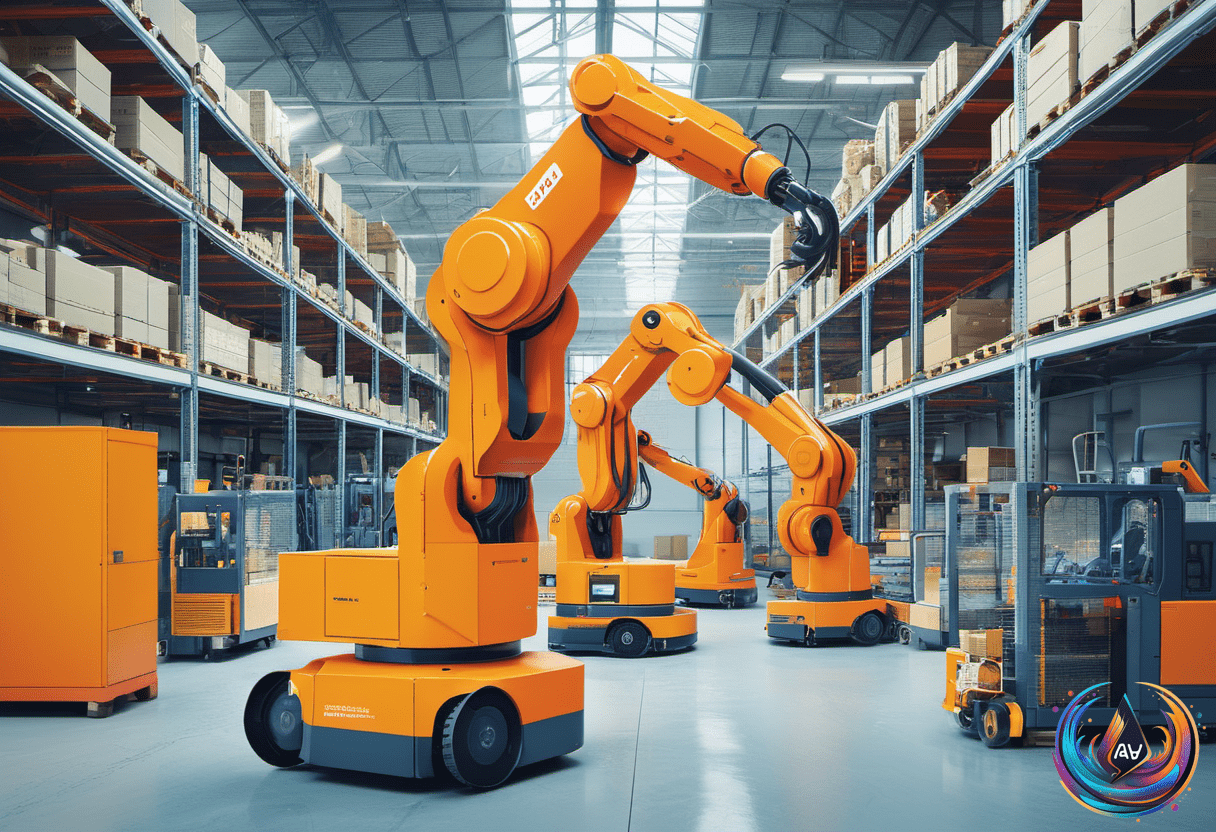
Founded in Barcelona in 2022, Theker designs modular robots. Their arms, hands, and even body shapes can be swapped out depending on the job. Sorting packages one day, packing clothes the next, handling bottles after that. Flexibility is the whole point.
Traditional industrial robots are rigid. Programmed to repeat one action endlessly, they break if the workflow changes. Reprogramming takes weeks and costs a fortune. Small and mid-sized manufacturers often avoid automation altogether because of this.
Theker’s approach cuts through that problem. Their robots use AI-powered vision and real-time learning to adapt on the fly. No more waiting for engineers to tweak code for every new product or package shape. They roll out ready to work and adjust as needed.
This generalist design attracted big names. Inditex, Zara’s parent company, is an early customer. They face constant variability in fashion logistics — seasonal changes, mixed sizes, returns. Theker’s robots already operate in Inditex’s warehouses.
Samsung and LVMH also joined the Series A round, signaling industry confidence. Samsung is in talks to become a customer too, aiming to integrate Theker’s tech into its manufacturing operations. LVMH sees potential for automating packaging and logistics in luxury goods production.
Theker raised more than double its original target. Led by U.S. venture firm CRV, the round also includes Cathay Innovation, Henkel Ventures, and others. It’s Europe’s largest robotics Series A to date, a milestone for the continent’s robotics scene.
The company plans to expand beyond retail logistics into heavier manufacturing. Factories with complex, manual tasks pose the biggest challenge for traditional robots. If Theker’s machines prove they can adapt at scale, they could disrupt decades of automation norms.
Theker skips pilot projects. They go straight to operations and logistics departments where deals close and timelines matter. They have a showroom in Barcelona to demo robots live and plan to open more in Europe, the U.S., and Asia.
Hiring is ramping up. Theker has sifted through 15,000 job applications and expects to grow its team to around 120 by year-end. They focus on software, electronics, mechanical engineering, and deployment experts.
This investment reflects a broader shift. Manufacturers want flexible automation — robots that handle mixed products and changing lines without costly downtime. Theker’s AI-driven, modular robots aim to be that solution.
The question now is execution. Can Theker’s machines deliver on the promise beyond retail logistics? The capital and strategic backers say yes. Factories will be the ultimate judge.
Based on
- Theker just raised $85M to build the factory robot that doesn’t specialize in anything — techcrunch.com
- Theker Raises $85M To Build Factory Robots That Don’t Specialize In Just One Task — bitcoinworld.co.in
- Barcelona startup THEKER closes Europe’s largest robotics Series A with $85 million – Startup Fortune — startupfortune.com
- Theker raises €85m Series A led by CRV | Let’s Data Science — letsdatascience.com
- Theker raises $85 million to push smart robots into industry — newsbytesapp.com

















What do you think?
It is nice to know your opinion. Leave a comment.