









AI at Work—Empowerment or Surveillance State in Disguise
 14
14AI is no longer a distant threat to jobs. It is already reshaping workplaces—sometimes for better, often for worse.
For some workers, AI acts like a helpful assistant. It speeds up routine tasks, boosts productivity, and frees time for creativity. Analysts, consultants, and managers in better-paid roles often benefit from AI tools that augment their skills.
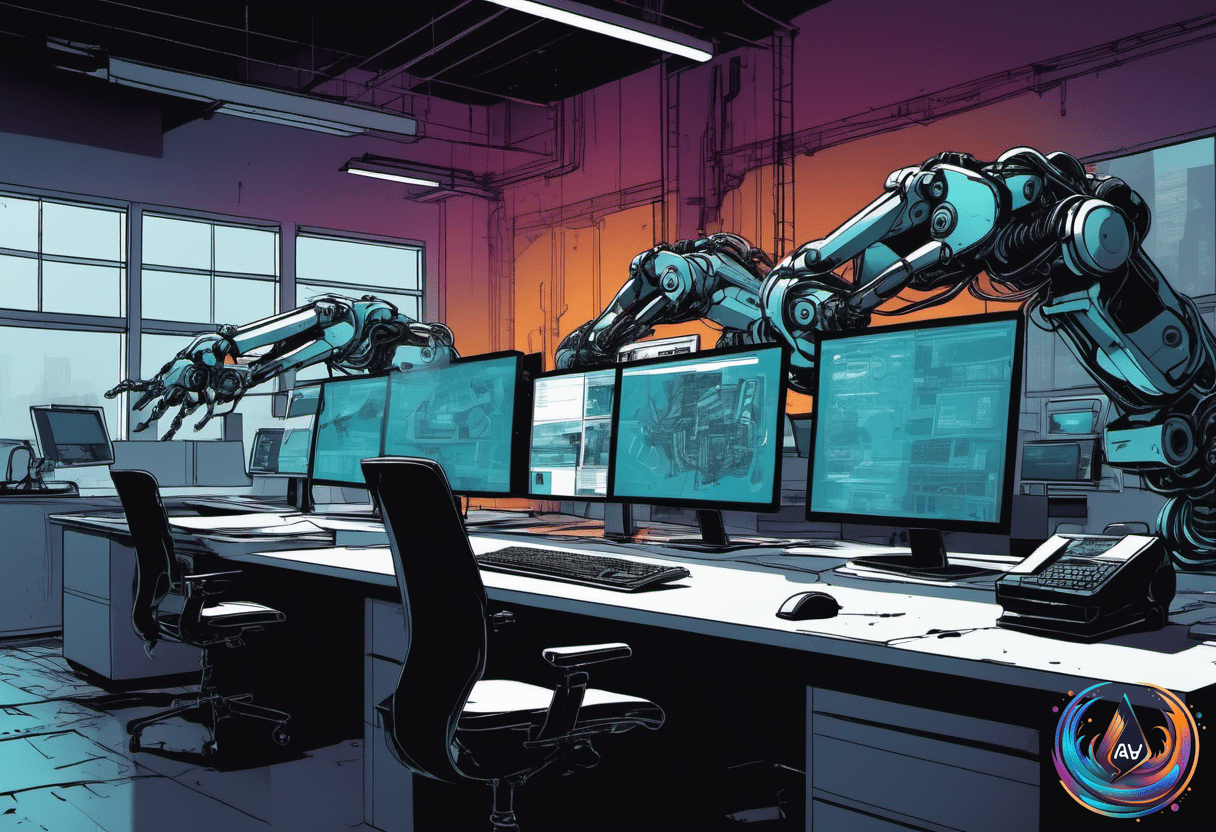
But for many others, AI is less a partner and more a ruthless overseer. Automated scheduling, performance tracking, and surveillance software now dictate who works, when, and how fast. This “bossware” watches keystrokes, mouse movements, and even breaks, tightening control over lower-paid, lower-autonomy jobs.
This divide is the real story of AI at work. It’s not about mass job loss. It’s about who gets to use AI as a tool—and who is managed by it as a machine.
Workplaces using AI for surveillance are growing. One in three UK employers already monitor workers through digital tracking. Gig economy platforms, warehouses, and delivery services lead the trend. But corporate offices, hospitals, and schools are next.
This creates a paradox. AI raises productivity for some while crushing autonomy and dignity for others. Work is more pressured and fragmented. Mental health suffers when every action is measured by opaque algorithms that workers cannot challenge.
Adding insult to injury, many companies talk a big game about AI skills training. Yet few invest enough resources to prepare their staff properly. Managers often lack clear responsibility to help teams adapt. Without training and transparent governance, AI risks hardening workplace inequalities.
There’s also a broader question about what tasks AI should perform. Just because a robot can do something doesn’t mean it should. Empathy, humor, judgment—these human qualities still outperform machines in countless roles. A robot magician can’t engage an audience emotionally. A robot carer can’t replace a nurse’s compassion.
Automation also brings ethical headaches. Some tech firms exaggerate AI capabilities, hinting at sentience to hype products. This misleads the public and regulators. AI isn’t conscious. It’s code. Misrepresenting it fuels misplaced trust and dangerous deployments.
The regulatory framework is patchy. Agencies warn about deceptive AI claims, but rules lag technology. Without strong laws, automated systems risk bias, unfairness, and unchecked surveillance. Who is accountable when AI makes the wrong call? Developers? Companies? Machines?
Workforce displacement is real and ongoing. Millions of routine jobs face automation. But the bigger problem is the uneven spread of benefits. Corporations pocket efficiency gains, while displaced workers and vulnerable communities bear the cost.
Some countries show a better approach. In Sweden, unions and employers negotiate AI deployment to protect workers. Hollywood writers used their leverage in strikes to control AI’s role in creativity. But most workers lack such power. Governments must set clear boundaries.
AI’s future at work depends on choices made now. Will society accept workplaces where machines monitor and pressure employees relentlessly? Or will workers gain a voice in how AI shapes their jobs?
Training workers in AI is critical—beyond just technical skills. Judgment, communication, and critical thinking matter even more. AI should augment human potential, not erode it.
Ultimately, AI at work is a test of values. Efficiency alone won’t do. Fairness, dignity, transparency, and accountability must shape the AI revolution. Otherwise, the promise of AI will become a new form of control.
Based on
- Elon Musk and co may relish march of the robots but there must be AI boundaries in the workplace | Heather Stewart — theguardian.com
- Economists Weigh In on the Future of Work and AI – The Nation Times — thenationtimes.com
- The Role of Automation in Shaping Future Work Environments — beepboopnews.com
- My Press – United Kingdom – The Independent – Five workplace skills humans still perform better than AI, according to experts — mypresstoday.com
- Forget the AI job apocalypse. AI’s real threat is worker control and surveillance | The Guardian Mirror — thefappeningnewz.pages.dev
















What do you think?
It is nice to know your opinion. Leave a comment.