









How L’Oréal Uses AI to Transform Digital Advertising
 280
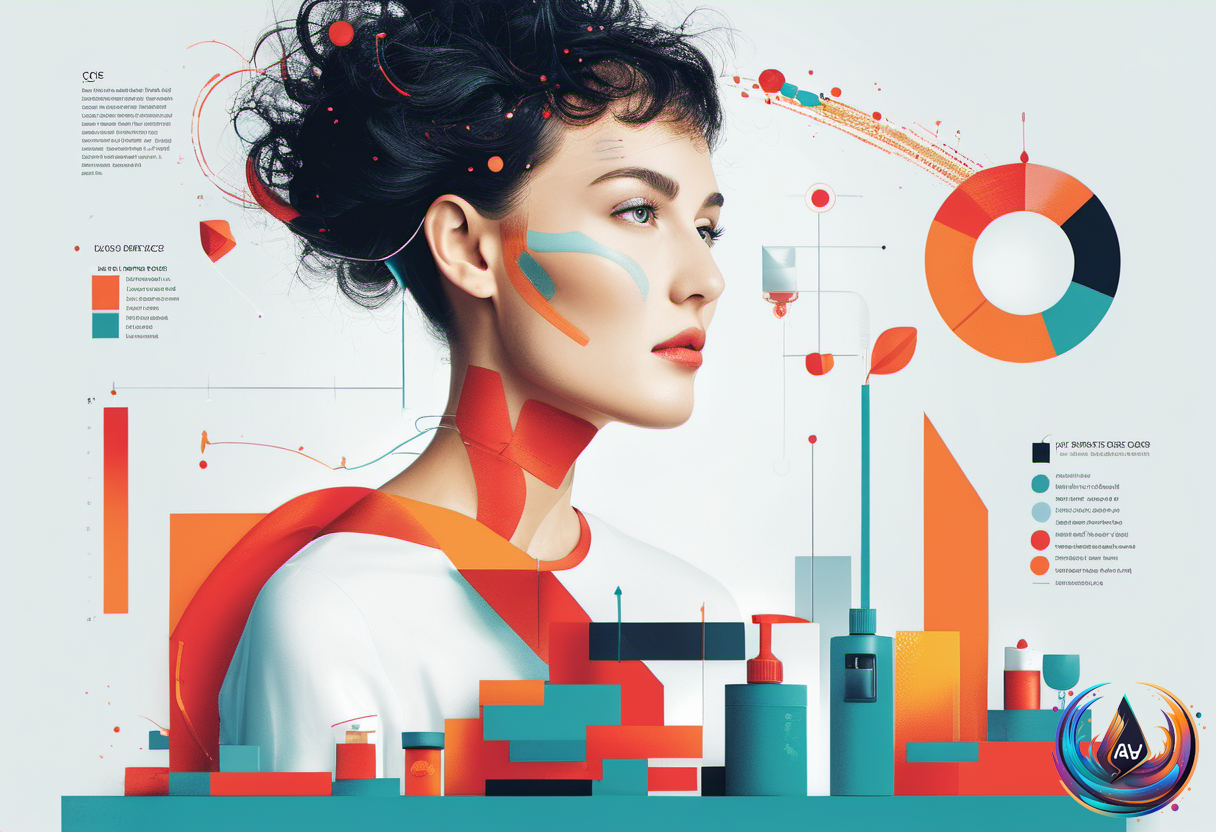
280Creating digital ads at a global level has shifted from focusing on a few standout campaigns to producing large volumes quickly and consistently. For big brands operating in many countries, the challenge isn’t just about being creative but also about keeping content flowing without costly, time-consuming production cycles. To tackle this, some companies, including L’Oréal, are exploring how artificial intelligence can support everyday marketing tasks. Their goal isn’t to replace creative teams but to make content production smoother and faster, especially for digital channels that require frequent updates.
Scaling Content Without Increasing Production Efforts
For a worldwide beauty leader like L’Oréal, digital advertising isn’t just seasonal; it’s a continuous effort. Content needs to be tailored for social media, online stores, and regional markets, often with small tweaks in language, format, or visuals. Traditional methods involve extensive planning, filming, editing, and approvals for each new piece of content. This process can be slow and expensive, making it hard to keep up with the fast pace of digital marketing.
AI tools are changing this by allowing teams to reuse existing images and videos and adapt them into new formats quickly. At L’Oréal, AI is used to generate or modify visual content to fit specific digital platforms. This includes polishing footage, changing formats, and creating different versions for various channels. Human teams still oversee the creative direction and approve the final content, but AI speeds up the entire process from idea to delivery. The main benefit isn’t creating something entirely new every time but producing enough adaptable content to meet the demands of digital advertising.
Keeping Creative Control and Managing Brand Risks
One reason big brands are cautious about AI in creative work is brand safety. Visuals, tone, and messaging are carefully regulated, and small errors can become big issues when content is distributed widely. Instead of handing over creative decisions entirely to AI, companies like L’Oréal use AI as a supporting tool. The AI-generated content is reviewed, adjusted, and approved through existing workflows, ensuring accountability remains with human teams and agencies.
This approach reflects a common pattern in enterprise AI adoption. Instead of changing how decisions are made, AI tools are integrated into existing processes to help with production tasks. In marketing, this means AI assists in creating and adapting content but doesn’t decide the brand voice or messaging. This method helps manage risks while still gaining efficiency and speed in content production.
By keeping control tight, L’Oréal and similar companies can enjoy the benefits of AI—faster turnaround times, lower costs, and more consistent output—while protecting their brand identity. This balance is key to adopting new technology without compromising brand integrity or customer trust.
The Financial and Strategic Benefits of AI in Digital Ads
Digital advertising budgets are under constant pressure. Media costs fluctuate, platform rules change, and consumers expect fresh content all the time. AI helps brands like L’Oréal respond to these challenges by reducing the marginal costs of content creation. Instead of scaling up production costs linearly, AI allows brands to generate more content with less effort and expense.
Furthermore, AI-driven content adaptation supports faster testing and optimization across different markets and platforms. Brands can quickly see what works, make adjustments, and roll out new variations without starting from scratch each time. This agility is crucial in today’s fast-moving digital landscape, where staying relevant often means being able to produce and update content rapidly.
Overall, integrating AI into the creative process offers a strategic advantage. It helps large brands maintain a high volume of quality content, meet tight deadlines, and keep their messaging fresh—all while controlling costs and safeguarding their brand image.














What do you think?
It is nice to know your opinion. Leave a comment.