Deepfakes
-
AI Ethics & Policy
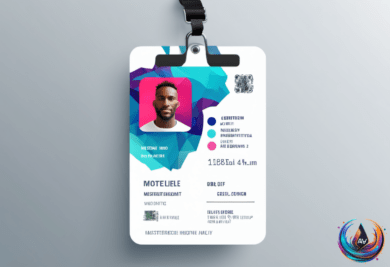
Instagram Tightens Rules Around Unlabeled AI Profiles
Instagram is putting unlabeled AI profiles on notice. On August 31, 2026, Instagram renamed its AI creator label to “AI-generated…
Read More » -
AI Ethics & Policy

AI Warnings Meet the Deepfake Problem
Artificial intelligence brings warnings with consequences. The podcast examines concerns about AI, including Eliezer Yudkowsky’s warning about the dangers tied…
Read More » -
AI Ethics & Policy
Why Actors Are Demanding Legal Protection From AI Voice Cloning
Nicola Coughlan and Matt Lucas are among the actors backing a campaign to challenge the growing use of artificial intelligence…
Read More » -
AI Ethics & Policy

Stars Rally Behind Fight to Protect Human Voices From AI Cloning
Nicola Coughlan and Matt Lucas are among the actors backing a campaign to stop artificial intelligence from cloning human voices…
Read More » -
Future of Work
Yardstik Bets $30 Million on Continuous Workforce Trust
Yardstik just put $30 million behind a harder hiring problem. The workforce technology company raised a Series B led by…
Read More » -
AI in Education
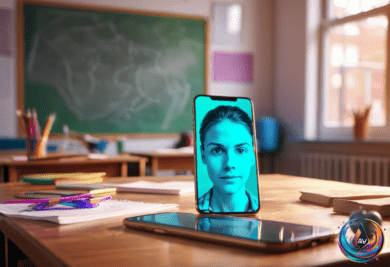
When Deepfakes Follow Teachers Into the Classroom
For Luis DeSantiago, a substitute teacher in Los Banos, California, a message on March 12, 2026, turned a familiar social…
Read More » -
AI News & Trends

Three Years In, 404 Media’s Independent Voice Keeps Expanding
Tomorrow marks the third anniversary of 404 Media’s launch, a milestone for the independent media company and the four technology…
Read More » -
AI Ethics & Policy

Grok Lawsuits Put AI-Generated Child Abuse Images Under Scrutiny
Grok is facing a growing legal crisis over allegations that its AI systems generated child sexual abuse material and nonconsensual…
Read More » -
AI Ethics & Policy

Grok Lawsuits Put AI-Generated Child Abuse Images Under Scrutiny
Multiple lawsuits against xAI and its Grok chatbot are accusing the artificial intelligence system of creating and spreading child sexual…
Read More » -
AI Ethics & Policy
Google Opens the Door to Removable AI Watermarks
Google is giving people more control over visible marks on AI-generated content. In the coming days, users will be able…
Read More »