









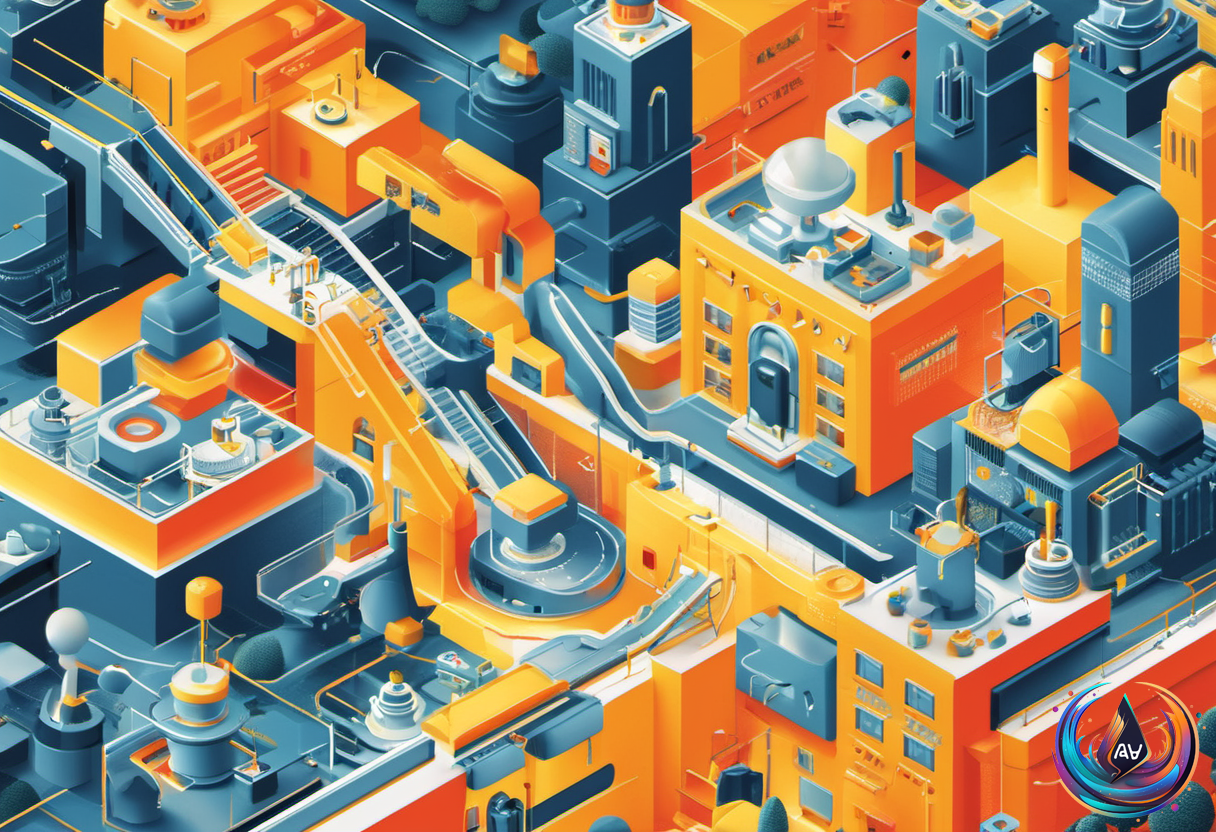
How Automation Is Reshaping ITSM in 2026
 212
212Automation is revolutionizing how IT service management (ITSM) works today. It’s shifting service desks from manual, reactive processes to smarter systems that can automatically handle issues, prioritize tasks, and even resolve problems with little human input. Recent studies show that IT workers spend nearly seven hours each week dealing with disconnected tools and complicated workflows. Using automation in ITSM helps cut down on manual work, speeds up issue resolution, ensures consistent quality, and enables proactive problem prevention. As hybrid setups, distributed teams, and higher service expectations become standard, automation needs to be integrated into every step—from handling incidents and requests to managing assets and changes—to truly make a difference.
The Role of Automation in Streamlining IT Operations
Automation makes the entire IT service lifecycle more efficient through event-driven workflows, smart triage, and rules-based actions. Routine tasks like creating tickets, categorizing issues, and administrative chores can be automated to be executed quickly, predictably, and without errors. This means faster response times and more reliable service delivery. Key features include automated workflows that route and escalate tasks based on set rules, quick ticket creation and assignment, SLA monitoring that tracks deadlines and triggers alerts, and automated responses to system alerts and performance issues. These capabilities help IT teams deliver faster, more consistent support across all operations.
By automating repetitive tasks, IT teams can focus more on strategic work instead of getting bogged down in routine activities. This not only improves efficiency but also boosts employee and end-user satisfaction as problems are solved faster and more accurately. Automation becomes the backbone for smoother, more proactive IT management, especially as infrastructures grow more complex and distributed.
Five Key Areas Transformed by Automation in ITSM
One major area impacted by automation is incident and request management. Automating ticket creation, classification, and assignment speeds up response times. Systems can suggest solutions from knowledge bases, send automatic status updates, and notify users when issues are resolved. This leads to quicker resolution times and less manual effort for support teams. In addition, automated workflows help prioritize issues based on impact and urgency, ensuring critical problems are addressed first.
Another vital area is change and release management. Automation helps standardize approval processes and reduces risks through preconfigured workflows. It can automatically assess the impact of changes, route them to the right approvers, and handle deployment tasks without manual intervention. This speeds up updates and minimizes downtime, making change management safer and more predictable.
Asset and configuration management also benefit greatly from automation. ITSM platforms can automatically discover assets, keep inventories updated, and ensure compliance. Continuous monitoring detects hardware and software drift, triggering alerts when configurations go out of line. This keeps asset data accurate and helps prevent issues before they impact operations.
SLA compliance and governance are critical for maintaining trust and quality. Automated timers and escalation rules ensure deadlines are met, while auto-remediation can fix problems before SLAs are breached. Processes become more consistent and auditable, making it easier to demonstrate compliance and improve governance practices.
Finally, automation helps coordinate workflows across different departments like HR and facilities. Tasks such as onboarding new employees, offboarding, access provisioning, and multi-step request fulfillment are streamlined. This cross-department orchestration reduces manual handoffs, speeds up processes, and enhances overall service delivery.
Artificial intelligence (AI) is further accelerating these automation efforts. AI tools can analyze patterns, predict issues, and suggest proactive solutions, making ITSM even smarter. As AI continues to evolve, it will deepen automation’s role in creating a more responsive, efficient, and user-centric IT environment.
















What do you think?
It is nice to know your opinion. Leave a comment.