









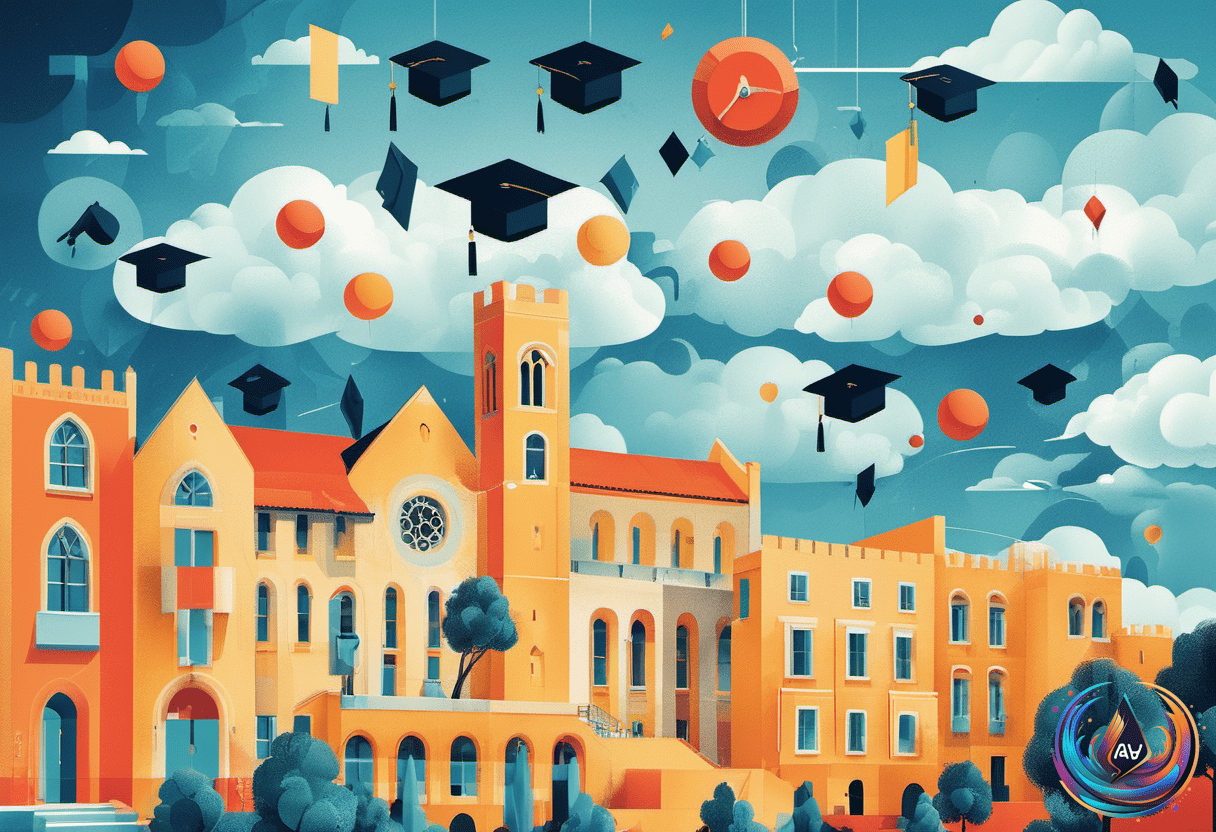
Graduation Speech Backlash Highlights AI Anxiety Among Students
 24
24Eric Schmidt, former Google CEO, faced boos during a recent graduation speech at the University of Arizona. The reaction came when he spoke about artificial intelligence and its impact on the future workforce. The crowd of around 10,000 students voiced clear anxiety about AI’s role in their lives.
Schmidt traced the rise of technology from laptops to smartphones and social media. He said these tools were meant to connect people and grow knowledge. But he also admitted they sometimes isolated us or fractured public conversations. His words struck a nerve with the young audience.
When Schmidt mentioned AI’s growing influence, the boos grew louder. He acknowledged their fears, saying, “I know what many of you are feeling.” He described a sense of a future already written, where machines take over jobs and society faces serious challenges. Schmidt told students those fears were rational and urged them to shape AI’s development instead of letting it shape them.
This was not an isolated reaction. Just days earlier, a real estate executive at the University of Central Florida was also booed for calling AI the “next Industrial Revolution.” Students there showed frustration about living in a time of rapid, uncertain change. The mood around AI seems tense across universities.
Why Are Students So Worried About AI?
Many young people see AI as a threat to their job prospects. Studies show about half of Americans feel more worried than excited by AI’s rise. Students worry machines will replace their work before they even start their careers. They also worry about climate change and political instability, adding to their unease.
Still, some leaders paint a different picture. Nvidia’s CEO recently told graduates at Carnegie Mellon University that AI will create new jobs and industries. He said AI will change every profession but also open fresh opportunities. “AI is not likely to replace you,” he said, “but someone using AI better than you might.”
What Does This Mean for the Future?
Schmidt’s family office has invested in many AI startups, showing his belief in the technology’s potential. But his speech revealed a deeper tension. Young people want to embrace technology but fear it will leave them behind. They want a say in how AI shapes their lives.
This tension reflects a broader debate about AI’s role in society. It’s not just about jobs but also how AI affects privacy, politics, and daily interactions. The mixed reactions at graduations show that AI conversations need to address real fears and hopes. Otherwise, the divide between tech leaders and young people could grow wider.
Graduation speeches may be one of the first public signs of this divide. They reveal a generation ready to question AI’s promises and demand control over its future. How these conversations evolve will shape both education and technology in the years to come.
Based on
- Ex-Google CEO Eric Schmidt booed after AI remarks at Arizona commencement — theguardian.com
- Eric Schmidt booed during commencement speech over AI remarks – SiliconANGLE — siliconangle.com
- Ex-Google CEO Eric Schmidt mentions AI in graduation speech, gets booed by students – India Today — indiatoday.in
















What do you think?
It is nice to know your opinion. Leave a comment.