Future of Work
-
AI in Media & Entertainment

AI Pushes US Creative Jobs Into a Historic Downturn
Creative work is losing ground. The United States has lost more than 200,000 jobs in creative industries during the four…
Read More » -
Future of Work
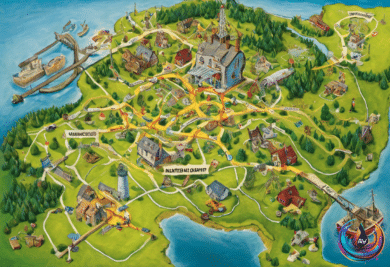
Keep Resource Ownership Clear Before the Last Day
Resource ownership needs attention before an employee’s last day arrives. The central task is clear: reassign resource ownership before that…
Read More » -
AI Ethics & Policy

AI Will Not Wait for Permission to Reshape Work
The replacement project is already underway. The AI industry is engaged in a quest to replace humans with AI systems,…
Read More » -
AI Agents & Automation

The Digital Coworkers Moving Into Offices Right Now
In the coming months, hundreds of thousands of brand-new coworkers will enter the workforce. They will not be human, but…
Read More » -
Future of Work

The Hidden Cost of AI at Work Is Coming From Workers
Workers in the UK are spending their own money to bring generative AI into their jobs, even as companies adopt…
Read More » -
Future of Work

Why 2026 Tech Layoffs Are Arriving in Sudden Waves
U.S. tech layoffs have already passed last year’s pace, but the pattern has not been a steady stream of cuts.…
Read More » -
AI News & Trends

Generation Alpha Has Turned AI Into a Synonym for Bullshit
AI has become an insult. Generation Alpha has adopted “That’s so AI!” to describe anything inauthentic, unbelievable, rubbish, or simply…
Read More » -
Consumer Technology

The Smart Desk Setup That Brings Every Screen Into Focus
Where should your monitor sit? The answer starts with a simple measurement, but screen size, resolution, viewing angle, and even…
Read More » -
Robotics & Autonomous Systems
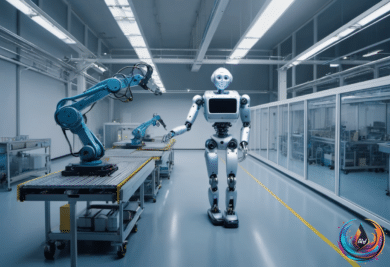
Humanoid Robots Move From Factory Floors Toward Everyday Work
Humanoid robots are moving into a new phase, with companies focusing not only on building machines but also on preparing…
Read More » -
Robotics & Autonomous Systems
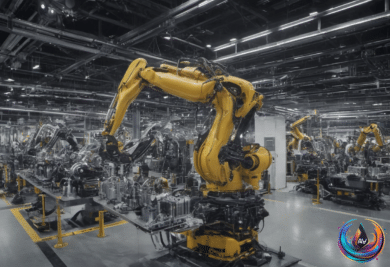
Toyota’s Robot Surge Could Reshape Factory Automation by 2028
Toyota is putting a huge number on the future of factory automation: around 400,000 robots and about 1 trillion yen…
Read More »