









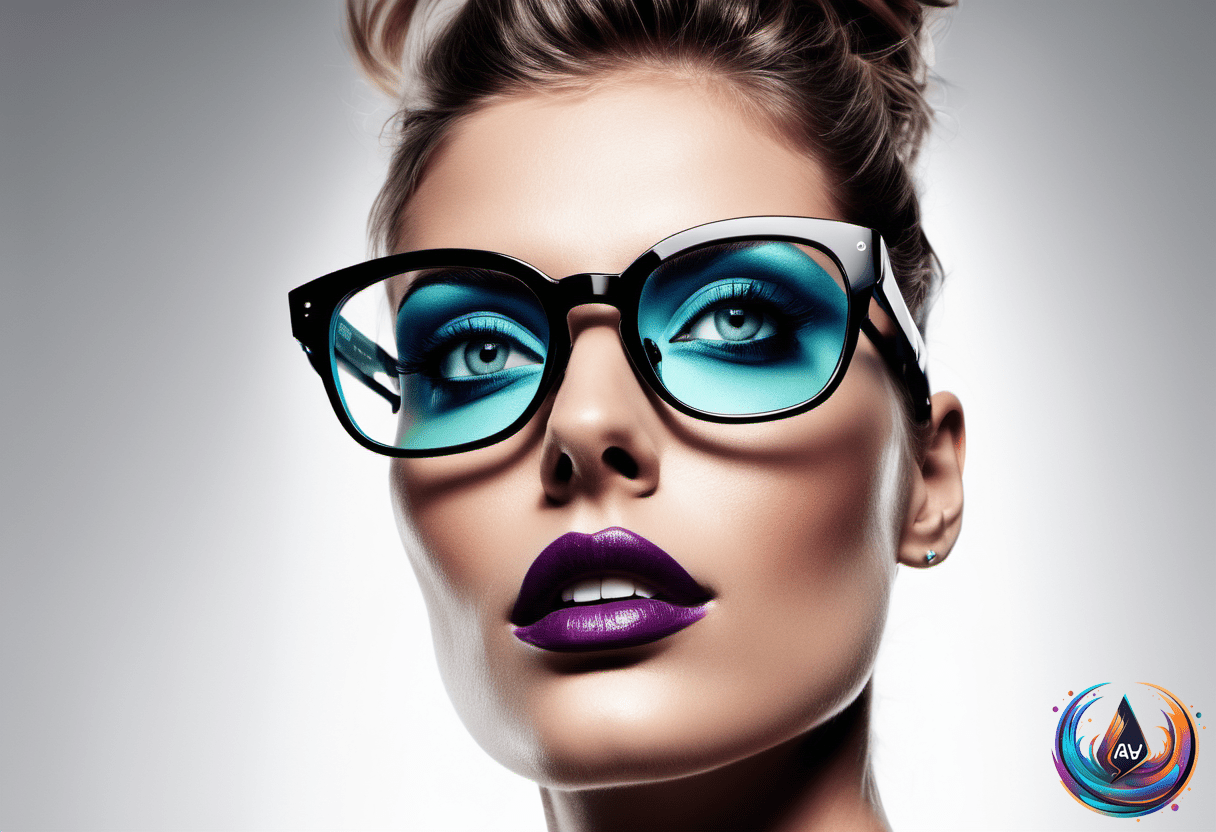
Apple’s Smart Glasses Set to Shake Up the Eyewear World
 22
22The smartwatch revolution was just the beginning. Apple didn’t just enter the watch market—they crushed the middle tier. Swatch’s revenue plunged 28%, Fossil’s sales crashed 70%. Apple rose to become the biggest watchmaker by units and revenue. Now, Apple is gearing up to repeat this playbook in a $200 billion arena: eyewear.
Imagine millions of people replacing their regular glasses with smart glasses. Apple is betting big on this. The company plans to unveil its first smart glasses by late 2026 and launch them commercially in 2027. These won’t be bulky headsets or clunky devices. They’re designed as lightweight, stylish glasses that people will want to wear all day.
Smart Glasses Designed Like Real Glasses
Forget ski-goggle style headsets. Apple’s smart glasses will look like traditional eyewear. Four different frame styles are in testing, including shapes similar to what Apple’s CEO Tim Cook wears. The frames use premium acetate, a material known for high-end sunglasses. Apple wants these glasses to feel natural and comfortable, not techy and heavy.
- Lightweight design targeting under 50 grams for all-day wear
- No in-lens display in the first generation—information comes through audio
- Dual cameras embedded discreetly for photos, videos, and environmental understanding
- Built-in speakers and microphones for calls, commands, and ambient sound
- Compatible with prescription lenses, expanding appeal to millions who need vision correction
This audio-first approach avoids the weight and battery drain of a built-in display. Visual cues come through Siri’s upgraded voice, activated by a new AI system Apple calls Apple Intelligence. Apple’s smart glasses will be more like AirPods than standalone computers, tethering to your iPhone for heavy computing.
Apple Intelligence and AI Power the Experience
The real magic is in the software. Apple is combining on-device AI with a new, powerful Siri powered by Google’s Gemini language model. This combo means smarter, more natural conversations with Siri. The glasses can recognize objects, read text, identify plants, translate languages in real time, and pull up info about what you’re looking at.
Imagine walking into a restaurant and instantly hearing reviews. Or seeing a foreign sign and getting an instant translation through your glasses. All this happens without pulling out your phone. It’s contextual computing—technology that understands your environment and helps you seamlessly.
- Apple Intelligence runs key AI tasks locally for privacy and offline use
- Gemini-powered Siri handles complex, multi-step queries and conversations
- Visual intelligence uses cameras to analyze surroundings and provide real-time insights
- Seamless integration with iPhone for calls, notifications, music, and navigation
- iOS 27 will include support and features designed for these smart glasses
This AI fusion could give Apple a unique edge. Google has Gemini but lacks Apple’s local AI depth. Meta leads in smart glasses sales but doesn’t have Google’s AI power or Apple’s ecosystem integration. Apple’s focus on privacy with local processing could win over millions worried about data security.
Why Now? The Race Is On
Meta’s Ray-Ban smart glasses sold over 7 million units in 2025. Google is launching Gemini-powered smart glasses in late 2026. The smart eyewear market is heating up fast. Apple paused work on its Vision Pro headset to focus on these lighter smart glasses. The company sees glasses as the next big hardware category after watches.
Apple targets the mass market, aiming for a price between $299 and $499. This puts the glasses directly against Meta’s Ray-Ban Gen 2 and places them in reach of everyday consumers. Apple aims to shift billions of people from traditional eyewear to smart versions embedded with AI.
But timing is everything. Every delay lets competitors gain ground. Meta already has retail partnerships and a big head start. Google’s Android ecosystem reaches more users globally than Apple’s iOS. Apple’s glasses depend on a revamped Siri and a perfect blend of design and tech. The company’s top leaders are behind the project, signaling it’s a top priority.
What’s Next? The Future of Wearables
Smart glasses could redefine how we interact with technology. They promise to replace many smartphone functions with a hands-free, always-available, context-aware assistant. Real-time translation, navigation overlays, instant notifications—without ever pulling out a phone. The line between digital and physical worlds will blur.
For Apple, the smart glasses are a new frontier. They could create a hardware category that dwarfs watches in size and revenue. The addressable audience isn’t millions. It’s billions. If Apple nails this launch, the eyewear market will never be the same.
The race is on. Apple’s smart glasses are coming. And they’re ready to change everything.
Based on
- Apple destroyed the mid-tier watch market. Now it’s coming for the $200 billion eyewear industry. — thenextweb.com
- Apple Smart Glasses: Everything We Know About Features, Release Date, and Price – Memeburn — memeburn.com
- No Vision Pro 2 Before 2028. Apple’s Focusing On Smart-Glasses Instead, says Gurman – Yanko Design — yankodesign.com
- The Tech War That Could End Smartphones As We Know Them – Newsy Today — newsy-today.com
- Smart Glass Market Size, Growth & Industry Update 2026 — nextmsc.com
- Smart Glasses Boom: AI Giants Drive Supply Chain Surge – GogoAI News — gogoai.xin

















What do you think?
It is nice to know your opinion. Leave a comment.