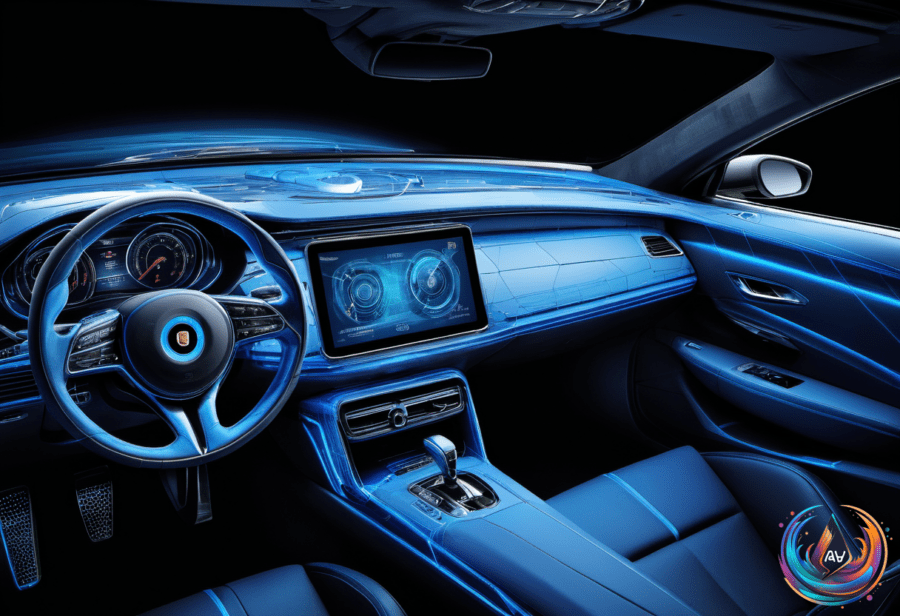
LG Electronics shares jumped nearly 24% in one trading session after unveiling a new automotive display system built on Google’s Android Automotive OS. This isn’t your usual hardware refresh. LG’s innovation uses a single chip to control multiple in-car displays with different sizes and shapes simultaneously.
Traditional car display setups need separate processors for each screen—dashboard, infotainment, and passenger displays. LG’s solution slashes that complexity and cost. Automakers can now deploy sophisticated multi-screen interiors without multiplying hardware expenses.
Android Automotive OS is no mere smartphone app extension. It’s a full operating system designed specifically for cars, letting drivers access navigation, music, and apps without tethering their phones. This independence appeals to automakers aiming to modernize cockpits and reduce development costs.
The global market for Android Automotive systems was valued at $895 million in 2025 and is projected to hit $2.14 billion by 2035. LG is positioning itself as a key player, leveraging its strength in vehicle displays and battery components. Adding software integration on top of hardware gives LG a competitive edge as automakers seek single suppliers to simplify their supply chains.
Investors reacted to LG’s announcement as a sign of a broader industry shift. Cars are becoming software platforms, not just mechanical machines. Legacy automakers struggle to develop proprietary operating systems. Android Automotive offers a ready-made ecosystem with Google Maps, Assistant, and now AI features like Gemini, all integrated seamlessly.
Why This Matters
LG’s single-chip multi-display system cuts costs and complexity, which is crucial as vehicles add more screens and digital features. This can improve reliability, reduce power consumption, and allow more flexible interior designs. Electric vehicles benefit from lower weight and better efficiency when hardware is streamlined.
The move reflects how the automotive supply chain is evolving. Companies like LG are capturing engineering roles automakers shed amid a shift to software-defined vehicles. This trend explains job cuts in Detroit’s Big Three and the rise of tech suppliers gaining influence.
Auto manufacturers face pressure to deliver connected, app-friendly vehicles without ballooning costs. LG’s innovation directly addresses that pressure. It enables faster integration of digital cockpits while preserving margins.
Still, the Android Automotive OS market remains small relative to LG’s total revenue. The stock surge prices in growth that still must materialize through contract wins and volume production. Adoption speed depends on how quickly automakers embrace this tech and consumer reception.
Google’s ongoing collaboration with LG signals confidence in this partnership. Together, they could accelerate the move toward software-first vehicles. For drivers, this promises more intuitive, safer, and personalized in-car experiences without relying on smartphones.
LG’s announcement is a reminder that the future of cars is digital. Horsepower and torque matter less than software integration and user experience. If LG can scale production and lock in automaker contracts, this share price jump might be just the beginning.
Based on
- LG Electronics stock jumped 24% in a day after unveiling Google-based car tech that cuts automaker costs — thenextweb.com
- LG Electronics Shares Surge on Google Automotive Tech Launch — capwolf.com
- LG Electronics India-parent shares surge 27% after showing automotive innovations via Google tech – CNBC TV18 — cnbctv18.com
- LG Electronics Shares Skyrocket 24% After Unveiling Revolutionary Google-Powered Automotive Tech! (2026) — jobsinireland.org
- LG Electronics shares jump after debut of Google-based car products – Femzen — femzen.co
- LG Electronics announces a series of new automotive technologies in collaboration with Google. — vietnam.vn