









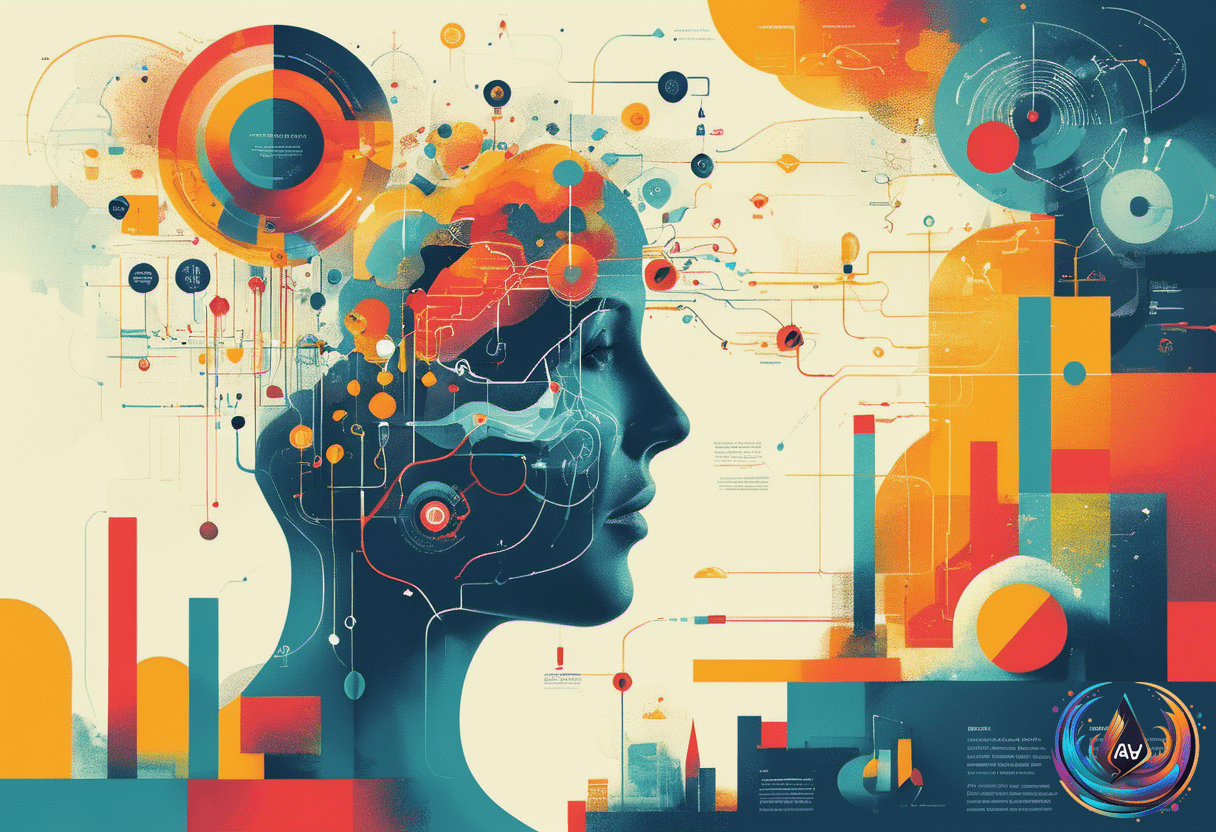
Measuring AI’s Hidden Impact on Our Minds and Lives
 15
15We spend a lot of time measuring how smart AI systems are. Researchers track their technical skills, speed, and accuracy. But one big question is missing: How does AI affect people?
AI tools are changing how we think, how we relate to others, and how we behave. Yet, no one is systematically measuring these effects. This gap is worrying because AI’s influence runs deep and personal.
Think about social media. For years, experts debated its harms on mental health and relationships. AI’s impact could be even bigger. It’s reshaping our minds and daily lives in ways we barely understand.
Why We Focus on AI Performance Over Human Impact
AI developers love showing off how well their models perform on benchmarks. They compete to build the fastest, smartest systems. These technical scores look impressive and attract investors and users.
But those tests don’t tell us if AI is helping people thrive or harming them. For example, there are reports of teenagers facing mental health crises linked to AI content. Some even experience AI-induced confusion or distress.
Despite these serious issues, the industry rarely measures how AI changes human well-being. We have data on AI’s abilities, but little on its effects on our cognition and emotions.
The Quiet Costs of AI on Human Thinking and Society
AI can make life easier by automating tasks and speeding up work. But there is a hidden price. Relying too much on AI might dull our minds. We risk losing creativity and the joy of discovery.
Writers worry AI will erode individuality. When machines churn out text, they mimic styles but don’t innovate. The unique voice shaped by experience and emotion fades. This loss affects more than art — it touches how we express ourselves.
AI also shapes political speech and public discourse. It often promotes bland, repetitive messages that reduce complex ideas to slogans. This narrows the range of opinions and stifles genuine debate.
Trust is another casualty. AI-generated content blurs the line between truth and fiction. People may grow skeptical of what they read or hear. If we can’t trust information, social bonds weaken.
What We Need: Measuring AI’s Social and Psychological Effects
To understand AI’s full impact, we need new measures. These should track how AI affects human behavior, mental health, and social connections. Psychosocial evaluation must become a standard part of AI assessment.
This would mean studying real-world outcomes, not just technical scores. For example, how does AI influence attention spans, empathy, or decision-making? How does it affect job security and income equality?
Governments and companies must step up. Right now, AI regulation is patchy and often lags behind technology. Without clear rules and ongoing oversight, harmful impacts can go unchecked.
Users also have a role. They should demand transparency about AI’s effects on daily life. Businesses should look beyond compliance to ensure their AI tools don’t harm people.
AI has enormous potential to improve health, education, and the environment. But we can’t ignore its risks. Measuring how AI changes us is key to steering the technology toward real human benefit.
Only by facing both the promise and the peril can we build a future where AI helps people flourish, not just machines succeed.
Based on
- Why Aren’t We Measuring How AI Affects Humans? — spectrum.ieee.org
- Why Aren’t We Measuring How AI Affects Humans? · shipfeed — shipfeed.fyi
- The Dark Side of AI: How Artificial Intelligence is Impacting Our World (2026) — avhcc.org
- How Are Recent AI Advancements Shaping Public Concerns About the Future of Work in 2026? – The Truth Index — ol.tb12367.com
- How AI delivers social impact beyond efficiency? – Sipoch — sipoch.com
- AI Governance Frameworks Face Jeopardy as Regulatory Gaps Become Apparent – The Truth Index — ol.tb12367.com














What do you think?
It is nice to know your opinion. Leave a comment.