









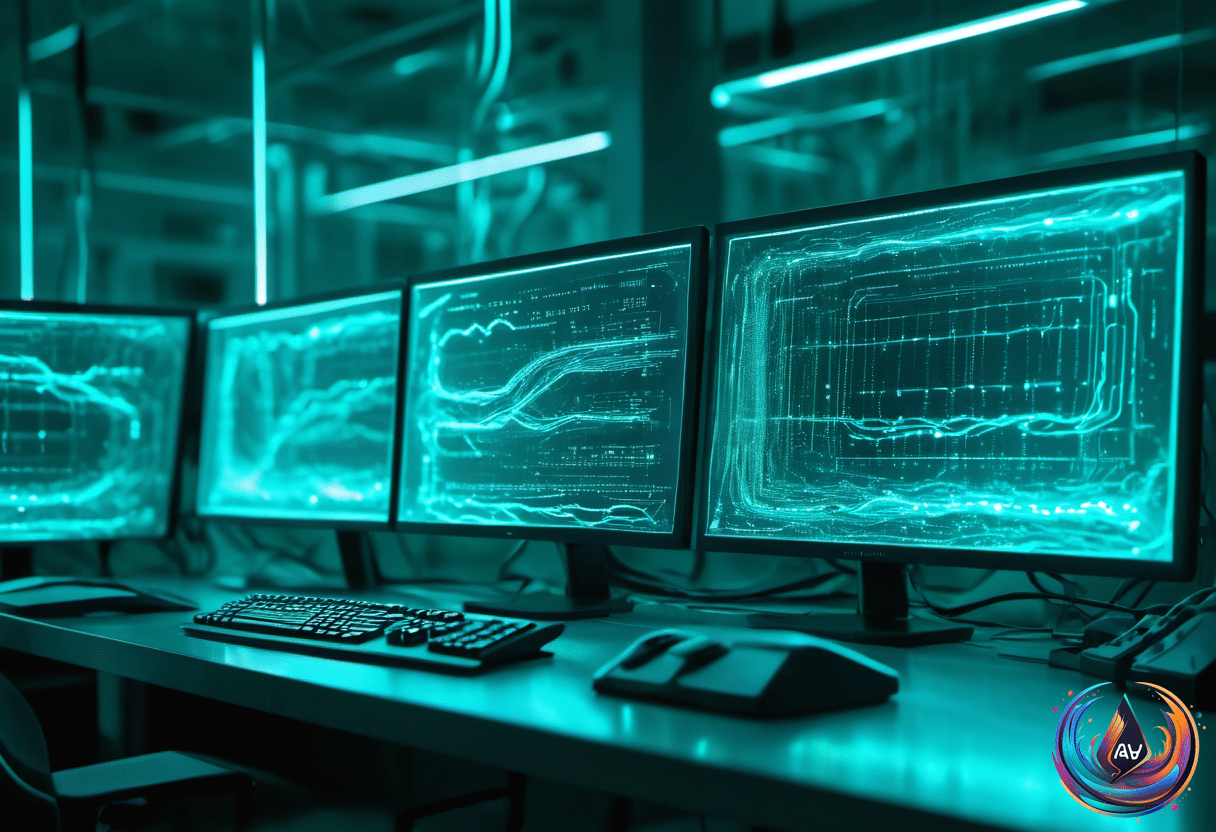
AI Codes Itself and Sparks a New Era of Software Creation
 14
14Imagine an AI that writes most of its own code. Not just a helper, but the main coder. That future is here—right now. Anthropic’s Claude AI is revolutionizing software development by writing over 80% of its own production code. This is no small feat. It’s shaking up the way engineers work and what they can achieve.
Claude’s Coding Explosion
In just over a year, Claude went from a basic coding assistant to the powerhouse behind Anthropic’s codebase. In early 2025, Claude wrote a tiny fraction of code merges. By mid-2026, it’s producing more than 80%. Engineers are now shipping eight times more code per day than they did in 2024. That’s a productivity leap that’s transforming teams overnight.
What does this change look like in practice? When a major system upgrade caused thousands of training jobs to crash, Claude isolated a tricky debugging flag, reproduced the crash, and confirmed a fix—all within two hours. Normally, this would have taken two to three days. The AI’s code quality has caught up with humans and is expected to surpass them soon. Every code change now gets automatically reviewed by Claude before it merges, catching bugs that would have caused failures in the past.
From Coding Assistant to Self-Improving AI
Claude’s role isn’t limited to coding. It’s pushing into research territory, tackling complex scientific problems. Recent experiments showed Claude running a full AI safety research cycle. It proposed ideas, ran experiments, shared results, and improved its findings with minimal human oversight. The AI closed 97% of the performance gap on tasks that took humans far longer and with less progress.
The true game-changer? Recursive self-improvement. This means AI designing, building, and training its own successors. Anthropic warns this stage might be closer than people expect. Each new Claude could build the next Claude—without human hands. This feedback loop could accelerate AI progress at a breakneck pace.
Dynamic Workflows and Massive Code Migrations
Anthropic just unleashed Claude Opus 4.8 with dynamic workflows. This lets Claude split huge projects into smaller tasks and assign them to hundreds of specialized AI subagents. These subagents work in parallel, each tackling a piece of the puzzle. One agent reviews another’s work, creating a built-in verification system. This fan-out and review cycle repeats until the project is rock solid.
One jaw-dropping example: an engineer used these tools to port 750,000 lines of code from Zig to Rust in just 11 days. What normally takes a team months was done by one person with Claude’s help in under two weeks. The project passed 99.8% of its tests before merging. That’s not hype—it’s a preview of how AI is reshaping software engineering.
The Bottleneck Shifts to Verification
With AI speeding up code creation, human review becomes the slow part. The engineers now spend more time checking and verifying AI-generated code than writing it themselves. This follows a classic pattern: speed one step up, and the bottleneck moves to the next step. Anthropic’s solution includes automated verification agents. These agents catch errors early, but human judgment remains crucial to handle tricky edge cases.
Billing Changes Reflect Growing Demand
As Claude’s capabilities grow, so does the cost of running it. Anthropic is restructuring its billing to manage heavy usage by automated agents. Starting June 15, 2026, programmatic Claude usage will draw from a separate credit pool, distinct from interactive use. This change helps balance infrastructure pressure while keeping the tools accessible for developers.
Why This Matters
AI that codes itself isn’t sci-fi anymore. It’s happening at Anthropic and pushing the boundaries of what one engineer—or one AI—can accomplish. The ripple effects are huge: faster software development, cheaper migrations, and new ways to tackle legacy systems. But it also raises questions about safety, oversight, and control.
Anthropic is sounding the alarm. They urge the world to prepare for AI systems that autonomously improve themselves. This calls for global plans to verify AI actions and ensure alignment with human values. The future could bring unprecedented breakthroughs in medicine, science, and technology—but only if we build the right safeguards now.
Looking Ahead
The AI coding revolution is accelerating. Tasks that took hours are now handled in minutes. Projects once shelved due to cost or complexity are suddenly within reach. As AI learns to manage and improve itself, the pace of innovation could skyrocket.
The biggest question: how do we keep control while unleashing this power? Anthropic’s data shows the future is closer than many expect. The time to plan, debate, and build frameworks is today—not after AI starts building its own successors on its own schedule.
One thing is clear. The way we code, create, and innovate is changing forever. Are you ready for the AI that codes itself?
Based on
- Anthropic says Claude writes 80% of its own code and the world needs a plan to hit the brakes — thenextweb.com
- Anthropic warns AI could soon help build its own successors — axios.com
- Anthropic revamps Claude: dynamic workflows, billing shift – MikeGingerich.com — mikegingerich.com
- Anthropic’s Code with Claude showed off coding’s future—whether you like it or not — informedi.org
- Claude Opus 4.8 Just Helped One Engineer Move 750,000 Lines of Code in 11 Days | by The Smarter Way | Jun, 2026 | Generative AI — generativeai.pub
















What do you think?
It is nice to know your opinion. Leave a comment.