









Texas Data Center Boom Overwhelms Rural Communities and Local Power
 13
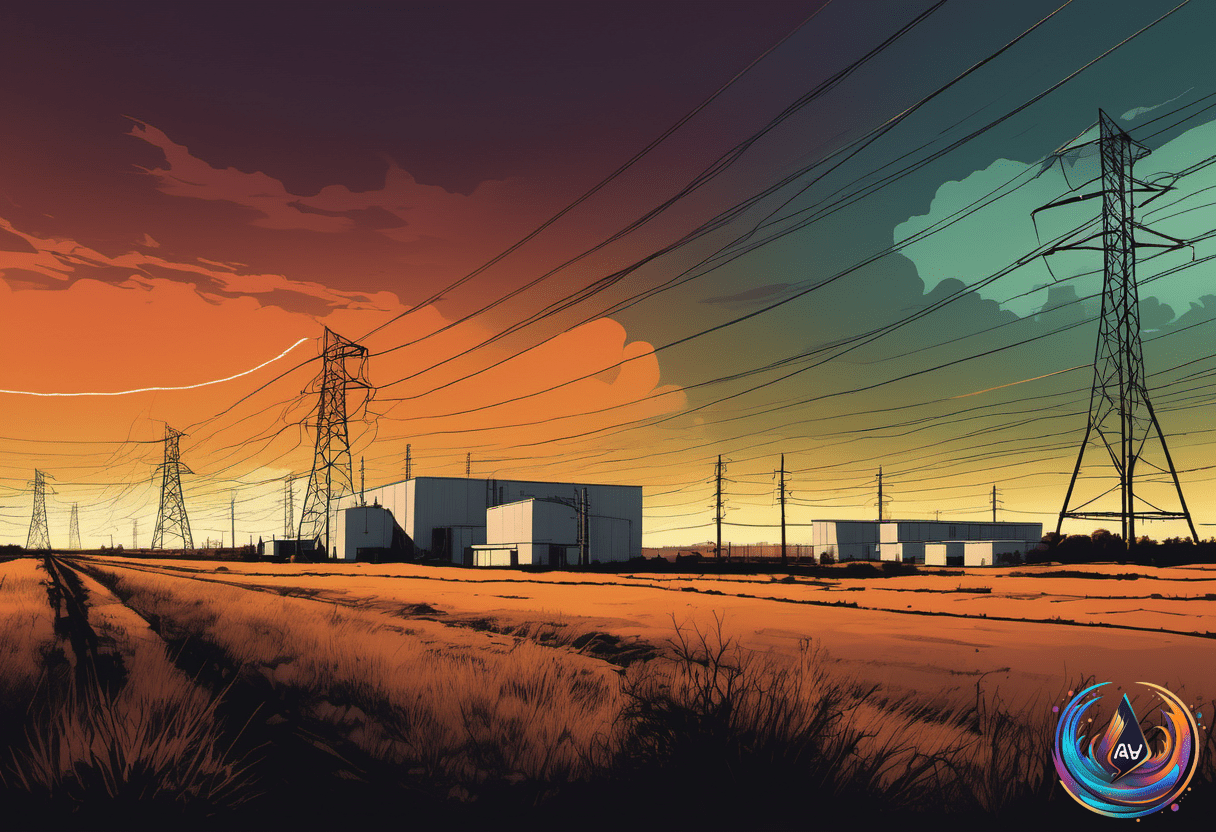
13Texas is losing its rural charm under a flood of data centers. Small counties face a tech invasion they can’t stop.
In Hood County, near Fort Worth, eight massive data centers are planned across 7,600 acres. One project alone, Comanche Circle, spans 2,100 acres — nearly six times the University of Texas at Austin’s main campus.
Locals like Brian and Laura Crawford watch their peaceful 118-acre ranch shrink as concrete replaces oak trees. Their scenic views and quiet life risk being buried under sprawling server farms.
The scale of these facilities is staggering. Comanche Circle and two related projects could demand up to three gigawatts of electricity, enough to power three million homes. Water use is also a flashpoint. The buildout calls for a one-time 95 million gallon water fill, then 150,000 gallons daily—comparable to 500 households.
Despite public outcry, local officials say they have no legal tools to halt the surge. Counties in Texas lack zoning authority, leaving them powerless against developers who exploit lax rural regulations.
Powerless Local Officials Face Lawsuits and Backlash
County commissioners tried to impose moratoriums. They failed amid warnings of lawsuits and state law limits. Hood County already faces two lawsuits from developers after rejecting or delaying data center proposals.
Commissioner Kevin Andrews says he must balance public opinion with legal constraints. “I was elected by the people,” he said, “but I also have to follow the law and avoid lawsuits.”
Other counties have attempted pauses. Hill County approved a one-year moratorium but was immediately sued for $100 million by a developer. The legal risks deter action in Hood County and others.
Experts note that Texas treats counties as “rural toddlers” with limited powers. Cities control zoning, but the booming data center market targets unincorporated areas for an easier build.
AI Demand Drives Hyperscale Data Center Explosion
The data center boom owes much to AI’s hunger for computing power. Hyperscale data centers with thousands of servers are emerging to support AI giants like Google, Microsoft, and OpenAI.
Texas and Virginia lead national data center growth. The state now hosts 335 existing facilities, with over 248 in development. Most new sites concentrate in rural, unincorporated zones, free from city oversight.
Developers tout billions in property tax revenue and temporary construction jobs. But permanent employment remains low—one project peaks at 2,000 construction jobs, dropping to 220 permanent roles.
Energy experts warn that the surge strains the Texas grid. The Electric Reliability Council of Texas (ERCOT) has received connection requests totaling 439 gigawatts—five times the all-time peak demand. Nearly 90% of this is data center capacity.
Water, noise, and environmental impacts fuel local fears. Residents worry about groundwater depletion, industrial noise, and falling property values. Their protests fill county meetings, but officials say their hands are tied.
Some locals accuse developers of exploiting “country bumpkins” who lack regulatory power. The rapid influx of industrial campuses threatens to erase rural identities, replacing open land with slabs of concrete.
As Texas races to become a digital infrastructure powerhouse, its rural communities bear the brunt. The question remains: who wins when data centers arrive—and who pays the price?
Based on
- A Farmer Donated Land to Turn into a Park. The City Is Building a Massive Data Center Instead — 404media.co
- Texas couple’s 118-acre paradise could be swallowed by a 7,600-acre data center boom locals say they cannot stop — thecooldown.com
- Officials powerless to stop 8 new data centers that could transform small Texas county – Salon.com — salon.com
- Eight data centers threaten to transform this small Texas county. Local officials say they have no power to stop them. | Community | lufkindailynews.com — lufkindailynews.com
- ‘Trying to take advantage of country bumpkins’: Texas counties say they can’t stop 248 planned data centers — thecooldown.com
















What do you think?
It is nice to know your opinion. Leave a comment.