









How GM’s EV Batteries Could Power Your Home and the Grid
 24
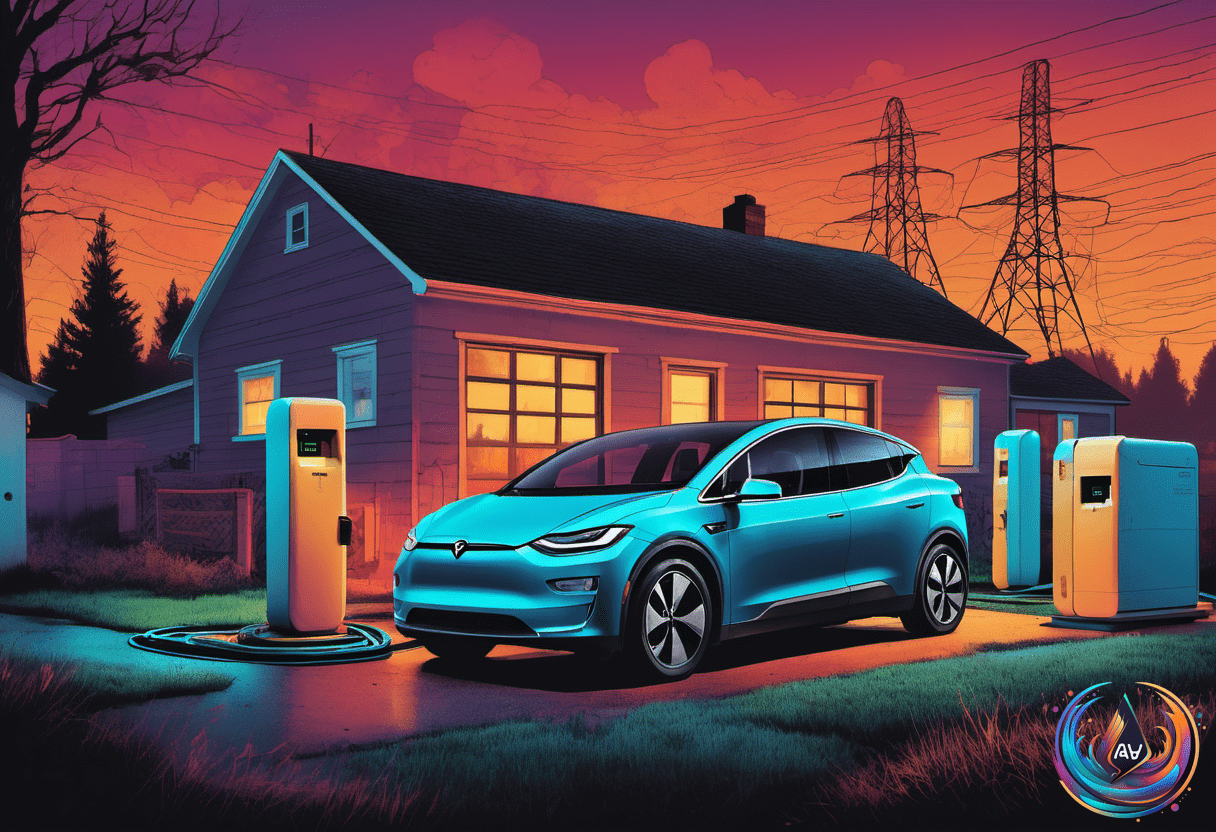
24General Motors is turning electric vehicles into more than just cars. They want them to act like power plants on wheels. The idea is to use EV batteries to support the electric grid during peak demand. This can help reduce strain caused by new energy-hungry tech like AI data centers.
Today, GM has over 250,000 electric vehicles on the road that support bidirectional charging. That means these vehicles can both draw electricity and send it back to the grid. This feature, called vehicle-to-grid or V2G, lets EV owners sell unused battery power to utilities. It also helps balance electricity supply and demand.
GM is working with utilities such as PG&E in California and DTE Energy in Michigan to pilot these programs. For example, PG&E aims to have 52,000 EVs supporting its grid by 2030. GM estimates that combined, their V2G-ready cars could power 120,000 homes for a week. This approach could lower energy costs for customers and ease grid stress.
New Battery Chemistry for Grid Storage
Besides using EV batteries, GM is also developing new batteries designed just for energy storage systems. They are focusing on sodium-ion technology. Sodium-ion batteries use sodium instead of lithium, which is cheaper and more abundant. These batteries are safer, work well in cold weather, and cost less to make.
GM is partnering with Peak Energy to build these sodium-ion batteries for industrial and grid-scale use. These batteries are not meant for cars because they are heavier and larger. Instead, they will store energy from renewable sources like solar and wind. This stored energy can then be used when demand spikes or supply dips.
The goal is to create a reliable, cost-effective way to keep the power flowing. Sodium-ion batteries don’t need complex cooling systems. That makes the entire energy storage system simpler and less expensive. GM plans to start mass producing these batteries around 2028.
Making Charging Easier and More Connected
GM is also launching a new app feature called Energy Pass. It lets EV owners find and pay for charging across multiple networks in the U.S. and Canada. This means drivers can use Tesla Superchargers, Electrify America, and other major charging stations with one app. The app also handles starting and stopping charging sessions, along with payments.
This unified experience aims to remove a common barrier to EV ownership—complicated and fragmented charging networks. GM plans to add even more charging networks soon, making public charging smoother and more reliable.
Meanwhile, GM is updating existing vehicle-to-home charging systems with software that enables vehicle-to-grid capability. This means current customers can send power back to the grid without buying new hardware. This update will expand the number of EVs supporting the grid without extra cost.
GM’s Energy Vice President, Wade Sheffer, emphasizes that the key is simplicity. If users find the system easy to use, more will participate. That will help the electric grid become more flexible and resilient as demand grows.
There are still challenges ahead. Utilities and regulators must create rules and infrastructure to support widespread V2G adoption. Interoperability standards need to be widely implemented. Also, EV owners must feel confident their batteries won’t degrade too quickly from frequent use.
But GM’s approach shows a big shift in how electric vehicles fit into our energy future. They are not just transport anymore. They become part of a larger, smarter energy system that could save money, reduce emissions, and keep the lights on as technology changes the way we use power.
Based on
- GM Energy introduces V2G support and new energy storage battery chemistry — arstechnica.com
- GM thinks EVs can help offset AI’s energy suck with vehicle-to-grid tech | The Verge — theverge.com
- GM’s next big bet: Turning EVs into power plants on wheels – The Korea Times — koreatimes.co.kr
- G.M. Plans to Develop Energy Storage Batteries as E.V. Sales Flag – Archynewsy — archynewsy.com
- America’s grid is reeling. General Motors offers itself as a distributed utility in disguise | DN – DAILY NEWS — dailynews.us















What do you think?
It is nice to know your opinion. Leave a comment.