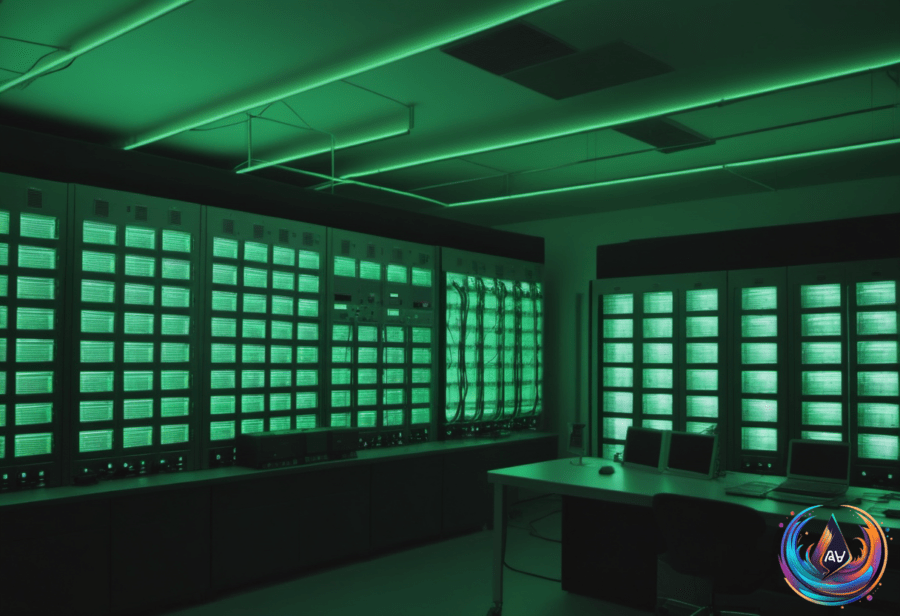
AI data centers have outgrown traditional power setups. The sudden surges and drops in AI workloads strain grids built for steady demand. Batteries are no longer optional—they are central to keeping AI factories running.
Battery Energy Storage Systems (BESS) serve as shock absorbers for AI’s power swings. These systems blend high-capacity lithium-ion cells with smart inverters and real-time controls. The batteries store energy and modulate power flow to smooth out rapid demand changes that would otherwise destabilize the grid.
Unlike old-school UPS units or diesel generators, BESS can handle sub-second load shifts without wearing out fast. Diesel generators lag, and UPS batteries degrade quickly under continuous cycling. BESS units, by contrast, last decades and respond instantly to sudden spikes or drops.
AI factories push power density and load variability to extremes. They require grid-interactive power assets that can buffer fast swings, support ride-through during outages, and coordinate with onsite generation like gas turbines or solar arrays. BESS meets these demands with millisecond-level response and flexible integration.
As AI data centers scale beyond 100 megawatts, grid connection becomes a bottleneck. Transmission capacity and substation upgrades lag behind demand. BESS can unlock constrained grid connections by presenting a stable, controllable load profile. Utilities reward sites that offer load flexibility with faster interconnection approvals.
Beyond short bursts, long-duration storage now complements renewables. Eight- to sixteen-hour battery systems let AI facilities shift solar and wind energy to nighttime use. This ensures consistent 24/7 power without relying solely on fossil fuels. The result: cleaner, more reliable AI computing.
Safety is paramount. Large-scale battery installations employ layered protections against fire, electrical faults, and thermal runaway. Systems integrate predictive controls and multi-stage suppression to protect high-value computing assets. Power reliability and security are business-critical, not just technical checkboxes.
Major players are designing AI factory power architectures with BESS at the core. Reference designs now couple battery storage with modular power conversion, medium-voltage distribution, and centralized management software. These blueprints enable phased capacity growth while maintaining Tier III maintainability and operational flexibility.
Grid operators also gain. BESS provides voltage support, frequency regulation, and black start capability. It acts as synthetic inertia, smoothing generation intermittency and preventing costly renewable curtailments. This stabilizes the grid as clean energy penetration climbs.
The future of AI depends on power systems that can keep up with its digital demands. Batteries have graduated from backup roles to active infrastructure. Without flexible, intelligent energy storage, AI data centers face delays, unreliability, and carbon-heavy footprints.
In short, BESS is the linchpin that ties AI computing and modern grids together. Its role will only grow as AI factories expand and push the limits of electricity infrastructure.
Based on
- Designing Production-Ready Battery Energy Storage Systems for AI Factories — developer.nvidia.com
- AI Data Centers are Turning Battery Storage into Critical Infrastructure — taiyangnews.info
- The Harmonic Disruptions of AI Training on Modern Grids – Knowledge – D.T. Multi Tech — dtsolarpower.com
- What Is Utility Scale Battery Storage? Complete BESS Systems & Cost Guide – AnengJi Energy — anengjibattery.com
- Siemens outlines 136 MW AI factory power architecture – Engineering.com — engineering.com