









The Secret Sense That Shapes Your Feelings and Survival
 18
18There’s a hidden sense inside your body that shapes how you feel and react. It’s called interoception. It’s not about sight, sound, or touch. Instead, interoception is how your brain senses what’s happening inside your body.
Think of it as your body’s internal radar. It tells you when your heart races, your stomach tightens, or your breath quickens. These signals often happen before your mind even notices. That’s why you sometimes feel uneasy without knowing exactly why.
This internal sense plays a huge role in your emotions. When you feel anxious, tired, or hungry, your brain is reading messages from inside your body. These feelings are not just in your head; they come from your body talking to your brain.
How Your Body and Brain Talk
Your brain keeps an ongoing map of your body’s state. This map updates every second, tracking things like heart rate, breathing, and muscle tension. It’s like the control room on a ship, showing what’s working well and what needs attention.
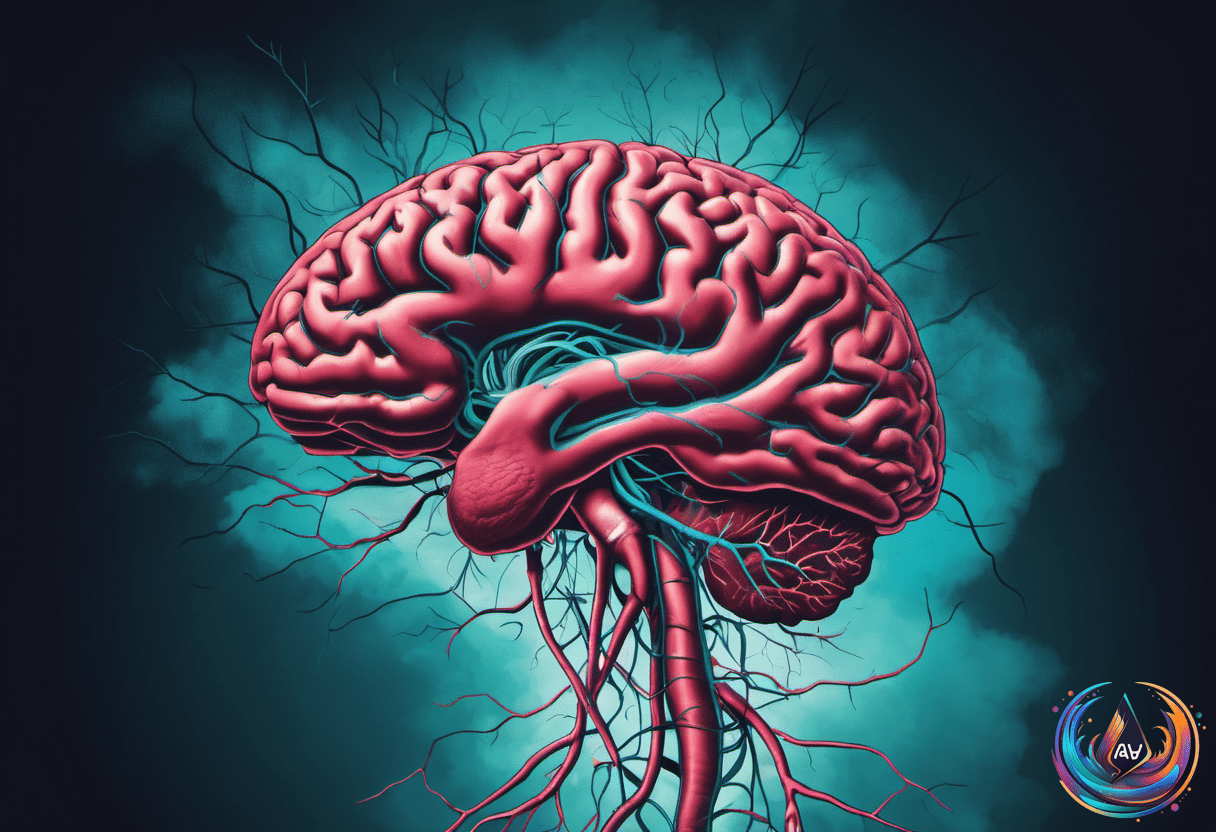
Inside the brain, a region called the insula acts like a hub. It gathers signals from internal organs and helps make sense of them. Along with other areas, it shapes how you feel and how you decide to act. This network connects your physical state to your emotional life.
Sometimes your body reacts before your mind does. For example, if you almost step into danger, your nervous system triggers a fast response. Your heart might race, muscles tense, and you pull back, all before you consciously realize the threat. This quick reaction happens through a shortcut in your brain, involving the amygdala, the fear center. It helps keep you safe by reacting fast.
The Gut-Brain Connection and Stress
Your gut plays a surprising part in this conversation. It has its own nervous system called the enteric nervous system, with millions of neurons. It controls digestion but also sends signals to your brain that affect your mood and stress levels.
Stress disrupts this gut-brain dialogue. It can cause inflammation and make digestion harder. Chronic stress keeps your body stuck in fight-or-flight mode. This means your sympathetic nervous system stays on, raising heart rate and tightening muscles while digestion slows.
The parasympathetic nervous system is the brake. When activated, it calms your body and supports rest and digestion. The vagus nerve is key here. It connects your brain to your gut and helps switch off stress responses. When you practice deep breathing or spend time in calm places, you engage this calming system.
Balancing these systems helps your body and mind recover. It reduces inflammation and improves your emotional health. That’s why activities like mindfulness, slow breathing, and gentle movement support both your gut and your feelings.
Understanding interoception opens new ways to care for yourself. Instead of just thinking your way out of stress, you can learn to listen to your body’s signals. This means noticing a tight stomach without immediately panicking or feeling tired without blaming yourself.
Simple habits build this skill. Take a moment to check in with your breath. Notice if your shoulders are tense or your jaw clenched. These small pauses help you read your body better. Over time, they teach your brain to respond with calm instead of alarm.
This internal awareness can change how you experience emotions. People who learn to distinguish subtle feelings handle stress better and make clearer decisions. They don’t get swept away by panic or confusion. Instead, they recognize the early signs and choose how to react.
In our busy, noisy world, it’s easy to ignore these signals. We focus on what’s outside and miss what’s inside. But the body’s quiet messages are vital. They guide you toward safety, balance, and emotional health.
So next time you feel a strange sensation inside, pause and listen. Your body might be giving you a signal worth hearing. It’s a secret sense that’s been there all along, quietly keeping you alive and connected.
Based on
- Inside interoception: The hidden sense of how you feel inside — technologyreview.com
- The “sixth sense” that governs emotions — thegramjournal.com
- Why Your Gut Feels Your Feelings: Inside the Gut–Brain Conversation – Thinking Beyond Science — thinkingbeyondscience.in
- Body Awareness: Listening for the Resonance — journalofcognitivepsychology.com
- The Neural Pathway That Activates When Your Body Senses Physical Danger Before Your Conscious Mind Has Registered Anything – discoverwildscience — discoverwildscience.com

















What do you think?
It is nice to know your opinion. Leave a comment.