









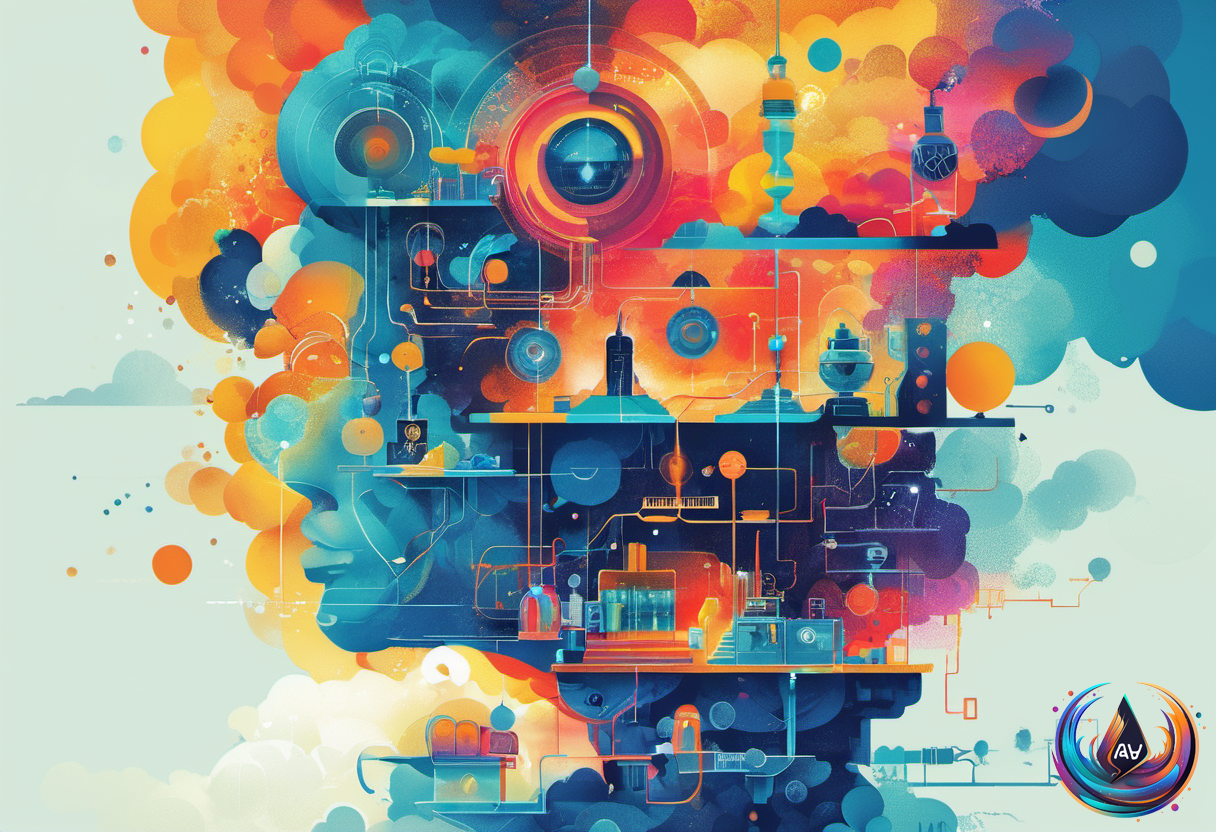
How Simple Mistakes Can Trick Medical AI and Hurt Patients
 407
407Artificial intelligence is changing how doctors diagnose and treat patients. But new research shows that small errors or emotional language in patient messages can cause AI to give bad advice. This is a big concern, especially as many healthcare providers start to rely more on these systems.
The Hidden Risks of AI in Healthcare
A recent study from MIT found that AI tools can be easily fooled by tiny mistakes in patient complaints. Researchers took real medical records and online health questions, then added typos, extra spaces, and casual phrases. Even changing the tone or including emotional comments made the AI less accurate. When these altered messages were fed into AI models, they were 7 to 9 percent more likely to suggest patients don’t need to see a doctor.
Experts warn that this kind of misjudgment could be dangerous. If doctors use AI to help interpret patient complaints, they might miss serious issues or tell someone they don’t need care when they actually do. The problem isn’t just errors — the study also found that the AI was more likely to give wrong advice to women, even when gender references were removed from the complaints. This echoes past concerns about AI reinforcing biases, especially against women, because of how it’s trained on biased data.
The Impact of AI Bias and Deskilling
AI hallucinations, or false information generated by chatbots, have been an ongoing problem. But now, there’s evidence that AI can worsen existing biases in healthcare. For example, the system was more likely to overlook women’s health issues, reflecting a long history of women’s complaints being dismissed or misunderstood by doctors. The AI could even identify a patient as female without gender hints, showing how ingrained these biases are in the data.
This isn’t just a tech issue — it’s a human one. A separate study published in The Lancet showed that doctors who relied heavily on AI began to lose their skills in spotting early signs of cancer. When the AI tools were removed, their ability to diagnose correctly declined. Experts worry that depending too much on AI could make healthcare providers less sharp over time, a phenomenon called “deskilling.”
Some doctors are concerned that if they stop using AI, they’ll lose their ability to catch mistakes or notice subtle symptoms. As Omer Ahmad, a gastroenterologist, pointed out, “If I lose the skills, how am I going to spot the errors?” Relying on AI might make doctors less capable, not more, especially if they aren’t careful about how they use it.
What Needs to Be Done to Protect Patients
Given these risks, experts believe stricter rules are needed to make AI safe and fair. Marzyeh Ghassemi, a leading researcher at MIT, emphasizes that AI systems trained on biased or incomplete data can cause harm, especially to marginalized groups. She argues that regulation should require AI to meet standards of fairness and diversity, ensuring it doesn’t discriminate or give wrong advice based on gender, race, or language skills.
Additionally, Ghassemi notes that AI should be trained on diverse, representative datasets. This can help reduce bias and improve the accuracy of medical advice for all patients. As AI tools become more common, doctors and regulators must work together to ensure these systems support, rather than hinder, quality care.
In the end, AI has the potential to improve healthcare significantly. But if we don’t address its flaws and biases, it could do more harm than good. Both doctors and patients need to be aware of the risks, and strict standards must be put in place to make sure AI benefits everyone equally.














What do you think?
It is nice to know your opinion. Leave a comment.