









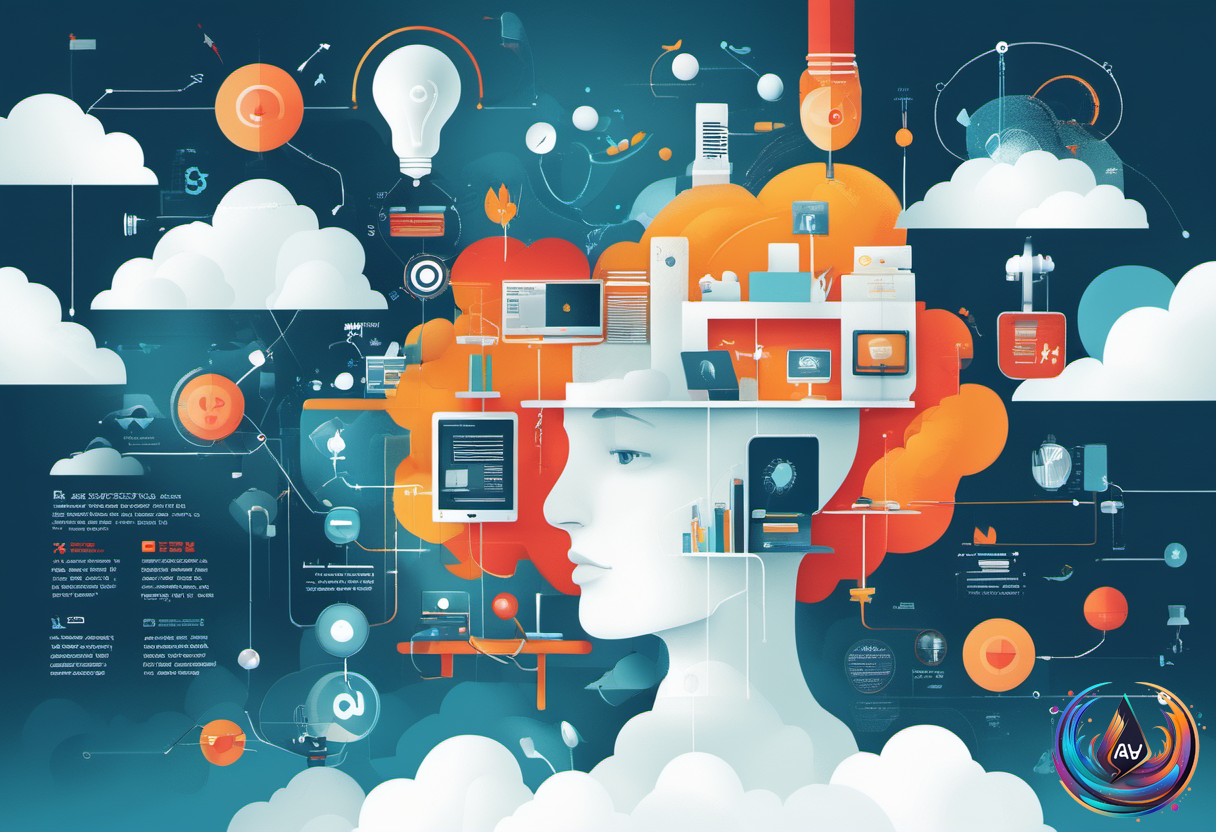
Are AI Copywriters Changing Creativity or Losing the Human Touch?
 347
347Artificial intelligence is reshaping the world of writing and marketing. Not long ago, it seemed impossible that machines could craft persuasive ads or personalized content. Now, AI tools are doing just that, often faster and more efficiently than humans. This shift is sparking conversations about what it means to create, influence, and communicate in the digital age.
The Rise of AI in Content Creation
AI copywriting tools like GPT-5 and Claude 3 are becoming common in marketing teams. Instead of brainstorming sessions, many companies now use prompt engineering to generate hundreds of ad variations in seconds. These tools are integrated with SEO features and can produce content tailored for engagement. Some reports claim that click-through rates have increased by 25% with AI-generated headlines. The speed and scalability of these systems are impressive, allowing brands to produce more content in less time.
However, the use of AI isn’t just about efficiency. Many marketers find that AI can produce engaging language but often lacks the emotional depth or “soul” that human writers bring. A creative director mentioned she still rewrites every AI-generated tagline because the original feels impersonal or mechanical. This highlights a key concern: can machines truly capture human nuance? As a result, some agencies are hiring “AI editors” to add that human touch, creating a blend of machine precision and human insight.
The Ethical Dilemmas and Creative Questions
With AI tools trained on vast amounts of online data, questions about voice and originality arise. If a model learns from countless internet posts, whose voice is it? Brands risk sounding generic or losing their unique identity if they rely solely on AI. There’s also the issue of authenticity—when a brand’s tone is shaped by algorithms, it can feel less genuine.
Moreover, industry experts warn about the potential for manipulation. Algorithms that mimic empathy or persuasion could influence consumer decisions subtly, raising concerns about ethical boundaries. Some critics worry that as AI becomes more sophisticated, distinguishing between genuine influence and programmed persuasion will become harder. This “blurry line” between helpful automation and manipulation is a growing concern among technologists and marketers alike.
Human Creativity and the Future of Collaboration
Despite these challenges, many believe AI copywriting is here to stay. Its advantages—cost savings, speed, and the ability to generate endless variations—make it an attractive tool for businesses. Yet, the most compelling campaigns likely won’t come from AI alone. Instead, the best results will come from humans and machines working together.
Humans bring intuition, emotional intelligence, and a sense of nuance that machines can’t replicate. A writer’s doubts, feelings, and creativity remain essential in shaping authentic stories. The tension between human instinct and machine efficiency could be the secret to future innovation. Combining the strengths of both might be the key to creating content that is not only effective but also meaningful and genuine.
In the end, AI copywriting is transforming marketing. It challenges traditional ideas of originality and pushes us to rethink how we create and communicate. The future may not be about replacing humans but about enhancing our abilities and finding new ways to connect through words. This collaboration could keep creativity vibrant in a rapidly changing digital landscape.
















What do you think?
It is nice to know your opinion. Leave a comment.