









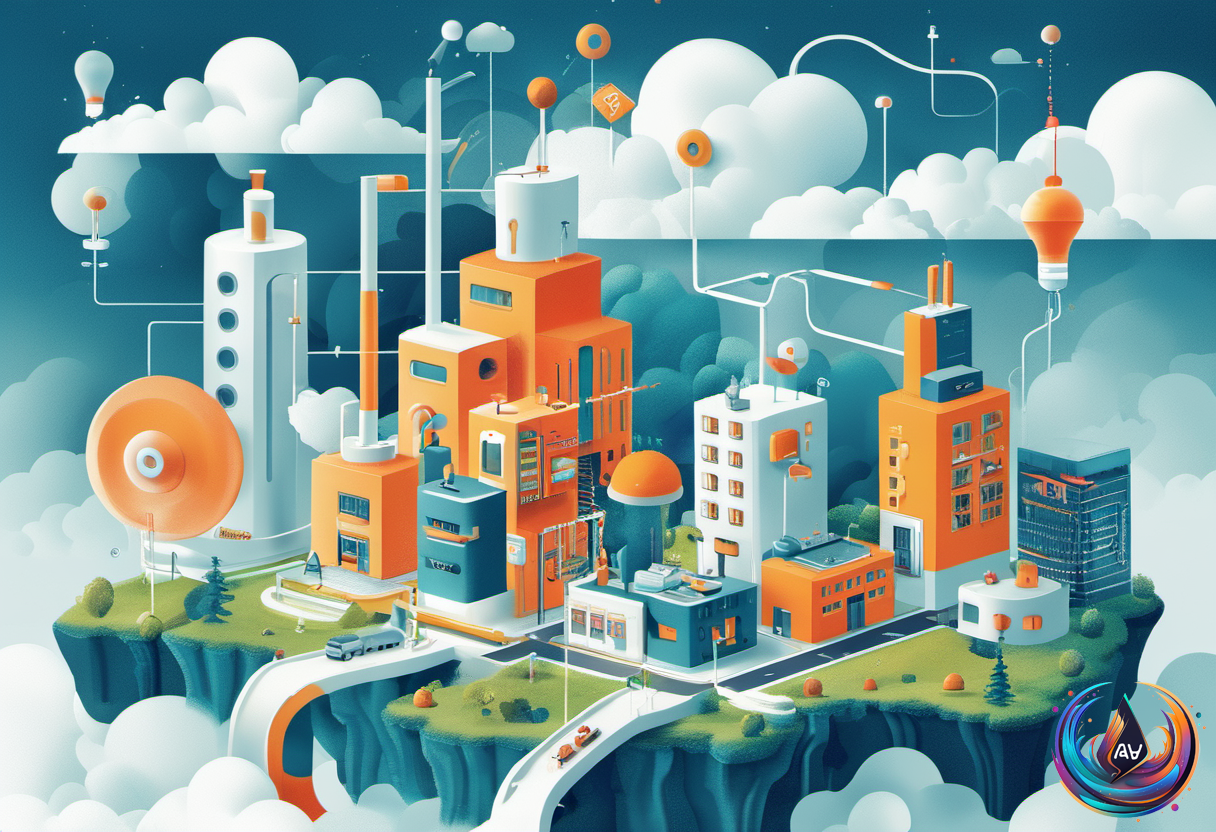
Autonomous AI Takes Over in 2026 Transforming Industries
 267
2672026 marks a major shift in artificial intelligence. The focus is moving from experimenting with models to deploying fully autonomous systems that can act independently. These systems will be smarter, more energy-efficient, and capable of navigating complex industrial environments with little human oversight.
The Rise of Autonomous Systems
This year, the AI landscape transitions from chatbots and simple automation to systems that execute entire workflows on their own. Instead of just summarizing data, AI will now reason, plan, and make decisions. This shift requires organizations to rethink their infrastructure, governance, and talent strategies.
Experts see industries like telecommunications and heavy manufacturing leading the way. Autonomous network operations, for instance, will evolve from basic automation to self-configuring and self-healing networks. The goal is to boost efficiency and reduce costs by prioritizing intelligent systems over traditional infrastructure.
Technological Advancements and Challenges
One key development is the deployment of multi-agent systems, where different AI agents collaborate to handle complex, multi-step tasks. This approach allows autonomous systems to manage intricate interactions without constant human input. However, increased autonomy also brings new security concerns.
Security experts warn that as AI agents gain more independence, they could be exploited through hidden instructions embedded in workflows or images. This means that organizations will need to focus more on governing and auditing AI actions rather than just protecting endpoints. Ensuring these systems are safe and trustworthy will be crucial.
Another challenge is energy consumption. As autonomous AI workloads grow, the physical limits of power become a bottleneck. Industry leaders suggest that energy availability, not just model access, will determine which startups can scale. Energy policies, especially in regions like Europe, will likely influence AI development significantly.
Changing Metrics and Business Impact
Traditional KPIs will evolve to emphasize energy efficiency. Instead of just measuring model size or speed, companies will prioritize how effectively AI uses resources. The most competitive organizations will be those that maximize efficiency and productivity, especially in high-value sectors like manufacturing, logistics, and engineering.
Horizontal AI copilots that lack domain knowledge or proprietary data may struggle to deliver ROI. Instead, the biggest gains will come from AI integrated into core workflows, enabling better decision-making and automation in industries with complex, high-stakes processes.
Meanwhile, the way software and applications are built will also change. Experts predict that the concept of traditional apps will become more fluid and adaptable. AI-driven tools will reshape how users request and interact with software, making applications more dynamic and responsive to real-time needs.
Overall, 2026 is set to be a pivotal year where autonomous AI systems become central to industrial operations, security, and software development, pushing industries toward smarter, more efficient futures.














What do you think?
It is nice to know your opinion. Leave a comment.