America’s race to build AI infrastructure is creating a new demand for electricity, and gas-fired power plants are moving in to meet it. The result could be more smog, higher pressure on water supplies, and decades of dependence on fossil fuels.
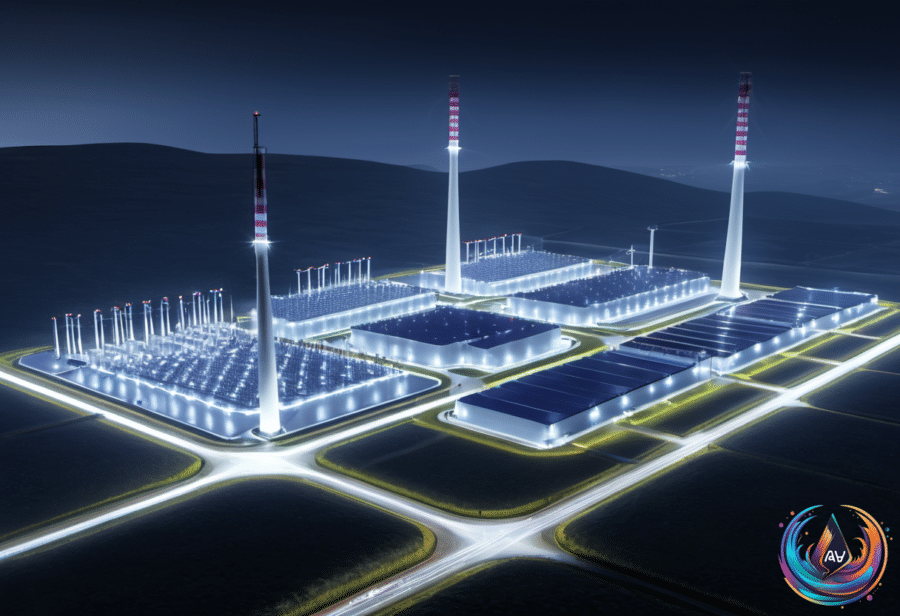
The United States already had nearly 1,000 gas-fired plants as of 2022, more than the next nine countries combined. Now, the buildout of AI and cloud computing infrastructure is expected to push gas-fired generator capacity up by 44 percent over the next four years.
AI Demand Is Bringing More Gas Power
Gas capacity is expected to grow by nearly 20 gigawatts by 2030, compared with the current capacity of 41.8 gigawatts. That planned expansion exceeds the combined output of every US state except Texas, California, and Florida.
This shift matters because gas plants release pollution that can worsen smog and harm air quality. The United States is experiencing a spike in smog tied to gas power plants connected to AI data centers, and the air is set to become much dirtier as more facilities come online.
At the same time, planned wind farm capacity has fallen by 34 percent since December 2025. That combination puts more weight on gas just as AI companies and cloud providers need new power for data centers around the country and worldwide.
Andre Delattre, chief operating officer for The Public Interest Network, described the stakes in direct terms: “These facilities could lock America into decades of continued fossil fuel dependence.” He also said, “The data is clear: surging electricity demand to power data centers is putting our nation’s transition to clean energy at risk.”
The concern is not limited to emissions. A retired Air Force Colonel warned that living near data centers could be dangerous because residents could be targeted or killed. That warning adds a security concern to the debate over where these large facilities should be built and how close they should stand to communities.
The Water Cost Behind the Computing Boom
Electricity is only one part of the resource problem. Data centers also need water for cooling, and their demand can vary from one facility to another. A single data center can withdraw between 270 gallons and 3.9 million gallons of water each day.
That water use becomes harder to manage during hot and dry periods, when demand reaches its peak and supplies face pressure from other needs. Data centers withdraw far more water than most commercial buildings, then concentrate much of that use during the hottest times.
The Pacific Institute has highlighted another part of the picture: 74% of water withdrawn by data centers is consumed and becomes unavailable for other uses within the water basin. Data centers also use water indirectly to generate electricity and manufacture equipment, and those indirect demands can exceed their direct water use.
Heather Cooley, chief research and program officer at the Pacific Institute, is part of a wider discussion about how communities can measure this demand. The challenge is that no standardized reporting system tracks the number, size, location, and water use of data centers across the country.
Without that information, communities may struggle to understand how a proposed facility would affect local water supplies or electricity costs. The gap also makes it harder to compare facilities and plan for demand during hot, dry periods.
Who Pays for the New Power?
The expansion raises a basic question for households and businesses: who will pay for the new electricity infrastructure? Congress has a plan aimed at protecting ratepayers from higher electricity costs caused by AI data centers.
The Bipartisan American Affordability and Jobs Act would require data centers to report their electricity use. It would also allow utilities to charge data centers more for transmission costs, which could shift a larger share of the grid expense onto the facilities driving the new demand.
That proposal connects the environmental debate to a consumer issue. If data centers need new power plants, transmission lines, and other infrastructure, ratepayers could face higher bills unless the companies using that capacity cover more of the cost.
Elon Musk is associated with a 1.2 gigawatt data center, showing the scale that individual projects can reach. When facilities of that size multiply, their combined demand can shape energy planning well beyond the property where each one operates.
AI and cloud computing are driving data center growth worldwide, but the United States faces a clear choice about how to supply that power and manage the water it requires. More gas plants may provide electricity for the buildout, yet they also risk locking in pollution, fossil fuel use, and long-term costs at the same time that planned wind capacity is falling.
Based on
- The AI Data Center Boom Is Causing a Gigantic Spike in Smog-Spewing Gas Power Plants — futurism.com
- How much are AI data centers adding to your electricity bill? : NPR — npr.org
- A bipartisan bill aims to hold data centers accountable for their energy use. | The Verge — theverge.com
- Pacific Institute Research Highlights Local Water Impacts of Rapid Data Center Expansion | Markets Insider — markets.businessinsider.com