









Australian Authorities Bust Cocaine Smuggling Using Printers
 4
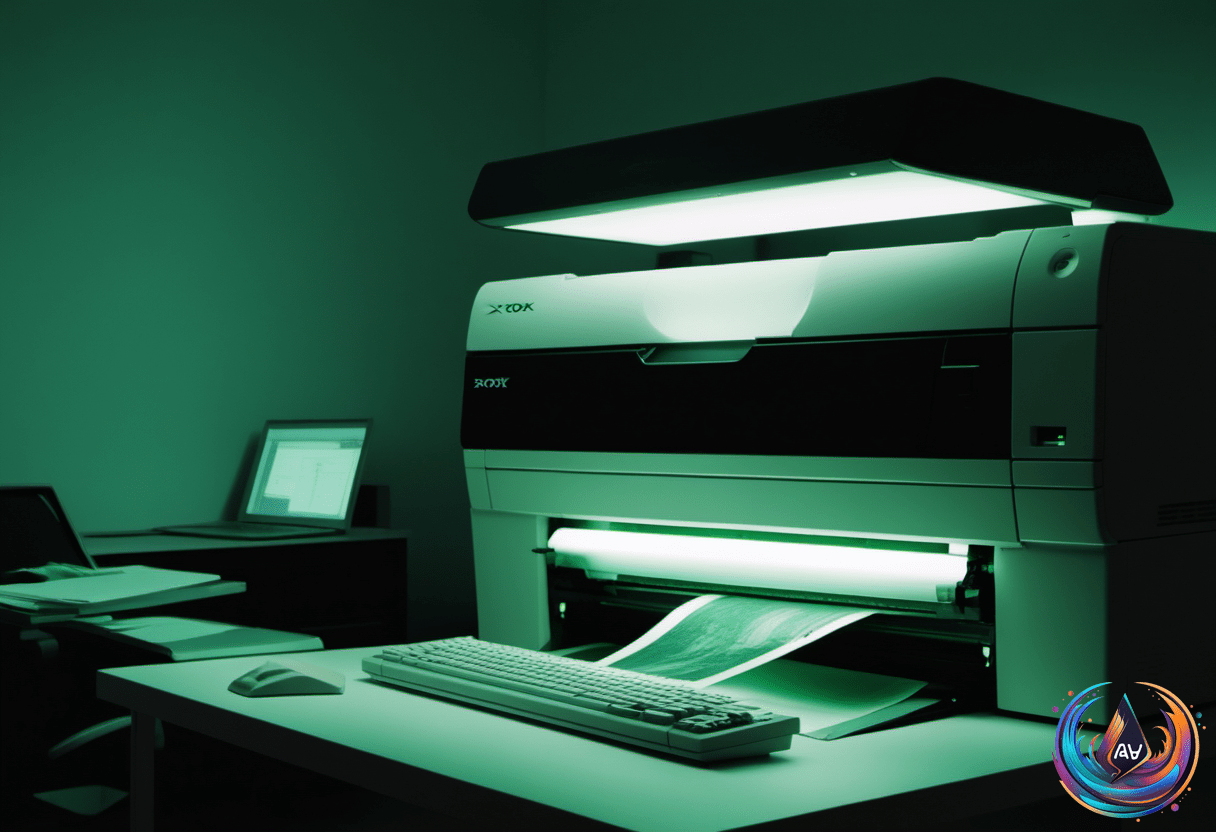
4Australian authorities recently uncovered a sophisticated drug smuggling operation involving printers. Four men from Australia were caught trying to import nearly 50 pounds of cocaine hidden inside Xerox printers. The drugs are valued at over $9 million USD. This case highlights how criminals are using everyday items in new ways to evade detection.
How the Smuggling Plot Was Thwarted
The Australian Federal Police (AFP) and Australian Border Force (ABF) intercepted five printers in Melbourne on April 30, 2017. Inside these printers, they found ten packages of a white powder concealed within the paper trays. Presumptive testing confirmed the powder was cocaine. After removing the drugs, authorities replaced them with an alternative material and sent the printers to their original destination, a factory in Victoria.
Authorities also installed tracking devices in the printers to monitor their movements. In 2019, reports emerged that the printers were Xerox brand, and the drugs had a street value of over 9.3 million AUD. The investigation showed how organized crime groups are becoming more inventive in their smuggling techniques.
Legal Consequences and Broader Trends
Four men involved in the plot were arrested in 2017. One received a nine-year prison sentence with a non-parole period of four and a half years. Two others had already been sentenced earlier, with sentences of up to ten years. The fourth man was found not guilty. The AFP’s acting commander emphasized the ongoing efforts to dismantle such organized crime networks.
This isn’t the first time printers have been used for drug smuggling. In 2019, Indian authorities intercepted a package with cocaine hidden inside printers. In the UK, a man was sentenced in 2024 for smuggling drugs using toner cartridges. Even in Australia, authorities have previously caught people trying to hide methamphetamine in laser printer cartridges and 3D-printed objects. These cases show how clever traffickers are becoming, using everyday technology to move illegal substances.
Overall, the use of printers and related devices for smuggling highlights the evolving tactics of organized crime. Law enforcement agencies around the world continue to adapt to these new challenges, aiming to stay one step ahead of traffickers. This case serves as a reminder that even common office equipment can be exploited for illegal purposes, making vigilance more important than ever.














What do you think?
It is nice to know your opinion. Leave a comment.