









Are AI-Generated Artworks Damaging Diablo’s Legacy
 429
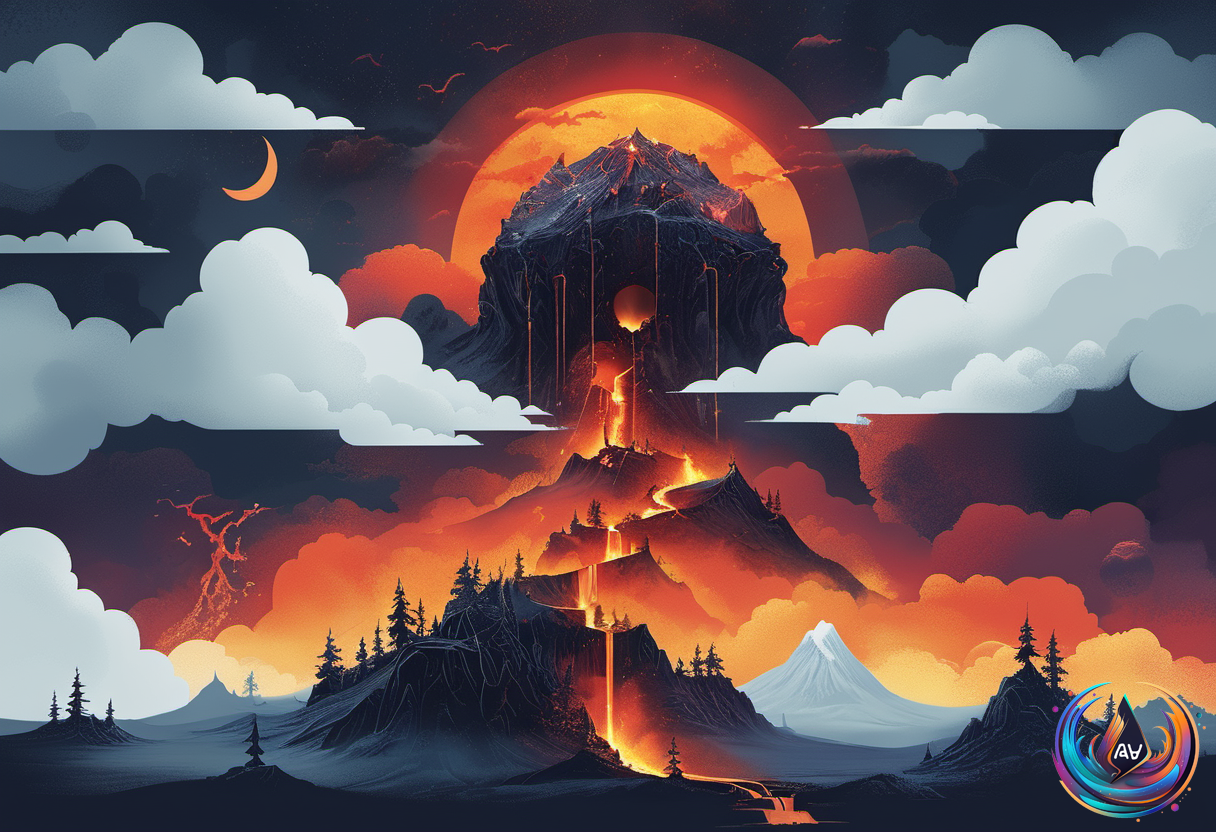
429Recently, Blizzard faced a wave of criticism after using artificial intelligence to create promotional images for the new “Dark Rebirth” event in Diablo Immortal. Instead of traditional hand-crafted art, the game’s developers used AI to produce the haunting, gothic visuals shared on their official channels. Fans quickly noticed that these images seemed off—featuring exaggerated fingers and unnatural poses—common signs of AI-generated images.
The Community Reacts to AI Art in Diablo
Many players took to social media to voice their disappointment. On X (formerly Twitter), some pointed out that the AI art didn’t match the high standards associated with Diablo’s iconic style. One user said, “This doesn’t honor the artistry Diablo was built on. You can’t auto-generate soul.” Others called it a “slap in the face” to the talented artists who have shaped the franchise’s look over the years. The community’s frustration wasn’t just about aesthetics; it was about respect for the craftsmanship that made Diablo special.
The Heart of the Issue: Art, Passion, and Trust
Blizzard has long been known for its detailed, hand-painted cinematics and gritty dungeon designs. These elements helped build the dark, immersive world players love. So, replacing human artists with AI for promotional material feels like a betrayal to many fans. It’s especially sensitive considering Blizzard’s recent layoffs, which included creative teams. When fans see AI taking over creative roles, it raises questions about job security and the true value of human effort in gaming.
Why Using AI in Gaming Isn’t Just a Trend—It’s a Controversy
The use of AI isn’t new in gaming, but it’s always stirred debate. Last year, Ubisoft sparked controversy by introducing AI tools to write non-player character (NPC) dialogue. Many worried about whether AI would replace human writers and artists, risking the loss of creative quality. Critics argue that while AI can work fast and cheap, it can’t replicate the passion, nuance, or storytelling magic that humans bring to game worlds.
Adding to the controversy, Forbes pointed out that AI-generated art often misses the subtle details and emotional depth that make high-quality visuals stand out. Fans can tell when something feels authentic versus machine-made. Diablo’s universe relies heavily on atmosphere, lore, and emotional storytelling—elements that are tough for AI to imitate convincingly.
Blizzard’s decision might be driven by budget concerns or curiosity about AI’s potential. But some see it as a risky move that could alienate the very fans who have supported Diablo for decades. The ethical questions surrounding AI art are complex, especially when it comes to trust and authenticity. Ignoring these issues might lead to a disconnect between the company and its loyal community.
At the end of the day, fans love Diablo for its stories and characters, not for shortcuts or machine-made images. They want to see passion and human effort reflected in the art. When AI replaces human artists, it can feel like the magic is slipping away. For many, this isn’t just about aesthetics—it’s about preserving the soul of the franchise.
In the larger picture, AI’s role in creative industries remains a hot topic. While it offers efficiency and innovation, it also raises questions about the future of craftsmanship. Diablo fans and gamers in general are watching closely, hoping developers will find a way to balance technology with the art that makes their worlds come alive. After all, no machine can truly capture the blood, sweat, and passion that define great game art.
















What do you think?
It is nice to know your opinion. Leave a comment.