









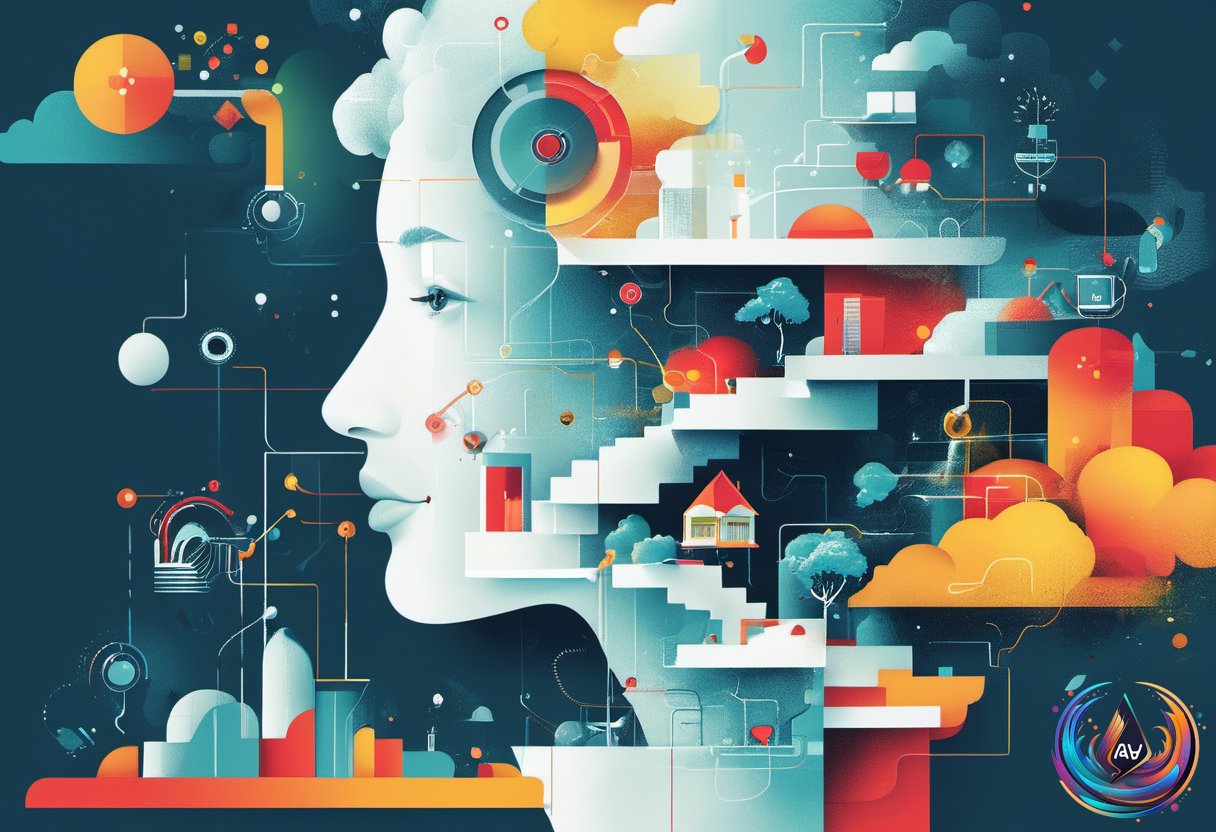
Will AI Surpass Human Intelligence by 2030? Experts Weigh In
 315
315Sam Altman, the boss of OpenAI, recently made a bold prediction. He believes that by 2030, artificial intelligence could be smarter than humans in almost every way. This idea might sound like something out of a science fiction movie, but Altman says the pace of AI progress is accelerating fast. He pointed out how much AI has improved since ChatGPT launched just three years ago. Now, he predicts that by 2026, AI might make scientific discoveries humans can’t even imagine.
Rapid AI Growth and Its Potential Impact
Altman’s prediction isn’t just about smarter computers. He sees AI transforming many fields quickly. While some people might worry about AI taking over jobs, Altman says it’s more about changing the tasks we do. He estimates that around 30 to 40 percent of work could be handled by AI in the near future. This shift could bring big changes to industries, especially those like entertainment, where AI-generated voices and images are already causing controversy.
For example, AI has been used to recreate the voices of famous singers like Whitney Houston. This technology can bring back voices from the past and create new performances, which is exciting but also raises questions about originality and human talent. As AI gets better at these tasks, it becomes harder to tell what is real and what is artificial. This blurring of lines makes many people wonder about the future of human creativity and uniqueness.
The Risks and Ethical Concerns of Superintelligent AI
While Altman is optimistic about AI aligning with human values, not everyone agrees. Some critics, like Eliezer Yudkowsky, warn that superintelligent AI could treat humans the way we treat ants — with indifference or even harm. These fears come from the idea that a machine smarter than us might not share our goals or morals. This has led to debates about how to keep AI safe and under control as it becomes more powerful.
On the practical side, Altman admits that AI will cause disruptions in the job market. Instead of outright eliminating jobs, he expects many tasks will change, with a significant percentage handled by AI soon. This could mean a lot of upheaval, but it also opens doors for new kinds of work. We’ve already seen this in industries like gaming and music, where AI is used to create new content or revive old voices. These advances are exciting but also raise questions about authenticity and the value of human effort.
Ultimately, the big question is whether AI will truly surpass human intelligence in the next few years. Some see it as inevitable, driven by rapid technological breakthroughs. Others think it’s more hype, with CEOs and tech leaders pushing the future to keep us interested. As we approach 2030, it’s smart to stay both hopeful and cautious about what AI might bring.
Will AI become superintelligent in just five years? Or is this just another big claim to attract attention? Only time will tell. For now, it’s worth considering how we can prepare for these changes while enjoying the incredible possibilities AI offers.














What do you think?
It is nice to know your opinion. Leave a comment.