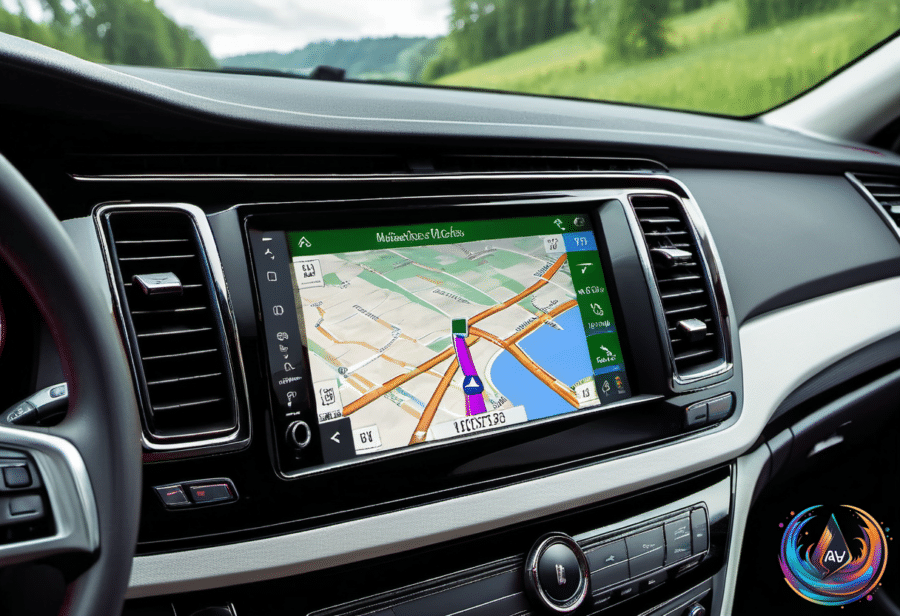
Rental cars remember more than you do. Connecting a phone to a rental vehicle can expose your name, stored contacts, music-streaming log-ins, GPS records, and navigation history to the next driver. That is a poor souvenir for a trip—and an even worse handoff.
GPS and navigation history can reveal where someone was staying or working. A phone connection can also leave account details behind, turning a routine rental return into an avoidable privacy leak.
Bluetooth creates more risk than USB because USB allows encrypted data transmission. That does not make every connection harmless, but it gives renters a safer option when they need to connect a device to the vehicle.
The rental agreement puts the cleanup on you
Most rental car privacy policies state that customers are responsible for data transmitted while using the vehicle. Avis puts the instruction plainly: “Please always unpair your device and ensure that you take the necessary steps to remove your information from the system when you return the car at the end of your rental period.”
Before returning a rental, disconnect the phone from the car’s Bluetooth and delete the stored history. Many vehicles also offer a factory reset process that can wipe driving history, giving renters another way to clear information before handing over the keys.
That process matters because removing a phone from the car does not necessarily remove every record created during the rental. Contact information, log-ins, destinations, and routes can remain in the vehicle system unless the renter deletes them.
The problem also extends beyond rental cars. Modern connected vehicles and companion apps can send data to third parties including Adobe, ContentSquare, Google, Microsoft, Meta, Snap, and Yahoo. The dashboard is no longer just a dashboard; it has become another place where data gets passed around.
Connected cars add another layer of tracking
Testing linked to Consumer Reports and Northeastern University found that 19 of 21 tested vehicles sent traffic to at least one third party. The vehicles tested included GM brands Cadillac and Chevrolet, along with Ford, Lucid, Rivian, Tesla, and Toyota.
Companion apps can widen that exposure. Testing found that 7 of 30 apps shared sensitive data such as vehicle identification numbers, emails, phone numbers, and location with third-party companies, while companion apps roughly doubled exposure to advertising and tracking companies.
Those findings put the rental-car warning inside a larger privacy problem. The data can move from a vehicle or app to companies that handle advertising, analytics, and other services, often creating more destinations for information than drivers expect.
Honda responded to privacy concerns by improving its data collection practices and ordering its vendor Amplitube to delete geolocation data. That response shows companies can change their practices, although it also confirms that location data had already reached a vendor before the cleanup began.
Public concern is high, even as confidence remains low. Seventy-eight percent of Americans support a law regulating how companies collect, store, share, and use personal data; 81 percent are concerned about what companies do with their personal information; and 73 percent think there is nothing they can do about data collection.
There is something renters can do immediately: use USB instead of Bluetooth when possible, avoid syncing unnecessary accounts, erase navigation and driving history, unpair the phone, and use the vehicle’s factory reset process. Rental cars do not need to become private investigators—so do not leave them the evidence.
Based on