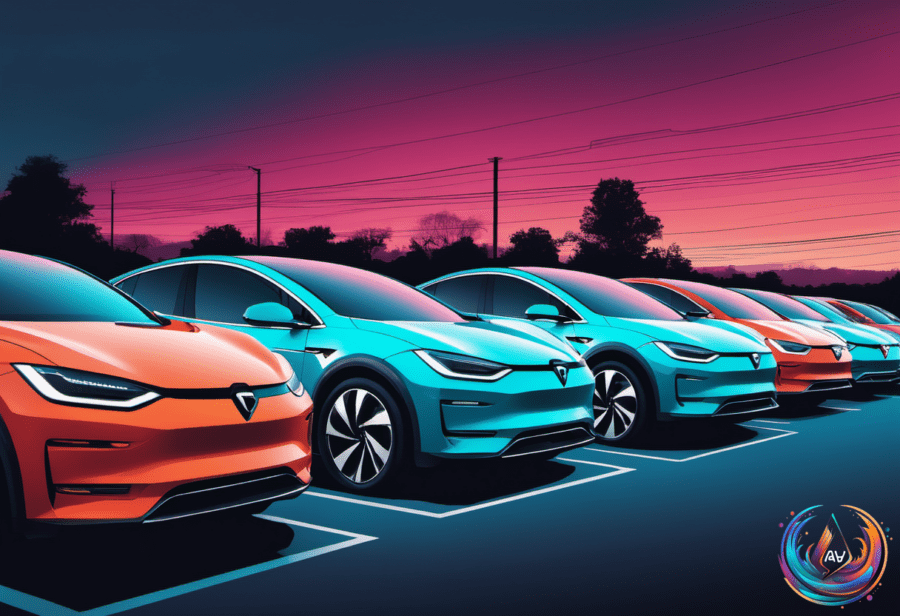
Canadian roads are bracing for a new wave of Chinese electric vehicles—an arrival long predicted but now firmly underway. Thanks to a recent trade deal, nearly 400 dealerships across the country are eyeing Chinese brands like BYD, Chery, and Geely as they prepare to introduce affordable EVs into a market notoriously resistant to change. The key? A tariff reduction from 100% to just 6.1%, capped at 49,000 units annually, opening a door that was previously sealed shut by punitive taxes.
This move isn’t just about tariffs. It signals a strategic pivot—one that could reshape Canada’s EV landscape by introducing models priced around C$18,000 to C$25,000. Think compact hatchbacks and entry-level SUVs with ranges exceeding 400 km, equipped with advanced driver aids and smart cabins. The first Chinese vehicles, including Lotus Eletre SUVs and Tesla Model 3s manufactured in China, have already arrived, with prices dropping sharply due to lowered tariffs. The potential for disruptive prices—especially the BYD Seagull at roughly C$14,000 retail—poses a direct threat to traditional automakers, whose offerings often start above C$30,000.
But the reaction from established industry players has been predictably hostile. Canadian auto giants, backed by US counterparts, decry Chinese subsidies and security risks, framing these imports as threats to domestic jobs and national security. Political figures, from Ontario Premier Doug Ford to US lawmakers, have lambasted the deal, with some calling Chinese EVs “spy vehicles” and others urging outright bans. Meanwhile, US officials vacillate—some warning of a flood of Chinese EVs, others hinting at a possible reconsideration of trade policies that could loosen restrictions on Chinese manufacturing in North America.
Strategically, Chinese automakers are not just testing waters—they’re laying groundwork. BYD is hiring local consultants and planning to open 20 dealerships across Canada within a year, starting in Toronto and expanding to Vancouver, Montreal, and Calgary. Chery and Geely are similarly positioning themselves, with plans to hire staff and establish retail presences. The influx could mean more than just low-priced EVs; it could usher in a new competitive dynamic that pushes legacy brands to innovate or capitulate.
Market analysts see this as a cautious but escalating process. While the current quota—less than 3% of Canada’s new vehicle market—won’t shake the industry overnight, the trajectory points toward significant growth. The quota is set to rise to 70,000 units by 2030, with increasing affordability mandates and joint venture requirements. Chinese brands, already dominant in parts of Europe and Asia, are eyeing Canada as the next frontier—an entry point that could rapidly escalate if consumer demand aligns with the aggressive pricing and tech features of their vehicles.
In the bigger picture, this isn’t just about Canada. It’s a bellwether for North American auto policy and the future of EV affordability. If Chinese brands succeed here, they will challenge the dominance of Tesla, European premium EVs, and US legacy automakers—forcing a market rethink on tariffs, security, and supply chains. The question isn’t if Chinese EVs will arrive—it’s how quickly they will reshape the landscape and whether existing players can adapt or get left behind.
Based on
- Chinese EVs are arriving in Canada. Nearly 400 dealers are already fighting to sell them. — thenextweb.com
- What Chinese EVs Canadians might see first from tariff deal | Car News | Auto123 — auto123.com
- Top 5 Chinese EV Cars in Canada 2026: Best Models & Prices — neudeals.co
- Byd-Co-Ltd | Financial Post — financialpost.com
- Chery EVs Arrive in Canada Ready of Pre-Selling Preparations – TopCarNews — topcarnews.net
- Chinese EV Brands Are Eyeing Canada and the Market Could Get a Lot More Interesting | CediRates — cedirates.com