









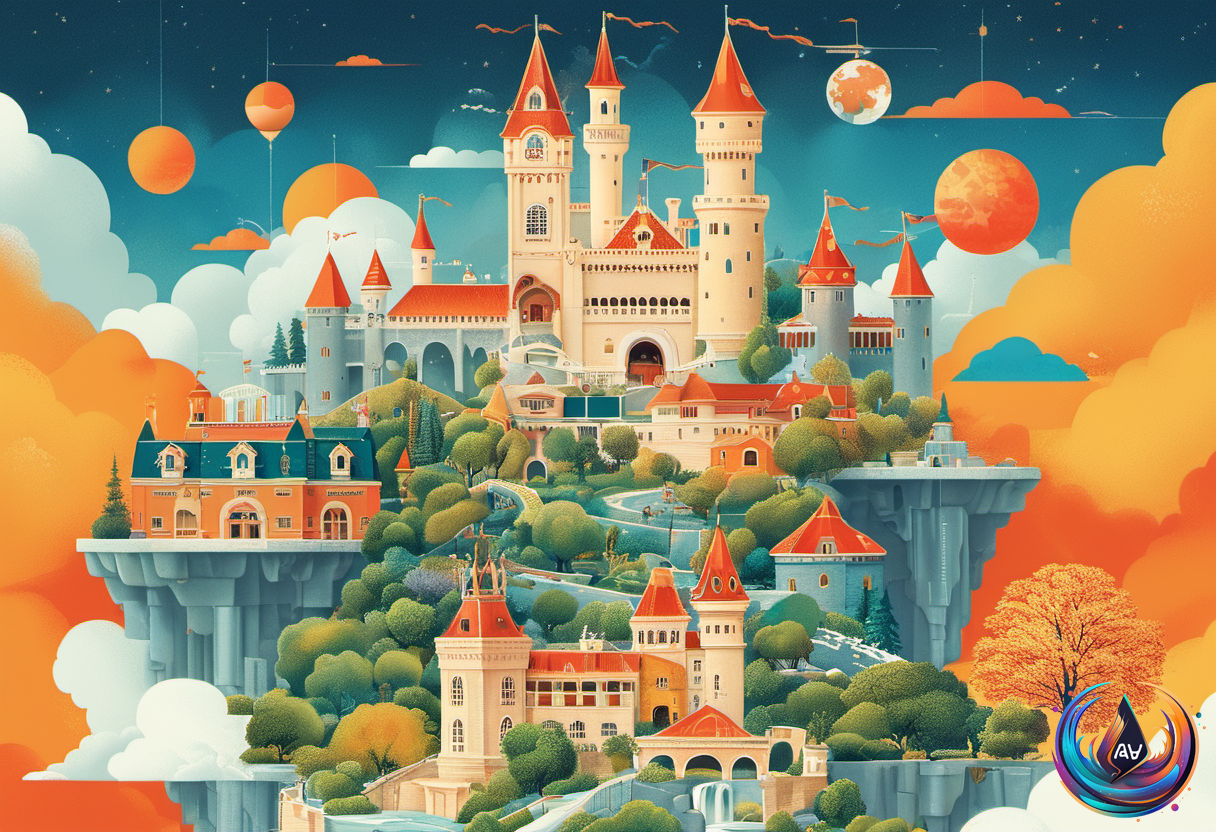
How Disney Is Integrating Generative AI Into Its Operations
 336
336Disney, a company built on storytelling and intellectual property, is exploring how to incorporate generative AI into its core operations. The goal is to boost speed and flexibility in creating content while maintaining control over brand safety, rights, and quality. Instead of treating AI as a side project, Disney is embedding it directly into its systems, signaling a strategic shift.
Embedding AI Within Disney’s Ecosystem
Disney’s partnership with OpenAI is a key step in this direction. The company is not just a licensee but also a major enterprise customer. Under the agreement, OpenAI’s video model, Sora, will generate short videos prompted by user inputs, using a set of Disney-owned characters and environments. This allows Disney to explore new ways to create engaging content quickly.
Beyond video, Disney plans to use OpenAI’s APIs to develop internal tools and enhance consumer experiences, including features tied to Disney+. Employees will also have access to ChatGPT for internal use. This integration aims to make AI a seamless part of Disney’s daily workflows rather than a separate, experimental tool.
Controlled Use of Generative AI
Disney is cautious about how AI is used to protect its brand and assets. The licensing deal explicitly excludes actor likenesses and voices, sets boundaries on which assets can be used, and enforces safety and age-appropriate controls. This ensures AI operates within strict governance parameters, reducing legal and creative risks.
By limiting AI to generate variations and volume within a controlled framework, Disney avoids the pitfalls of unrestricted generation. The aim is to use AI as a production layer that can produce useful variations, not complete finished products. This approach helps maintain Disney’s standards while enabling faster content adaptation and fan engagement.
Integration Into Workflows and Organizational Impact
One common challenge with enterprise AI projects is the disconnect from actual workflows. Many tools are separate from the systems where work happens, causing inefficiencies. Disney’s approach is different: it places AI directly where decisions are made. On the consumer side, AI-generated content will be featured on Disney+ rather than as a standalone experiment.
On the employee side, AI is accessed via APIs and integrated assistants, reducing the need for multiple, disconnected tools. This makes AI easier to govern and observe, lowering friction and encouraging adoption. Essentially, Disney is treating generative AI as a platform service that can be scaled across teams without increasing risk.
This strategy allows Disney to increase content variation without significantly expanding staff or manual effort. The focus is on using AI to shorten the path from a creative idea to a usable output—whether for marketing, social media, or fan engagement—rather than creating finished artifacts on its own.















What do you think?
It is nice to know your opinion. Leave a comment.