









Foundations of Large-Scale AI Training on AWS
 6
6Building and running large foundation models require powerful infrastructure and a well-coordinated software ecosystem. On AWS, this involves combining hardware, resource management, and open-source tools to support everything from training to inference. Understanding how these pieces fit together helps teams optimize performance and scale effectively.
Core Infrastructure: Compute, Networking, and Storage
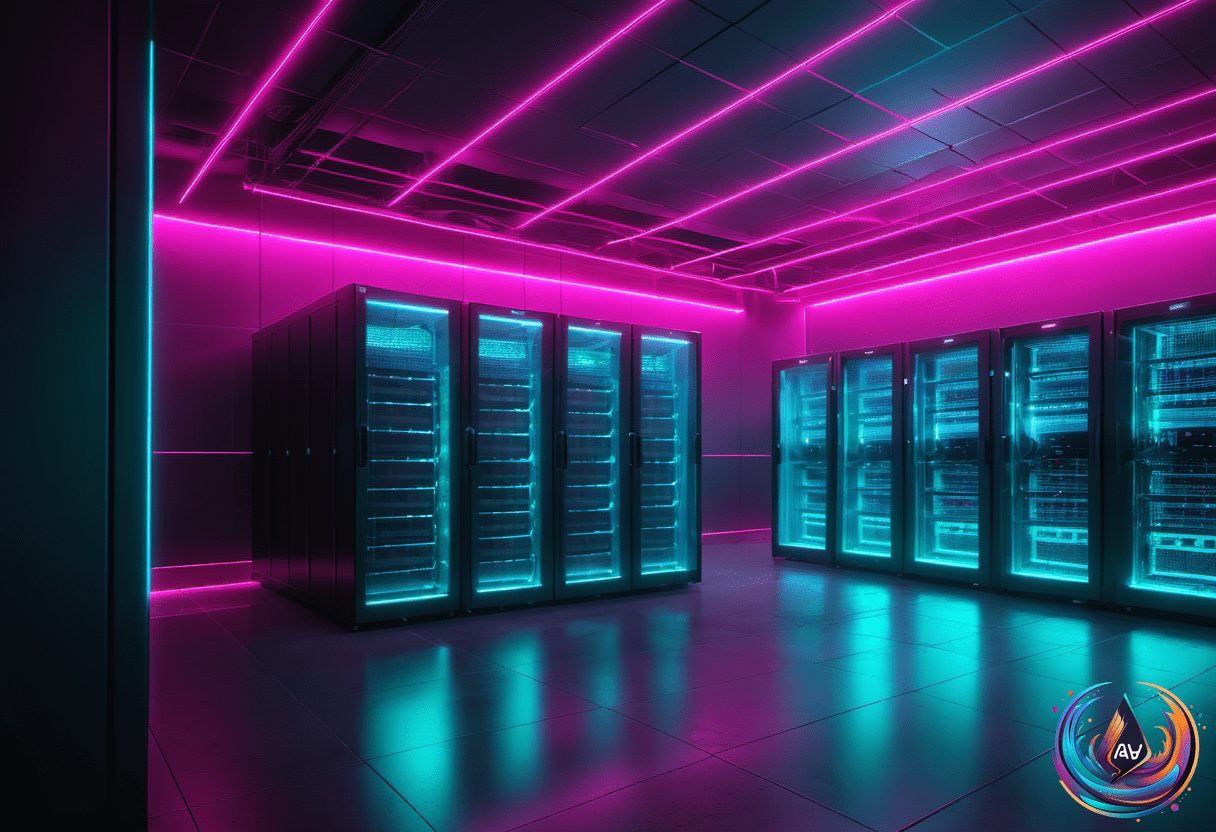
At the heart of foundation model work is the need for high-performance hardware. AWS offers various instances equipped with NVIDIA GPUs, such as the P5 and P6 families, designed for intensive AI tasks. These instances feature multiple GPUs with large memory capacities and fast interconnects, enabling efficient parallel processing across devices.
Reliable networking is also crucial. High-bandwidth, low-latency networks allow multiple GPUs to communicate efficiently, reducing training time. AWS provides options like NVLink and NVSwitch technologies, which connect GPUs within a server, while high-speed network interconnects link multiple servers together. Storage solutions like scalable distributed storage systems handle large datasets and model checkpoints, ensuring data is accessible quickly during training and inference.
Together, these hardware components create a robust environment for handling the massive compute demands of foundation models, supporting both pre-training and fine-tuning stages at scale.
Software Ecosystem and Resource Management
Managing resources across many GPUs and servers is complex. Tools like Slurm and Kubernetes help orchestrate workloads, ensuring optimal use of compute resources. These systems schedule tasks, allocate hardware, and monitor progress, making large-scale training more manageable.
On the software side, popular frameworks like PyTorch and JAX are used for developing and training models. These frameworks support distributed training, allowing models to be trained across multiple GPUs and nodes efficiently. Monitoring tools such as Prometheus and Grafana provide visibility into system health, performance metrics, and resource utilization, helping teams diagnose issues early and maintain cluster health.
Open-source software forms the backbone of this ecosystem, enabling flexibility and innovation. AWS integrates these tools with managed services, simplifying deployment and scaling, which is vital for ongoing model development and deployment workflows.
By combining powerful AWS hardware with sophisticated orchestration and software tools, organizations can build scalable, efficient systems for training and deploying foundation models. This layered approach ensures that every part of the process—from raw data to final inference—is optimized for performance and reliability. Understanding these building blocks helps teams push the boundaries of AI development at scale.














What do you think?
It is nice to know your opinion. Leave a comment.