









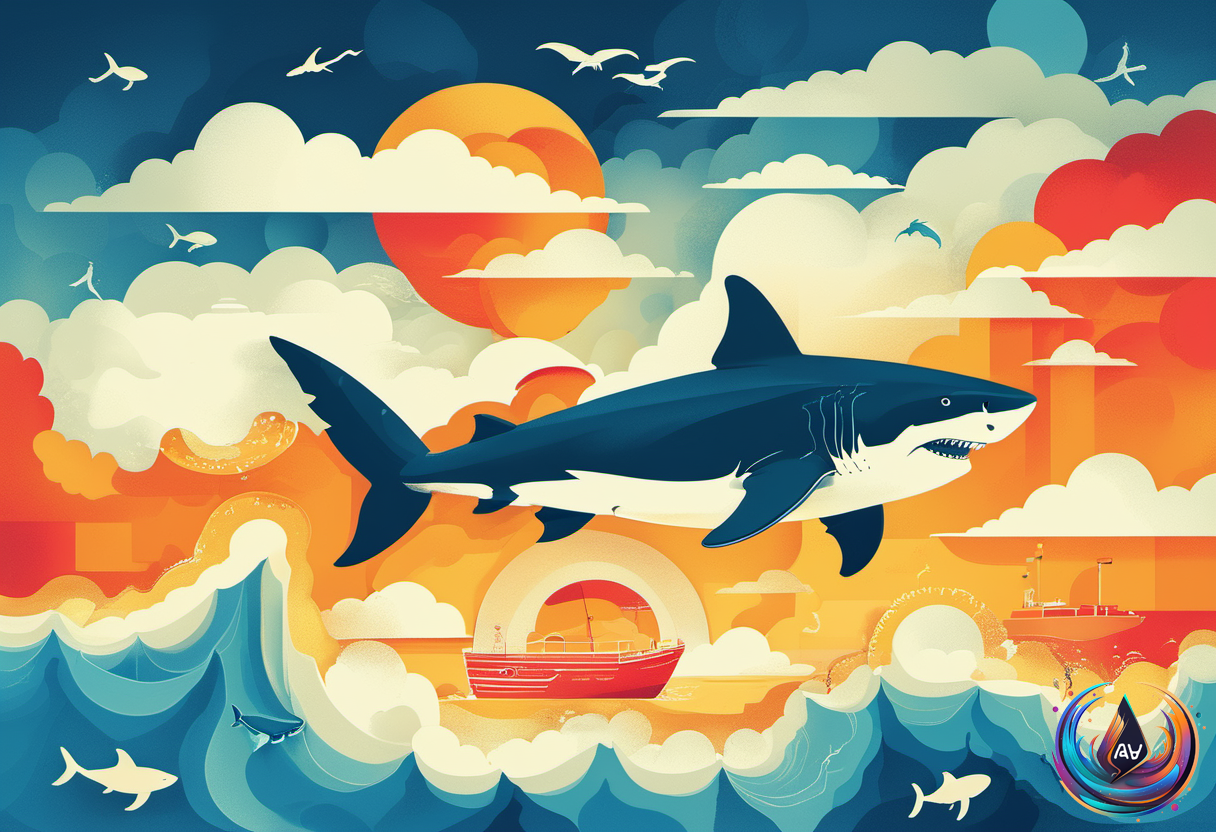
Rising Ocean Temperatures Threaten Great White Sharks
 120
120The great white shark, known as one of the ocean’s top predators, has thrived for millions of years by maintaining a body temperature warmer than the surrounding water. This ability gives it an evolutionary edge, allowing it to hunt more effectively and stay active in cooler waters. However, this advantage is now at risk as climate change causes ocean temperatures to rise significantly.
Sharks and Their Warmer Bodies
Great white sharks are considered “mesothermic,” meaning their bodies can regulate heat better than most fish. They generate heat internally, which helps them stay alert and fast in chilly waters. This trait requires them to consume more energy and fuel to keep their body temperature stable. Historically, this adaptation has helped them dominate their habitats.
But as global warming pushes seawater temperatures higher, these sharks face a new challenge. Their bodies are already operating at the upper limits of what they can handle. Overheating could impair their ability to hunt, reproduce, and survive, potentially leading to a decline in their populations.
Double Jeopardy: Warming Waters and Food Scarcity
Scientists warn that rising ocean temperatures aren’t the only threat. Many large fish species, including certain tuna and sharks, are also dealing with a decline in food sources. Overfishing has already diminished available prey, and warmer waters are causing shifts in marine ecosystems. Fish that once thrived in specific regions are moving to cooler areas or disappearing altogether.
This combination creates a “double jeopardy” for these species. They are forced to migrate to find cooler waters, but their food sources are also moving or vanishing. For great white sharks, this could mean longer, more exhausting journeys to find sustenance or suitable habitats. Such stress could further threaten their survival.
Scientists emphasize the importance of understanding these changes to protect marine ecosystems. If current trends continue, we might see a significant decline in top predators like great white sharks, which play a crucial role in maintaining healthy ocean environments.
Overall, the future of great white sharks looks uncertain as climate change accelerates. Protecting their habitats and managing fishing practices could help mitigate some risks. But without significant action to curb global warming, these iconic predators could face overheating and habitat loss, threatening their place in the ocean’s food chain.

















What do you think?
It is nice to know your opinion. Leave a comment.