Headphones Are Legal in Many States, But That Does Not Make Them Safe
Whether you can wear headphones behind the wheel depends on where you drive and how you use them. No state completely bans every instance of headphone use while driving, and Arizona, Texas, Alabama, and many other states have no restrictions at all, even when headphones cover both ears.
Other states draw a clear line between one ear and two. Louisiana, California, Maryland, and Washington prohibit drivers from using headphones in or on both ears, but allow an earbud in one ear. Colorado and Georgia permit one earbud only when the driver is making a phone call, while Alaska provides an exception for using GPS systems.
That patchwork can make a simple road trip confusing. A driver may be allowed to wear headphones in one state but break the law after crossing a border, especially if both ears are covered.
There is also a bigger issue than the wording of a state law. Headphones, especially those covering both ears, can block sirens, approaching cars, and horns. Most states do not restrict headphone use while driving, but the practice works against basic road safety and can make it harder to react to danger.
Police can also treat headphone use as distracted or reckless driving. If headphone use overlaps with handling a phone, drivers can run into distracted-driving laws in places such as Nevada or Michigan. An accident can create legal trouble too, even when the headphone-wearing driver did not cause the crash. A lawsuit may argue that using headphones was negligence or that the driver failed to meet a duty of care.
South Carolina’s Phone Rules Raise the Stakes for Fleets
South Carolina moved from warnings to citations on February 28, 2026, when the full enforcement phase of its Hands-Free and Distracted Driving Act began. That date also ended the law’s 180-day grace period, which focused on education and warnings.
Under South Carolina Code § 56-5-3890, drivers cannot physically hold or support a mobile device with any part of their body while operating a vehicle on public roadways. The rule applies even when a vehicle is stopped at a traffic light or caught in congestion, so pulling up to a red light does not create an exception.
The law matters beyond private drivers. Full enforcement affects commercial fleet operators and their roadside stops, CDL standing, employer liability, insurance underwriting, and litigation evidence. A driver pulled over while using a phone can create an availability problem for the fleet and expose the organization to legal risk.
Federal guidelines classify mobile-device use behind the wheel as a serious traffic infraction. Two mobile-device infractions over a rolling three-year period require a 60-day driver disqualification under federal rules, while a third offense can bring a 120-day disqualification.
A documented violation under South Carolina Code § 56-5-3890 can provide strong evidence that a driver or company breached its duty of care after a collision. If a fleet has weak oversight, that evidence can support substantial punitive damage claims. Commercial auto insurers also review driver violation records and telematics data during underwriting, and a pattern of phone-related incidents can lead to higher premiums, larger deductibles, or non-renewal.
CarPlay Offers a Safer Alternative to Headphones
Drivers often reach for headphones because they want music, calls, or directions without holding a phone. In most cars, there is already another option: almost every vehicle offers a way to connect a phone or music service through Bluetooth, an AUX cord, or a USB port.
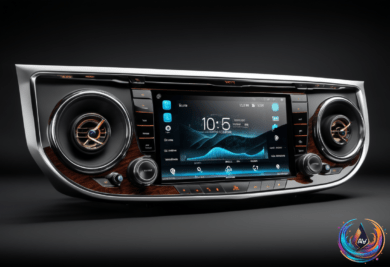
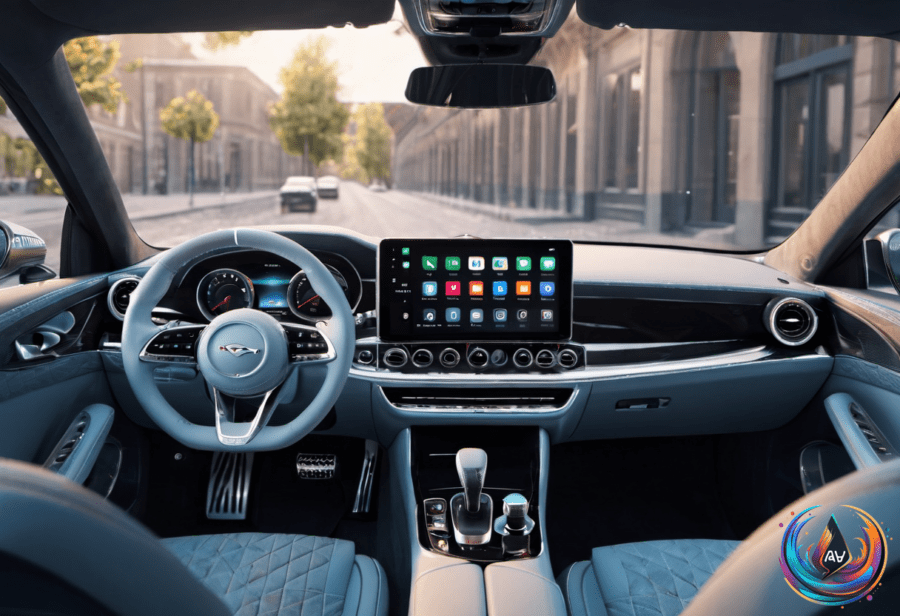
CarPlay supports hands-free access to navigation, calls, and music. Support goes back to the iPhone 5, and Ford, Hyundai, BMW, and Honda have integrated it into their models. Wired CarPlay requires an iPhone, a USB cable, and an internet connection when the driver plans to use navigation or stream music.
Newer vehicles with wireless CarPlay remove the need to plug in an iPhone. That setup avoids the problems of a cabled connection, though wireless CarPlay can sometimes have connectivity issues. Wired CarPlay can be the better choice when a stable connection matters or when the phone needs to charge during a drive.
Battery life can also shape the choice of audio gear. The figures in the product discussion range from up to 8 hours with active noise cancellation and 24 hours with a case to 30 hours, 35 hours, 12 hours, 9 hours, and 20 hours. One option offers up to 10 hours, or 8 hours with ANC, while its case adds 35 hours.
That range may sound useful for workouts or travel, but longer battery life does not solve the road-safety problem. Earbuds and workout headphones also collect dirt and need cleaning, yet clean earbuds remain headphones, with the same limits on hearing what happens around a moving vehicle.
The safest choice is simple: use the car’s speakers and hands-free system when possible, keep the phone off your body, and check the rules in every state where you drive. Legal permission answers one question. It does not make blocked hearing or phone distraction safe.
Based on
- Can you wear your headphones while driving? It depends on the state — engadget.com
- Jeffcoat Injury Lawyers Launches Fleet Compliance Initiative Following South Carolina Hands-Free Act Enforcement | Currency News | Financial and Business News | Markets Insider — markets.businessinsider.com
- Wired Vs. Wireless CarPlay: How Are They Different & Which Is Better To Use? — engadget.com
- How To Clean Your AirPods, And The Best Earbud Cleaning Kits For The Job — ctvnews.ca
- 8 Best Workout Headphones & Earbuds: Beats, Bose, Apple (2026) | WIRED — wired.com