









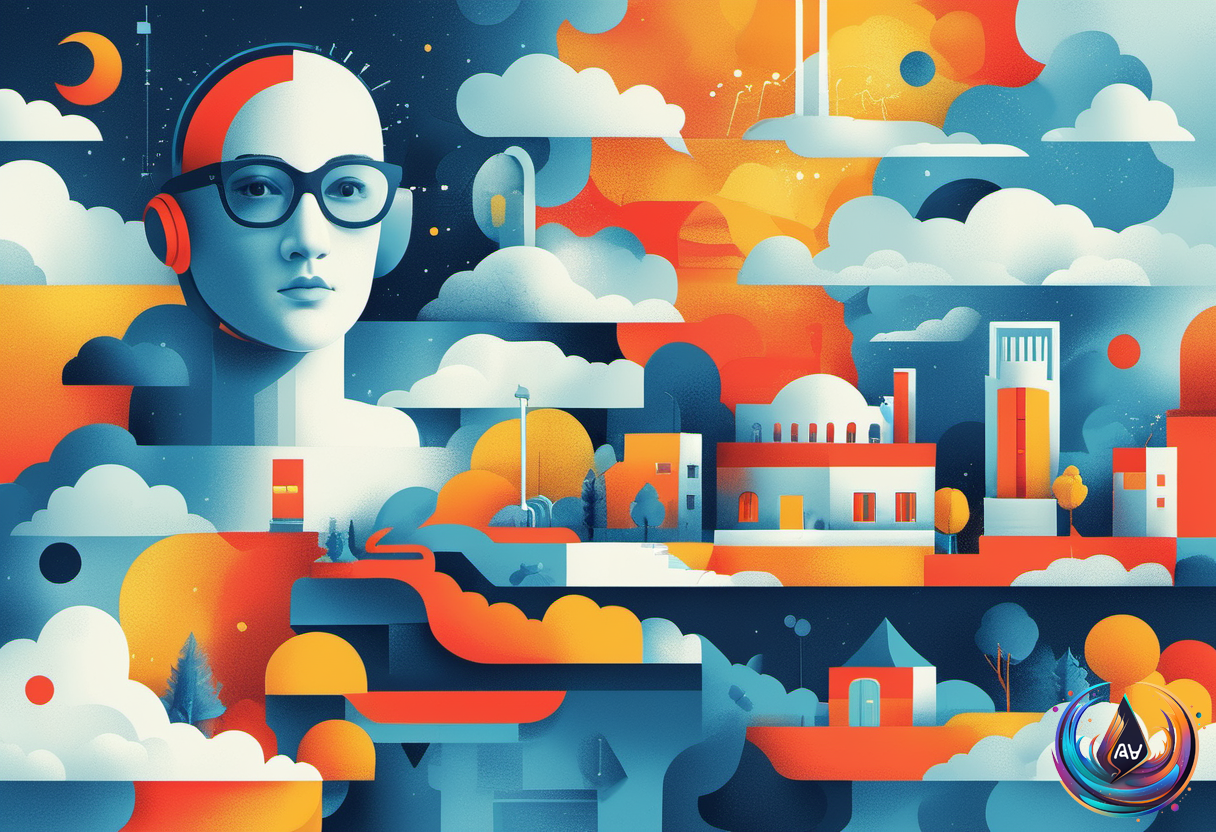
How AI Image Cloning Turns Pixels into Perfect Digital Duplicates
 400
400AI image cloning has become a fascinating tool that can create surprisingly realistic copies of photos or even people. What used to feel like science fiction is now a reality, thanks to advances in artificial intelligence. These tools can generate images that look almost identical to the original, sparking both excitement and some unease about what’s possible today.
How Does AI Image Cloning Work?
At its core, AI image cloning is all about pattern recognition. The AI system is trained on thousands or even millions of images. During this process, it learns to recognize shapes, shadows, proportions, and colors. Think of it like teaching a painter to see every brushstroke in countless artworks. Once trained, the AI can take a new input, such as a selfie, and reimagine it with impressive detail and accuracy.
This process isn’t just copying pixels randomly. Instead, the AI interprets what it sees. So, when you upload a photo, it understands the basic features and then can transform that image into different styles or scenarios—like turning a casual photo into a fantasy scene or a comic book cover. The AI doesn’t truly know who you are, but it can recreate your look in ways that feel very real.
The Creative and Uncensored Side of Image Cloning
Some AI cloning tools are designed with safety in mind, adding restrictions on what users can create. But many platforms promote themselves as “uncensored,” giving users free rein to experiment. This openness can be exciting for artists or storytellers who want to push boundaries and create wild, imaginative images. However, it comes with risks. Without limits, some images can be unsettling or inappropriate.
It’s like giving someone a blank canvas and a giant box of paint—there’s potential for beautiful art, but also for messes. Users need to be careful and mindful of how they use these powerful tools. The freedom to create is thrilling, but responsible use helps ensure the technology remains a force for good rather than harm.
What Does AI Image Cloning Mean for Us?
More than just a cool tech trick, AI image cloning taps into something deeply human: our desire to see ourselves in new ways. Whether it’s curiosity, vanity, or a creative urge, many find it moving to watch AI remix photos into fantastical or surreal images. It’s a way to reflect on our identity—seeing ourselves in different styles, worlds, or scenarios—without losing the essence of who we are.
While these tools don’t replace real relationships or experiences, they open a window to new perspectives. They challenge us to think about how we see ourselves and how technology can expand that vision. In the end, AI image cloning is a mirror that can reflect more than just pixels—it can reveal how we imagine ourselves and what we value.
Overall, AI image cloning is a powerful blend of art and technology. It transforms simple photos into portals of endless possibility. Whether you’re excited to explore or cautious about its implications, it’s clear that these tools are changing how we understand and represent ourselves in the digital age. The key is to use them wisely—creatively, ethically, and with a sense of wonder about what’s still to come.














What do you think?
It is nice to know your opinion. Leave a comment.