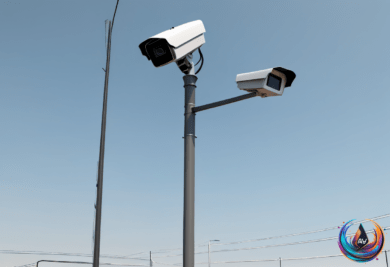
In recent weeks, a new wave of stories has emerged about how modern technology is transforming law enforcement and privacy. At the heart of this shift is the increasing use of advanced data systems that give agencies unprecedented access to personal information.
One of the most striking revelations involves immigration enforcement. Officials have confirmed that they now have a database of around 20 million potential targets, accessible directly from their smartphones. This massive list, built with the help of a powerful data integration platform, allows agents to locate and identify individuals much faster than before. From potential deportation targets to people with no criminal record, the scope is broad and raises serious questions about civil liberties.
The technology behind this capability pulls from dozens of sources, including health records, financial data, and commercial databases. By combining these datasets, law enforcement can generate detailed profiles, map addresses, and even assign confidence scores to their targets. This makes raids and arrests more efficient but also sparks fears of mass surveillance and wrongful detentions.
The Growing Power of Data-Driven Policing
What’s particularly concerning is how seamless and rapid this process has become. What once took hours or days can now be done in minutes. Officials boast that this boosts effectiveness, but critics warn it could lead to abuses. Most people detained by ICE, for example, have no criminal convictions—yet they are caught in this dragnet, often based on vague or outdated data.
The tools enabling these operations are sophisticated. One called ELITE, for instance, maps out potential targets, aggregates personal info, and produces confidence levels about addresses. The goal is to streamline enforcement, but it also means every person in the database is subject to being targeted without due process.
Privacy Concerns and Ethical Dilemmas
This rapid expansion of surveillance technology comes with serious privacy questions. When millions of names and personal details are stored and easily accessed, the line between legitimate law enforcement and mass monitoring blurs. Many argue that such systems violate basic rights, especially when a large portion of those caught have no criminal record or active warrants.
While officials claim these systems improve safety and efficiency, critics point out the risks of false positives, data breaches, and the erosion of civil liberties. The use of AI and big data in policing is still evolving, but the trend suggests a future where privacy is further compromised in the name of security.
As these technologies become more widespread, the debate about their ethical use intensifies. Are we sacrificing our privacy for convenience and safety? Or are these tools creating a surveillance state that’s hard to control? The answers aren’t clear yet, but one thing is certain: the digital age is rewriting the rules of law enforcement and personal privacy.
Based on
Behind the Blog: New Music and a Crash Out — 404media.coICE Agents Have List of 20 Million People on Their iPhones Thanks to Palantir — 404media.coBehind the Blog: Storage Woes and RSS — 404media.coICE Agents Have List of 20 Million People on Their iPhones Thanks to Palantir – Cyber Media Creations — cybermediacreations.comICE Has 20M Names On Their Phones Due To Palantir – Joe.My.God. — joemygod.com404 Media — Journalism & Media | Blogs Are Back — blogsareback.com