









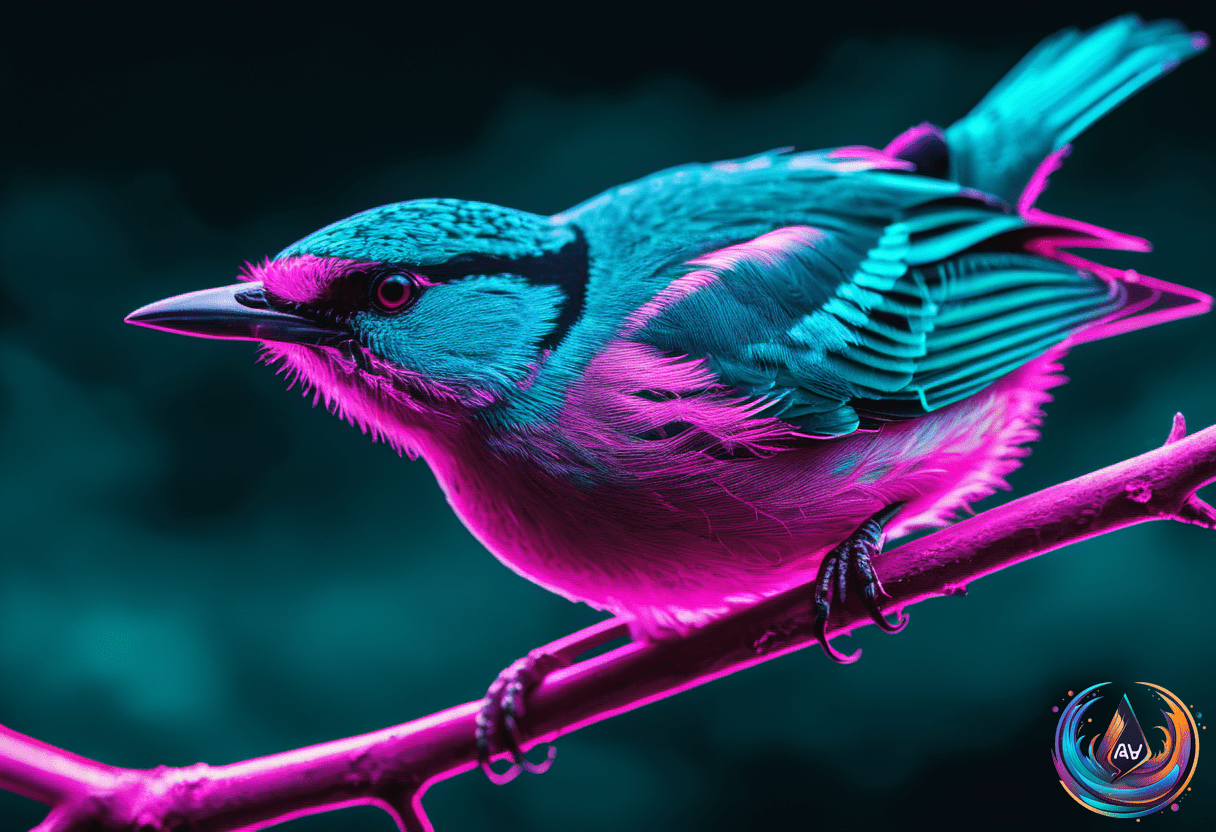
How Birds Achieve Extreme Vision Without Blood Vessels
 2
2Birds have some of the sharpest eyes in the animal kingdom, yet their retinas are mostly devoid of blood vessels. This is surprising because most vertebrates rely on dense blood vessel networks to supply oxygen to their eyes. The retina is highly active and energy-hungry, making this a big mystery for scientists for a long time.
The Unique Bird Retina
Unlike human retinas, which are packed with blood vessels, bird retinas lack most of these structures. Instead, they use a different method to keep their eye tissue alive. Researchers found that birds survive without oxygen in their retinas by relying on a process called anaerobic glycolysis. This process produces energy without oxygen, though it’s less efficient than normal oxygen-based metabolism.
By studying how bird eyes work without oxygen, scientists hope to learn more about tissue survival under extreme conditions. This research might even lead to new treatments for humans who suffer from oxygen deprivation, such as during strokes. It also pushes the boundaries of what we think is possible for living tissues to survive and function.
Understanding Oxygen and Energy Production
Oxygen is crucial for energy production in most animals. It allows cells to break down glucose more efficiently, creating a lot more ATP, the energy currency of cells. This process, called aerobic respiration, makes energy production up to 15 times more efficient than without oxygen. When oxygen is available, organisms can produce enough energy to support complex tissues and high activity levels.
However, some bacteria and simple organisms can survive without oxygen by using anaerobic processes. Birds have evolved a way to do this in their retinas, allowing them to maintain their extraordinary vision without the usual blood supply. This adaptation shows how flexible evolution can be when faced with extreme environmental challenges.
Overall, the discovery that bird retinas can survive without oxygen challenges previous assumptions. It demonstrates that even highly active tissues can adapt to extreme conditions through alternative energy pathways. This insight broadens our understanding of biology and the limits of life on Earth.














What do you think?
It is nice to know your opinion. Leave a comment.