









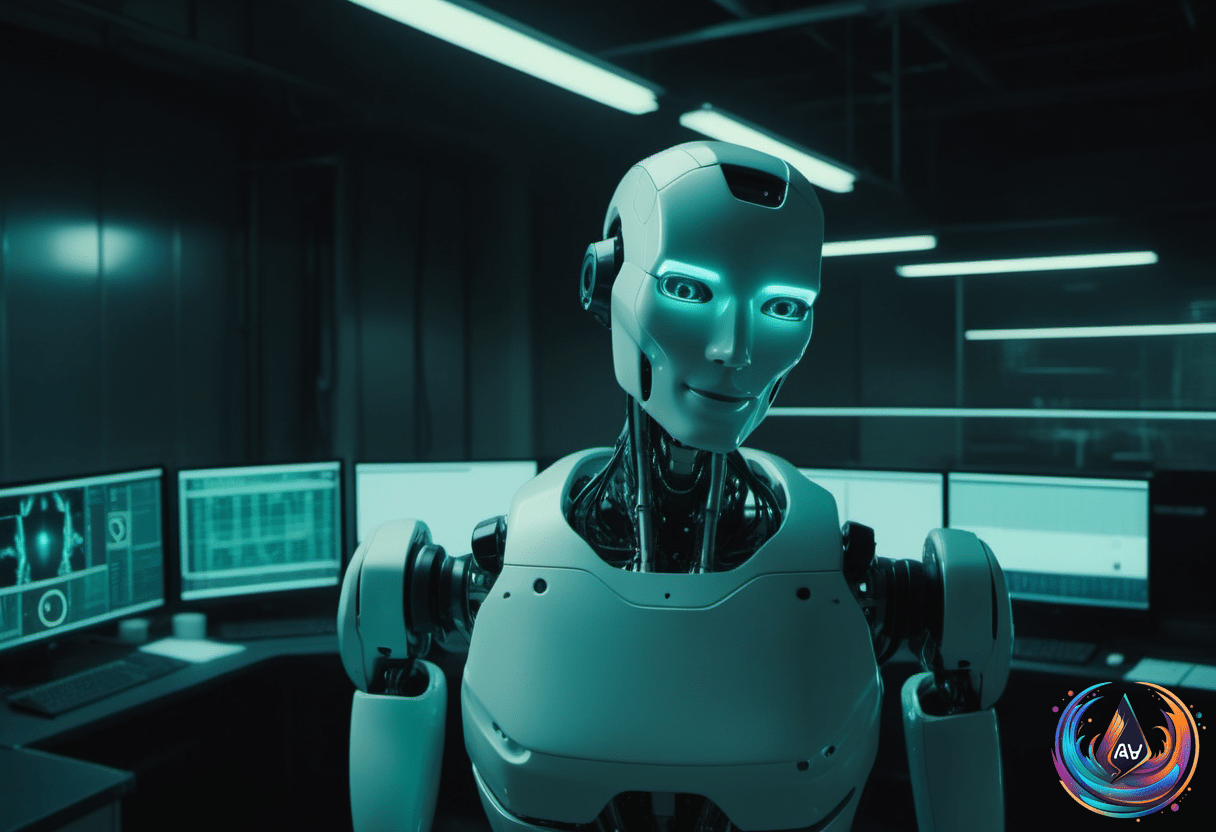
Humanoid Robots Make Inroads in Factory Workplaces
 2
2More companies are starting to bring humanoid robots into factory environments. These physical AI systems are moving beyond labs and testing grounds, showing real potential for manufacturing tasks. Recent agreements and pilot projects highlight how robots can handle physical work, like moving boxes and supporting production lines, with companies planning large-scale deployments in the near future.
Major Companies Test Humanoid Robots in Manufacturing
British tech firm Humanoid has announced plans to deploy up to 2,000 humanoid robots at Schaeffler’s factories worldwide by 2032. The initial installations are set for late 2026 to mid-2027 at two German sites. These robots will perform tasks such as handling boxes and integrating into existing production lines, supporting efficiency and safety improvements.
The partnership also includes Schaeffler becoming Humanoid’s preferred supplier for key components like actuators, which are essential for robot movement. Over the contract period, they expect to supply at least one million actuators, indicating a significant scale of collaboration. This move signals a shift toward more automation and physical AI integration in traditional manufacturing sectors.
Startups Collect Data to Improve Robot Performance
Meanwhile, startups are gathering data to refine how robots and AI systems work alongside humans. South Korean company RLWRLD, for example, is collecting motion data from workers in hotels, warehouses, and retail stores. They use body cameras and sensors to analyze how staff perform tasks like folding napkins or lifting goods.
By tracking detailed movements and grips, RLWRLD aims to develop AI that can better understand physical tasks and assist workers more effectively. They are working with companies like logistics giants and convenience store chains to expand this data collection. The goal is to create smarter robots that can adapt to complex, real-world environments, making factory and service work safer and more efficient.
These developments show how physical AI is progressing quickly, with real-world applications in manufacturing and beyond. As more companies test and adopt humanoid robots, the landscape of factory work is set to change, blending human skills with robotic precision and endurance. This shift could lead to faster production, improved workplace safety, and new opportunities for workers and businesses alike.














What do you think?
It is nice to know your opinion. Leave a comment.