









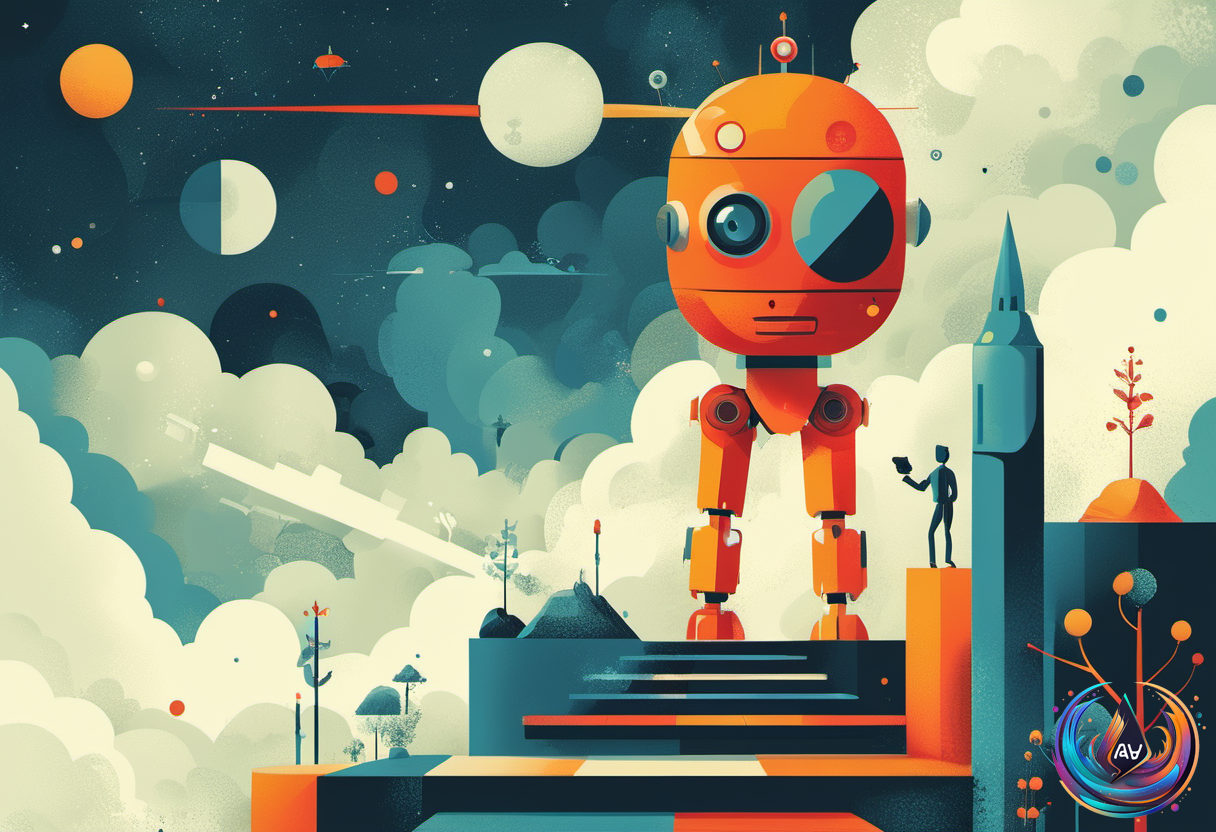
The Future of Humanoid Robots and Their Impact
 436
436The world of robotics is approaching a new era with the rise of humanoid robots. These machines are designed to look and move like humans, promising to change many aspects of daily life. Countries and companies around the globe are investing heavily in making these robots a reality, aiming to create versatile machines capable of performing a wide range of tasks.
Global Efforts and Trends in Humanoid Robotics
Humanoid robots are gaining attention worldwide, with different regions taking unique approaches. In the United States, major tech companies like NVIDIA, Amazon, and Tesla are leading the way through private investments and innovative startups focused on this technology. Meanwhile, China has made humanoids a key part of its national strategy, aiming to become a global leader in robotics. Japan has been a pioneer since Honda introduced Asimo in 2000, focusing on developing robots that can coexist comfortably with humans. Europe, on the other hand, emphasizes ethical considerations and collaborative robots that can work alongside humans safely and effectively.
These efforts show a clear trend: the goal is to develop general-purpose humanoid robots that can handle various tasks, from industrial jobs to personal assistance. Each region’s approach reflects its priorities—whether innovation, ethics, or societal acceptance—driving the industry forward in different ways. As technology advances, these robots are expected to become more sophisticated and adaptable, opening new opportunities across many sectors.
Challenges and Future Perspectives
Despite the excitement, there are still significant hurdles before humanoid robots become common in homes and workplaces. Mass adoption as household helpers may take years, especially given the technical, social, and ethical challenges involved. A recent report from the International Federation of Robotics highlights that humanoids are unlikely to replace existing robot types but will rather complement them, expanding what robots can do.
Designing robots that can seamlessly coexist with humans remains complex. Issues like safety, affordability, and societal acceptance need to be addressed. Experts believe that the next phase will focus on improving robot interaction and making them more adaptable to real-world environments. While these challenges exist, the potential benefits are immense—improving manufacturing, healthcare, and even everyday life.
Looking ahead, humanoid robots hold the promise of transforming many industries. They could help automate dangerous jobs, assist in medical procedures, or provide companionship. As development continues and production scales up, it will be fascinating to see how these advanced machines influence our world in the coming years. The journey toward widespread humanoid robot adoption is just beginning, and the future looks promising for robotics innovation.

















What do you think?
It is nice to know your opinion. Leave a comment.