









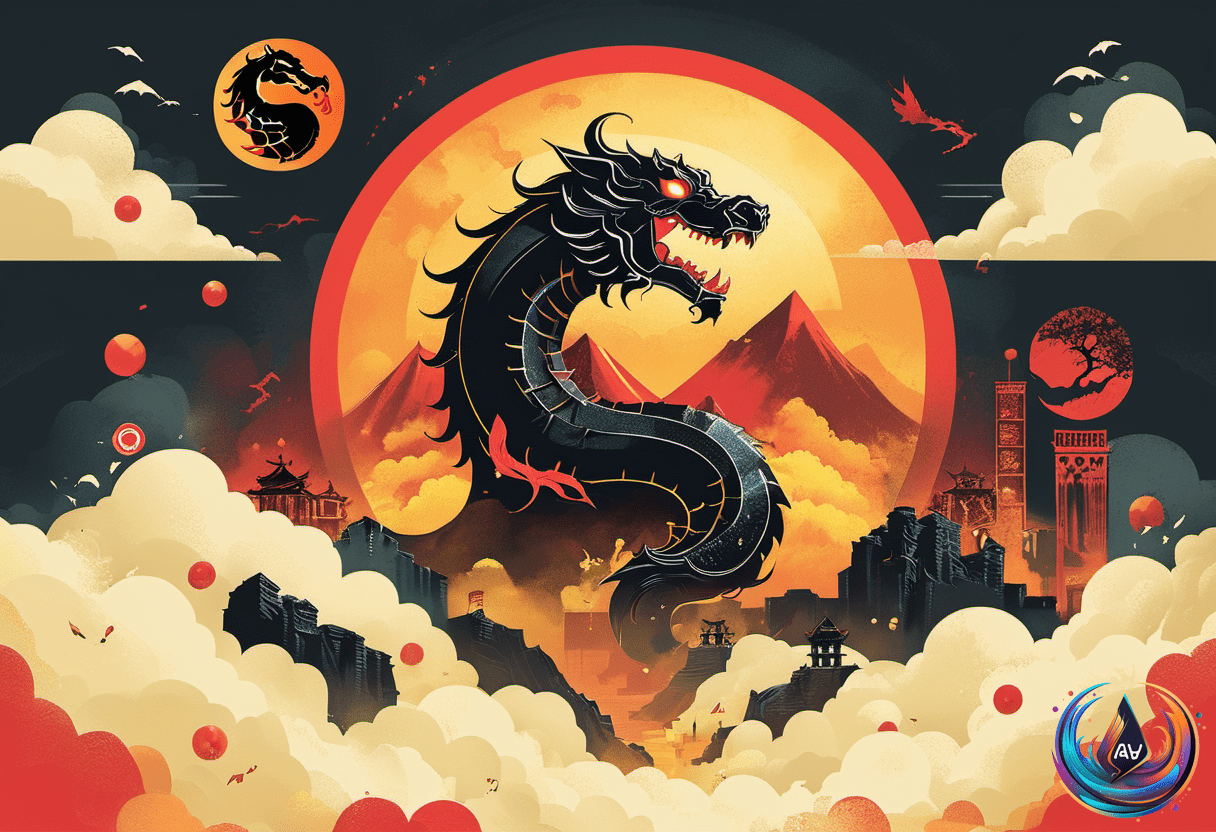
Mortal Kombat II Brings Depth to the Classic Franchise
 5
5Mortal Kombat II hits theaters with a fresh take that balances campy fun with impressive action. While it nods to the over-the-top style of ’90s martial arts movies, it also strives to elevate the fight scenes and character development. Fans of the franchise and newcomers alike may find themselves surprised by how much effort went into making this sequel more than just a guilty pleasure.
Reimagining Classic Characters with Depth
The film introduces familiar faces like Johnny Cage and Kitana, but with new layers. Johnny Cage, played by Karl Urban, is portrayed as a washed-up action star stuck at a fan convention, feeling the weight of his past. Urban captures the self-deprecating humor and vulnerability of a character who’s only ever pretended to be a hero. His physical comedy shines in his first fight scene, but what makes him stand out is his gradual transformation from a parody to a genuine hero.
Meanwhile, Kitana’s story adds emotional weight to the movie. As a child princess forced to witness her father’s murder at the hands of Shao Kahn, her arc revolves around revenge and loyalty. She’s tasked with balancing her desire for justice with her role as Kahn’s loyal servant. Her iconic combat fan, made of knives, is a small but meaningful detail that highlights her strength and resilience. The film gives each character a chance to grow, moving beyond mere fighting to explore their motivations and struggles.
Enhanced Fight Sequences and Cinematic Vision
One of the most noticeable improvements over the original is the fight choreography. The director, Simon McQuoid, and his stunt team dedicated more time to planning each move, leading to more dynamic and visually engaging scenes. The fights are more complex, with characters using their environment in inventive ways. This focus on choreography means that even casual viewers can appreciate the artistry behind each punch and kick.
The film also emphasizes the skill involved in combat, making the fights feel more realistic and impactful. While the story leans heavily on the tournament premise—similar to previous entries—the action sequences often take center stage. This approach appeals to fans who enjoy martial arts movies and appreciate the visual ballet of well-executed fight scenes. The balance between spectacle and character moments helps keep the story grounded amid the fantastical elements.
Despite these strengths, the film does rely on its predecessor, making it less accessible for newcomers. If you haven’t seen the first Mortal Kombat reboot, some plot points may feel confusing. The emphasis on martial arts action means there’s less dialogue and character interaction than traditional films, which might not appeal to everyone. However, those who enjoy watching characters express themselves through fight choreography will find plenty to like.
Overall, Mortal Kombat II manages to be more than just campy nostalgia. It blends humor, character development, and intense action into a film that respects the franchise’s roots while pushing it forward. Fans of martial arts films and action movies will likely find it a thrilling ride, even if it isn’t perfect. It’s a solid step for the series and a reminder that great fight scenes can tell stories just as compelling as dialogue.














What do you think?
It is nice to know your opinion. Leave a comment.