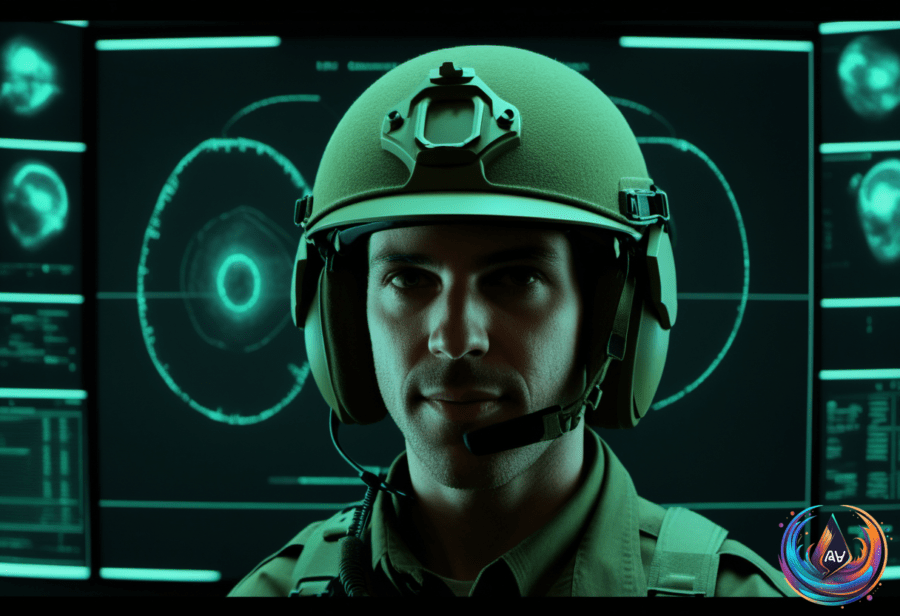
Imagine soldiers seeing the battlefield like a video game—except this game controls real drones, tracks enemies, and guides life-saving decisions. This is not sci-fi. It’s happening now. Anduril, a defense tech powerhouse, is building next-level smart glasses that could transform warfare forever.
Augmented Reality Meets the Frontline
Soldiers wear helmets loaded with screens that overlay maps, enemy positions, and drone feeds onto their real-world view. These aren’t simple HUDs. They integrate AI, voice commands, and eye tracking to create a seamless battlefield experience. Imagine spotting a target, then sending a drone to scout or strike with just a glance and a spoken order.
Anduril’s vision is bold: make the soldier a “human weapons system.” This means drones and troops working as one unit, sharing data instantly. It’s a cyborg-like future where man and machine see and think together. The goal is clear—make soldiers faster, smarter, and safer in chaotic combat zones.
Two Paths to the Future of Combat Glasses
Anduril is racing on two tracks. The first is Soldier Born Mission Command (SBMC), a $159 million project with Meta. This system adds smart glasses to existing helmets, layering critical info without overwhelming the user. The second is Anduril’s own self-funded EagleEye helmet and headset combo. It’s a fully integrated system designed from the ground up for warfighters.
Both projects use Anduril’s AI software Lattice OS. This platform connects sensors, drones, and weapons into one digital battlefield map in real time. It’s the brain behind the glasses, turning raw data into actionable intelligence. Lattice even taps large language models to translate soldiers’ voice commands into complex drone operations.
For example, a soldier might order a drone to scout an area, then reroute it to attack a target once identified. The system can suggest the best moves but leaves final decisions to the command chain. Eye tracking and subtle taps could replace voice commands, making communication silent and instant.
Breaking Barriers in Military Tech
These smart glasses face huge challenges. Soldiers already drown in information during combat. Adding more data risks distraction. The interface must deliver only what’s essential at the right moment. If it’s too complex, troops will reject it. Anduril’s veteran leadership knows this well. They aim to streamline info flow and reduce mental load.
Hardware has strict rules. Components must avoid foreign suppliers, especially Chinese companies, to meet US military standards. This forces new supply chains and tougher engineering. The prototypes are still years from mass deployment. The Army might not field these glasses until 2028 or later.
Still, the pressure to innovate is huge. Previous efforts, like Microsoft’s $22 billion contract, failed when the technology couldn’t keep up. Anduril’s multi-billion-dollar funding round shows the industry believes augmented reality is the next frontier. The company’s $61 billion valuation signals massive private demand for defense AR systems.
More Than Just Glasses: A New Way to Fight
Anduril’s portfolio spans drones, autonomous interceptors, underwater vehicles, and AI-powered sensors. The smart glasses fit into this ecosystem, linking all assets through Lattice OS. This creates a layered defense system where humans and machines react instantly to threats.
Imagine a drone swarm spotting enemy artillery, feeding data to a soldier’s glasses. The soldier approves a strike with a glance, and autonomous drones handle the rest. This reduces risk to troops and speeds up battlefield decisions. It’s a game-changer in modern warfare.
But this technology raises new questions. How will soldiers trust AI recommendations in life-or-death moments? How much control should machines have? The balance between human judgment and AI assistance is delicate. Field testing will be crucial to find the right mix.
Looking Ahead: The Future of Warfighter Tech
The next few years will shape how augmented reality reshapes combat. Anduril and Meta’s prototypes are on the cutting edge, but widespread adoption demands flawless tech and soldier buy-in. Success means smarter, faster decision-making on the battlefield and fewer casualties.
Watch for these smart glasses to evolve from bulky prototypes to sleek, reliable gear. They will become as indispensable as radios once were. Anduril’s EagleEye and SBMC projects could define the future of warfare—where soldiers see more, think faster, and fight smarter with AI as a true partner.
The battlefield is entering a new era. Smart glasses are just the start. The fusion of AI, drones, and soldiers promises to rewrite the rules of combat. Are we ready to see war through augmented eyes? The future is arriving fast—and it’s thrilling.
Based on
- Inside Anduril and Meta’s quest to make smart glasses for warfare — technologyreview.com
- Check Out Anduril’s Eagle Eye Augmented Reality System – Military & War News — militarywar.whatfinger.com
- Anduril Raises $5 Billion, Hits $61 Billion Valuation in Defense Tech Surge — trendingtopics.eu
- 6 AR Developments In 2026 That Surprise Investors, Here’s Why They Matter – Glass Almanac — glassalmanac.com