









Are Smart Glasses Turning Privacy Into a Thing of the Past
 353
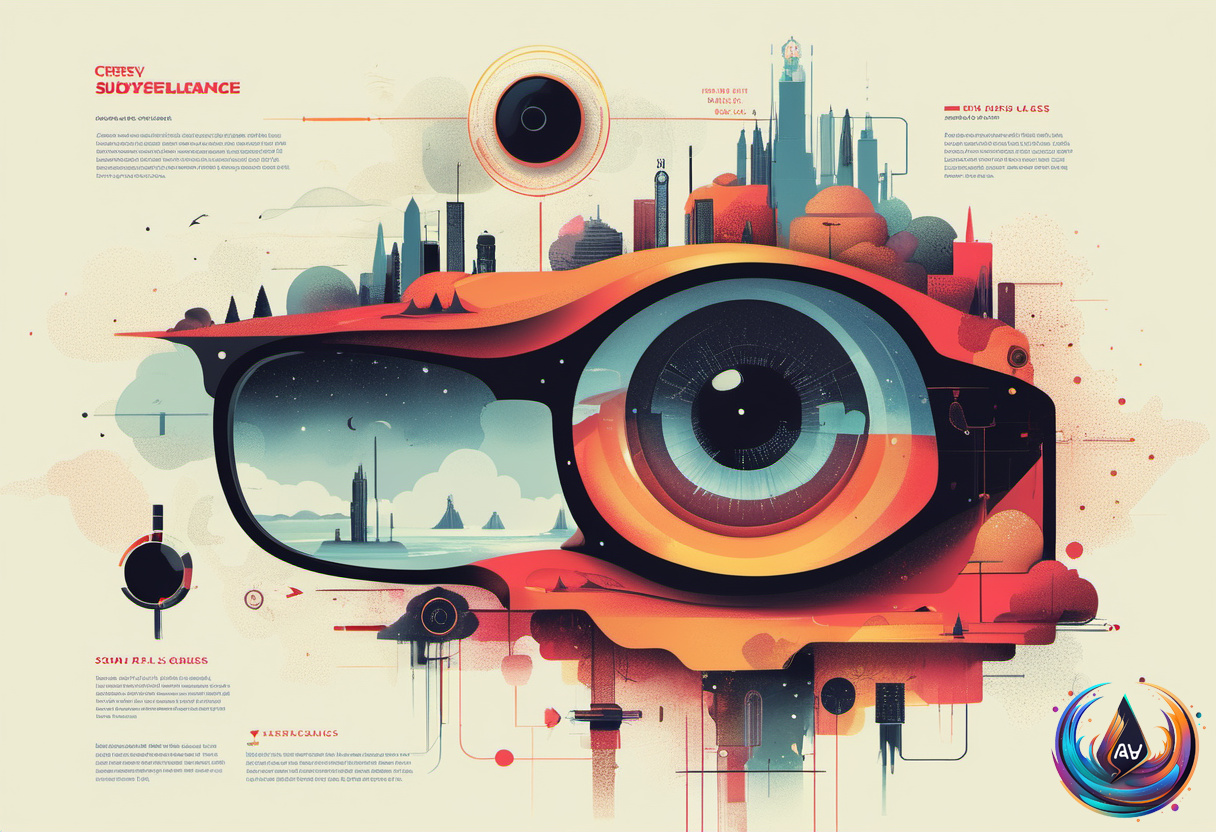
353Imagine a pair of smart glasses that record everything you see and hear, all in the name of making you smarter. Sounds like something out of a sci-fi movie, right? Well, a startup called Halo is trying to bring that idea to life with their new product, Halo X. But not everyone is on board with this tech. Many people are raising alarms about what it could mean for privacy and personal freedom.
The Promise of Halo X and Its Bold Claims
Halo X is marketed as a device that can feed users live AI insights while logging every conversation and moment. The creators say it will help you remember details like who you talked to last Friday or what you discussed, all with its “infinite memory.” The goal? To make users incredibly smart by offloading some thinking tasks to AI. They even suggest it could change the way people “vibe think,” blending human thought with AI assistance. It sounds impressive, but also a bit unsettling. The idea is that you won’t just think; you’ll think with the help of a device that records and analyzes your every move.
Privacy Concerns and Ethical Questions
Many critics worry about the privacy implications of glasses that record everything without obvious indicators. Unlike some smart glasses that light up when recording, Halo X doesn’t have any visual cue to show when it’s capturing video or audio. Privacy lawyer Whitney Merill pointed out that people don’t want or need this kind of constant surveillance. It’s a modern twist on the old panopticon, a prison design where guards could watch everyone without being seen. The fear is that wearers and those around them will never know when they’re being watched, creating a society of uncertainty and mistrust.
Another issue is how these glasses handle consent. Halo’s co-founder, Caine Ardayfio, mentioned that getting permission for recording is “ultimately just up to the user.” But what happens when someone is recorded without their knowledge or consent? Laws in some places require both parties to agree before recording, and it’s unclear how Halo X will comply with these rules. Plus, questions remain about how the glasses will keep up with constant recording and AI processing. Will they have enough battery life? Will they stay connected to the cloud seamlessly? These are big technical hurdles that might prevent the glasses from ever being widely available.
The Industry and the Future of Wearable Tech
This isn’t the first time a company has promised the moon with wearable tech. Many skeptics wonder if Halo X will even make it to market or if it’s just another piece of vaporware — a product announced but never released. The tech industry is known for big promises that sometimes fall flat once the reality of engineering challenges and legal hurdles set in. For example, how will the glasses handle two-party consent laws? And can they truly deliver instant AI insights without draining batteries faster than they can be replaced?
Despite all these questions, some critics joke about surrendering to “vibe thinking,” implying that constant surveillance might become the new norm. Writer JJ Skolnik quipped that these glasses are “the surveillance glasses that make your brain worse,” highlighting the paradox of using tech to supposedly enhance intelligence while risking privacy and mental health. The debate over Halo X taps into broader fears about the future of AI, privacy, and how much control we’re willing to give up for the sake of convenience and progress.
In the end, Halo’s bold promises raise important questions. Will these glasses really help us become smarter, or will they turn us into walking surveillance devices? As the industry pushes forward, it’s worth remembering that technology should serve us, not control us. Until then, the future of wearable AI remains uncertain — and a little bit scary.














What do you think?
It is nice to know your opinion. Leave a comment.